Editorial: Food warning labels—messaging matters
FSSAI’s front-of-pack warning labels for packaged foods are a welcome step, but they will be meaningful only if consumers understand what the labels signify
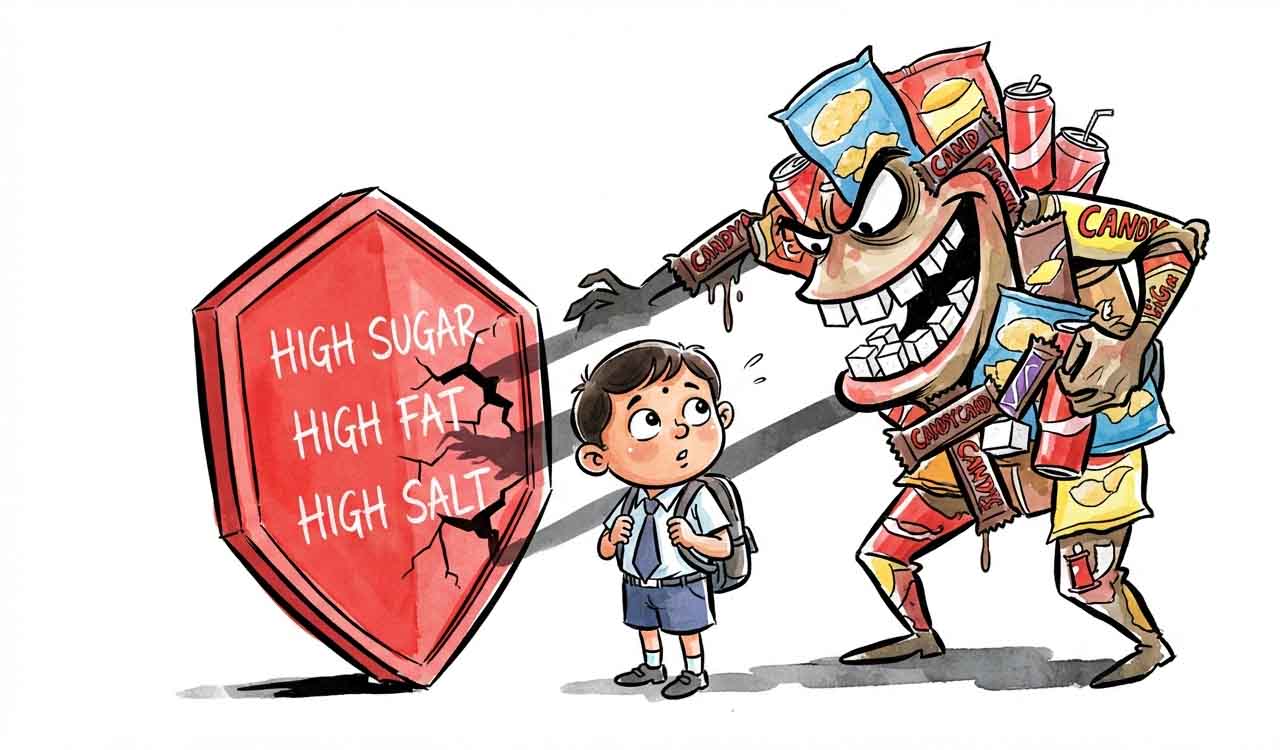


The quality of our life is largely determined by what we eat today. An alarming rise in non-communicable diseases in India, such as diabetes and cardiovascular diseases, is mainly attributed to growing consumption of highly processed foods that contain sugars and fats. Of particular concern is the growing incidence of childhood obesity and diabetes because of the easy availability of sugary snacks and soft drinks. Packaged and ultra-processed foods have become increasingly embedded in the diets of children and young adults. At present, the information consumers need most is generally buried in the nutritional table at the back of a packet. It assumes that consumers will read the small print, understand serving sizes and calculate how much sugar, sodium or saturated fat they are actually consuming. Most do not. Against this backdrop, the Food Safety and Standards Authority of India’s latest proposal for front-of-pack warning labels for packaged foods high in sugar, salt and saturated fat is a welcome step towards protecting consumers. As per the proposal submitted to the Supreme Court, prominent warning labels in a red hexagonal format, such as ‘high sugar’, ‘high salt’, ‘high fat’, and ‘highly sweetened beverage’, would be printed on packaged foods. While this is a laudable move to raise public awareness of the dangers of processed foods, the drive’s effectiveness would depend on what lies behind the red symbol. A warning is meaningful only when consumers understand it, and regulation is credible only when it covers products that genuinely pose a health risk.
The first phase of the campaign proposes applying the warning only when a product exceeds the prescribed limits for two or more nutrients. This could allow products excessively high in one harmful nutrient to escape scrutiny. The government must ensure that the second phase, covering products high in any one of these nutrients, follows within a clearly defined and short timeframe. Equally important is the need to educate consumers about what the labels mean. A red hexagon may attract attention, but it cannot by itself explain why excessive sugar, salt or saturated fat is harmful, or how often such products should be consumed. India needs a sustained nutrition-literacy campaign through schools, healthcare institutions and social media, with simple explanations in regional languages. Children, in particular, should be taught to distinguish nutritional information from persuasive marketing. The labelling regime must also guard against industry influence. Thresholds and exemptions should be determined by scientific evidence, while misleading health claims and aggressive marketing of unhealthy foods to children require stricter scrutiny. The country’s growing burden of obesity, diabetes, hypertension and cardiovascular disease makes prevention imperative. Front-of-pack warnings can help consumers make better choices and encourage manufacturers to reformulate products. The warning labels must convey the complicated nutritional information in the form of a simple visual signal at the point of purchase.
Also Read

Related News