Editorial: Weak monsoon casts a grim shadow on India
Climate variability is no longer an occasional disruption but a recurring reality, underscoring the need for resilient agricultural systems that can withstand uncertainty
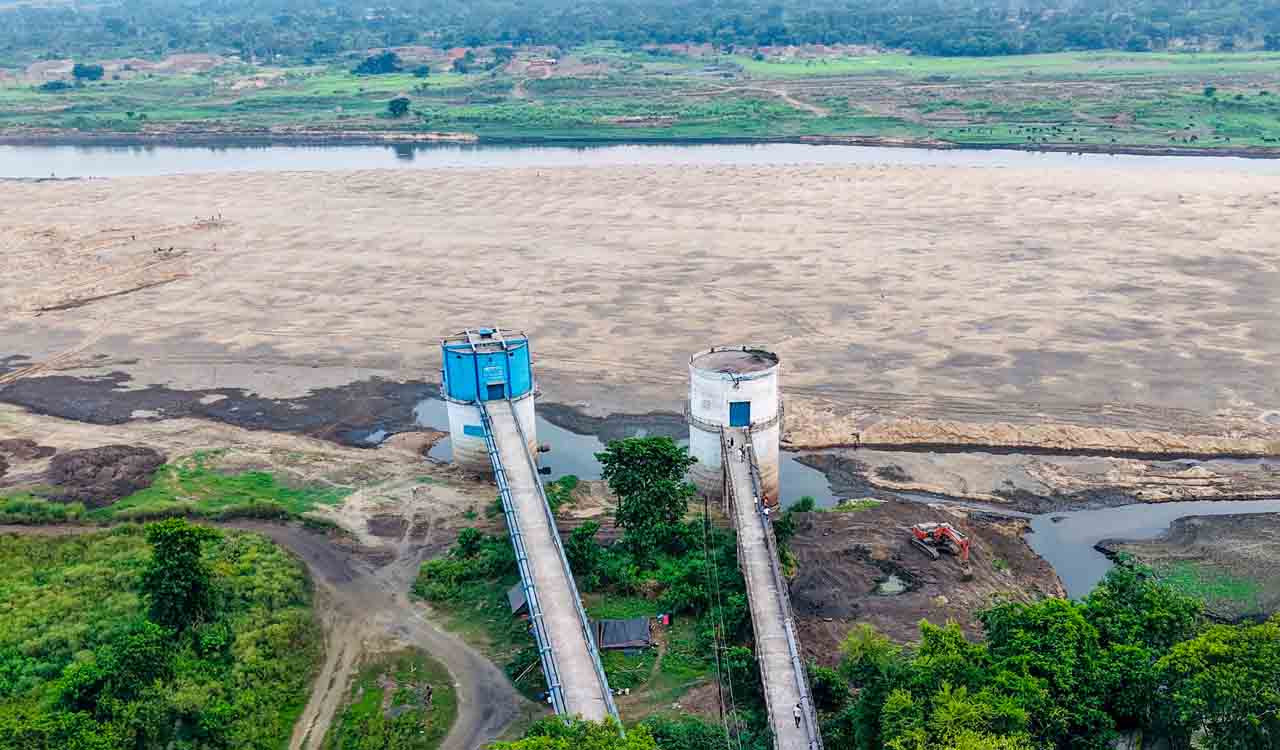


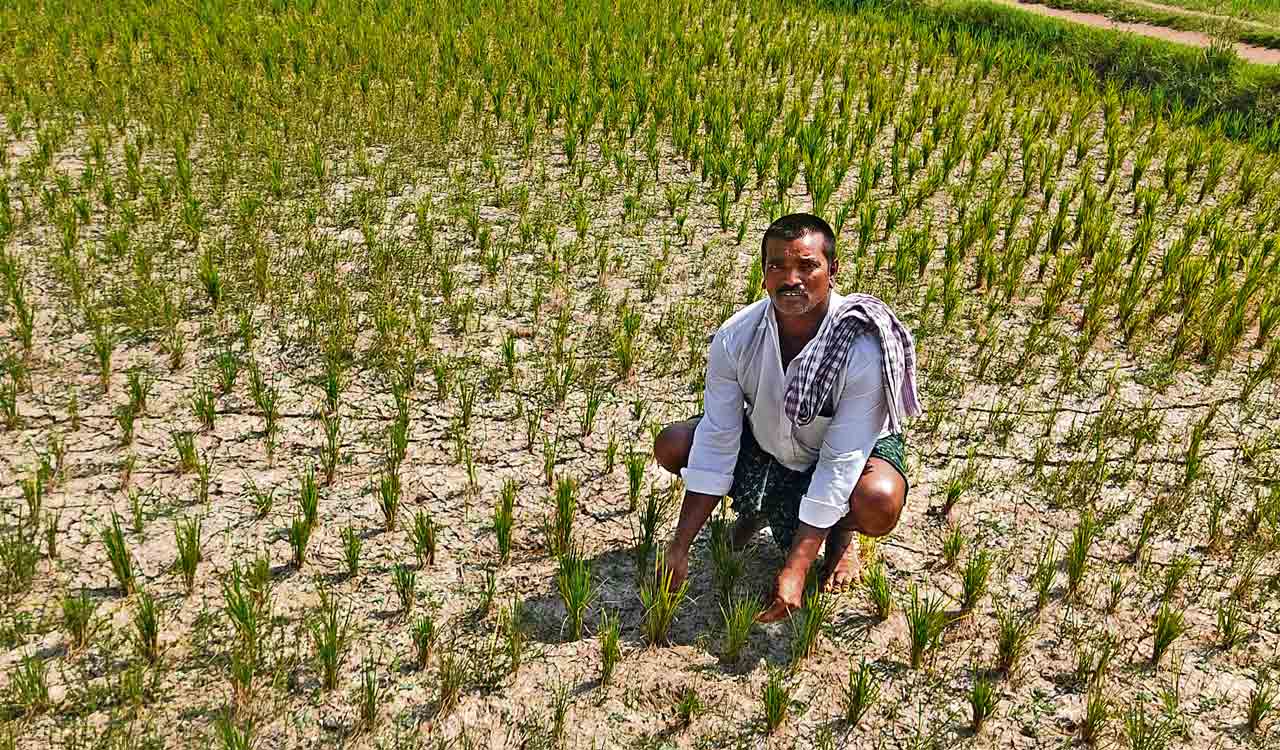
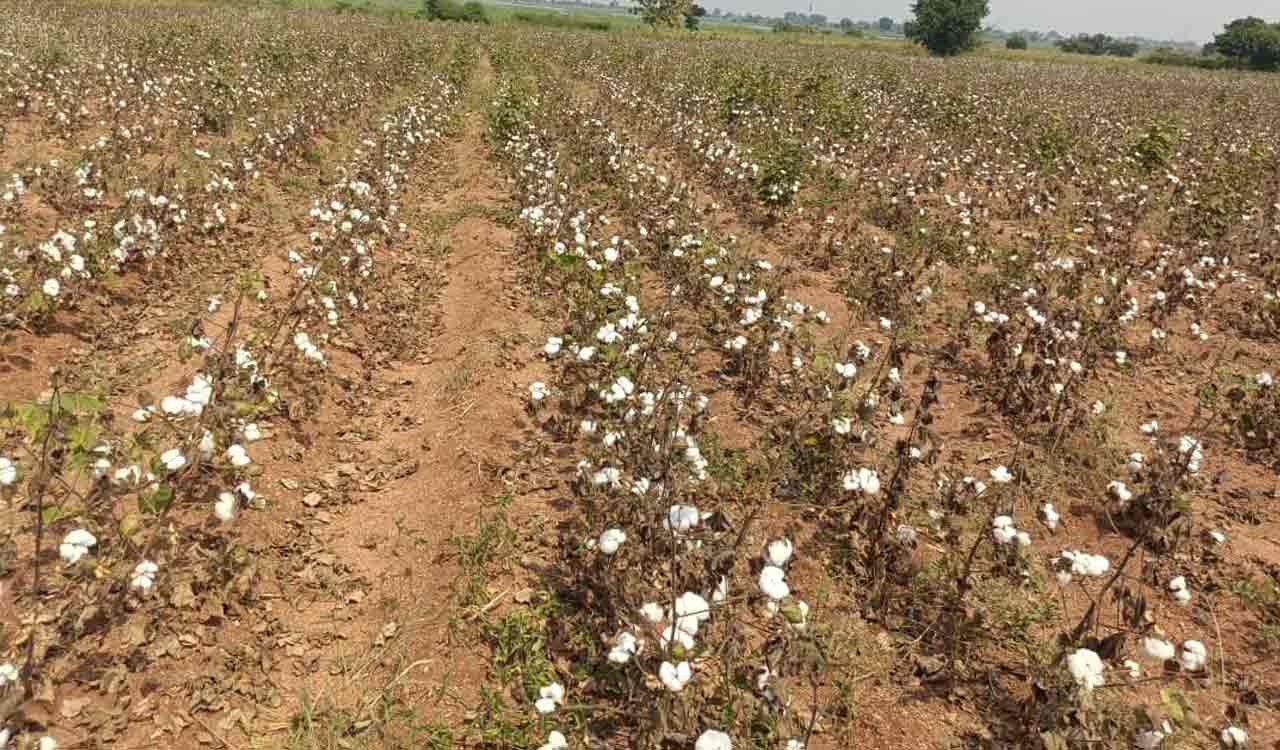
The Indian economy continues to be susceptible to the vagaries of nature. For us, the monsoon is more than just a seasonal weather phenomenon. It is the lifeline of the economy, sustaining agriculture, replenishing water reservoirs, supporting hydropower generation and influencing inflation, employment and food security. With so much at stake, it is only natural that attention is riveted on the behaviour of the monsoon every year. There are growing concerns over the impact of the below-normal monsoon rainfall predicted by the India Meteorological Department (IMD). Meteorologists are closely monitoring the emergence of El Niño, a naturally occurring climate phenomenon characterised by unusually warm sea-surface temperatures in the central and eastern equatorial Pacific Ocean. While El Niño does not automatically lead to drought, its return serves as a reminder of the vulnerabilities that continue to shape India’s economic landscape. Nearly half of India’s cultivated land remains dependent on rainfall, making the monsoon one of the most closely watched climatic events. A weak southwest monsoon has once again exposed the fragility of India’s agriculture sector, particularly in rainfed regions. Despite decades of policy emphasis on irrigation expansion and climate resilience, India’s agriculture sector remains heavily dependent on monsoon rains. A delayed or deficient monsoon directly impacts sowing activity, crop productivity, rural incomes and food inflation. If below-normal rainfall persists during the crucial July-August period, the consequences could be severe. With rainfall deficit hovering around 40% and 46%, and the meteorological department forecasting subdued monsoon activity until July 2, concerns over the kharif season are intensifying.
The Centre’s identification of 111 highly vulnerable districts across 12 States reflects the seriousness of the situation. The government has drawn up State-wise and district-level contingency plans. It is also promoting drought-resistant crops and water conservation, besides making efforts to ensure an adequate supply of seeds and fertilizers. Focus on pulses, oilseeds and coarse cereals makes sense in view of their lower water requirements. The activation of the El Niño Monitoring Cell and real-time advisories through Krishi Vigyan Kendras are welcome moves. India’s recurring monsoon anxieties underline the urgent need to reduce dependence on rainfed agriculture. Expanding micro-irrigation, rejuvenating water bodies, improving groundwater management and incentivising climate-smart farming must become long-term national priorities. Farmers, who form the backbone of the economy, must be protected from economic distress. One way to ensure this is by expanding the crop insurance coverage. India’s food security may not face immediate danger due to healthy grain stocks and reservoir buffers, yet the livelihoods of millions of farmers remain at risk. Agriculture still employs nearly half of India’s workforce and contributes around 15% to GDP. Climate variability is no longer an occasional disruption but a recurring reality. The challenge for policymakers is to build a more climate-resilient agricultural system capable of withstanding future uncertainties.
Also Read

Related News