Editorial: Women in STEM — long way to go
High female STEM enrolment contrasts with low career entry, reflecting persistent cultural and systemic barriers that push women out of India’s technology workforce



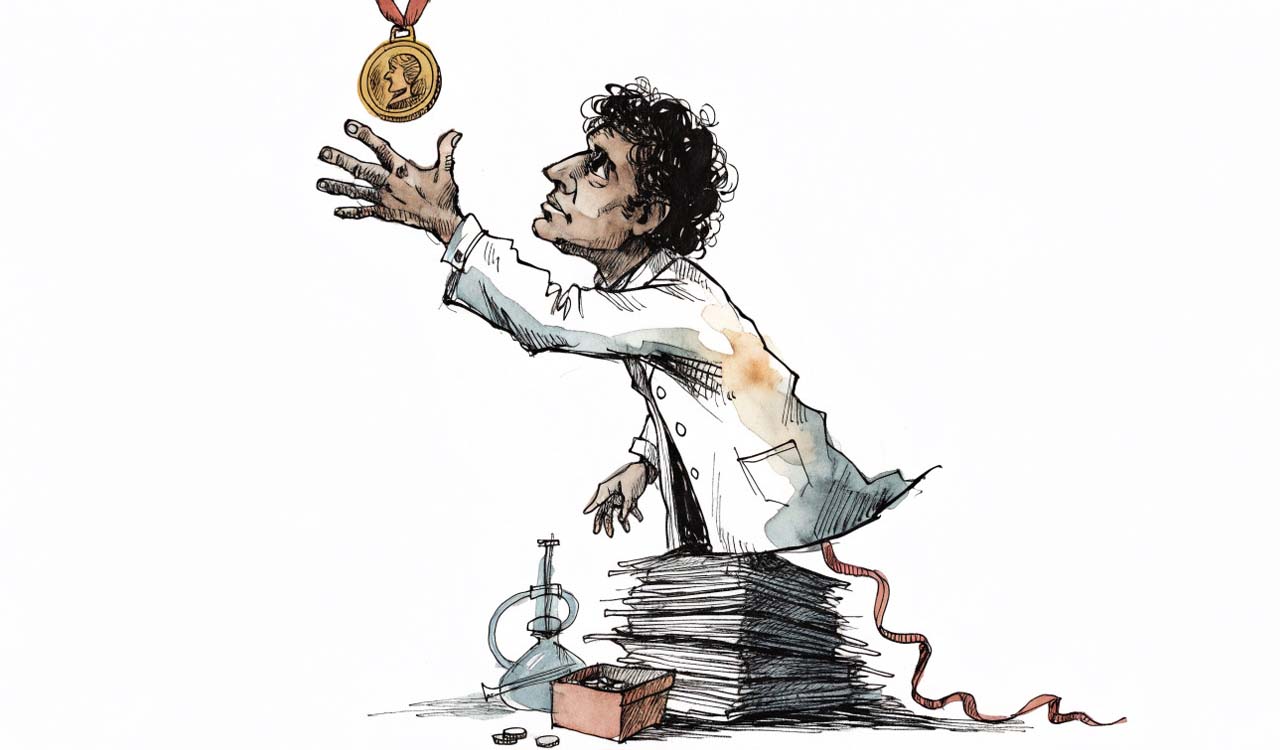
While the rise in female enrolment in STEM (science, technology, engineering, and mathematics) courses in India is a welcome development, what needs to be pondered over is why there is no corresponding growth in their participation in technology sector jobs. This paradoxical situation reflects a broader trend where women face cultural and systemic obstacles in converting education into long-term careers. Workplace cultures that do not promote flexible schedules, maternity, and childcare support play a spoilsport. The unspoken biases in promotion also lead to more and more women exiting the STEM professions. Regional disparities, caste dynamics, and socio-economic factors further complicate the challenges they face. Women account for about 43% of the STEM enrolments, well above the global average. This is largely due to policy interventions, awareness programmes, and educational reforms. STEM degrees are increasingly seen by families as pathways to economic security and social mobility for daughters. The growing presence of women at the postgraduate and doctoral levels further signals that academic barriers are slowly eroding. However, a study has found that only 27% of these women enter STEM careers. The transition from education to employment remains a leaky pipeline. Women are still underrepresented in core engineering roles, research leadership, and technology decision-making. Career interruptions due to caregiving responsibilities, unsafe or inflexible workplaces, and persistent gender bias push many qualified women out of the STEM workforce. The result is a mismatch between educational success and economic participation.
The underrepresentation of women is even more pronounced in cutting-edge disciplines such as artificial intelligence, cloud computing, and engineering, where female participation drops in the range of 12% to 26%. These disparities raise critical questions about the structural and cultural barriers that exclude women from the fields that shape our future. The irony is that girls often perform as well as boys in mathematics and science during early schooling, but their confidence in these subjects erodes over time. A study by UNESCO showed that the decline in self-assurance, rather than aptitude, is a decisive factor in deterring girls from pursuing STEM careers. Women are more concentrated in life sciences and medicine, while fields such as mechanical engineering, core technology, and advanced manufacturing remain male-dominated. Regional disparities further complicate the picture, with some States lagging far behind in encouraging girls to pursue science beyond school. Flexible work policies, re-entry programmes after career breaks, safe campuses and workplaces, mentorship, and transparent promotion pathways are needed to encourage more women to take to STEM careers. Without these, high enrolment risks become a statistical comfort rather than a transformative force. India has shown it can open the classroom door. The real test now is whether it can keep that door open all the way to the laboratories and boardrooms. Experts say the time for incremental change has passed, and what is needed now is a broad set of structural reforms.
Also Read

Related News