Erstwhile BRS regime paved the way for Skyroot’s success
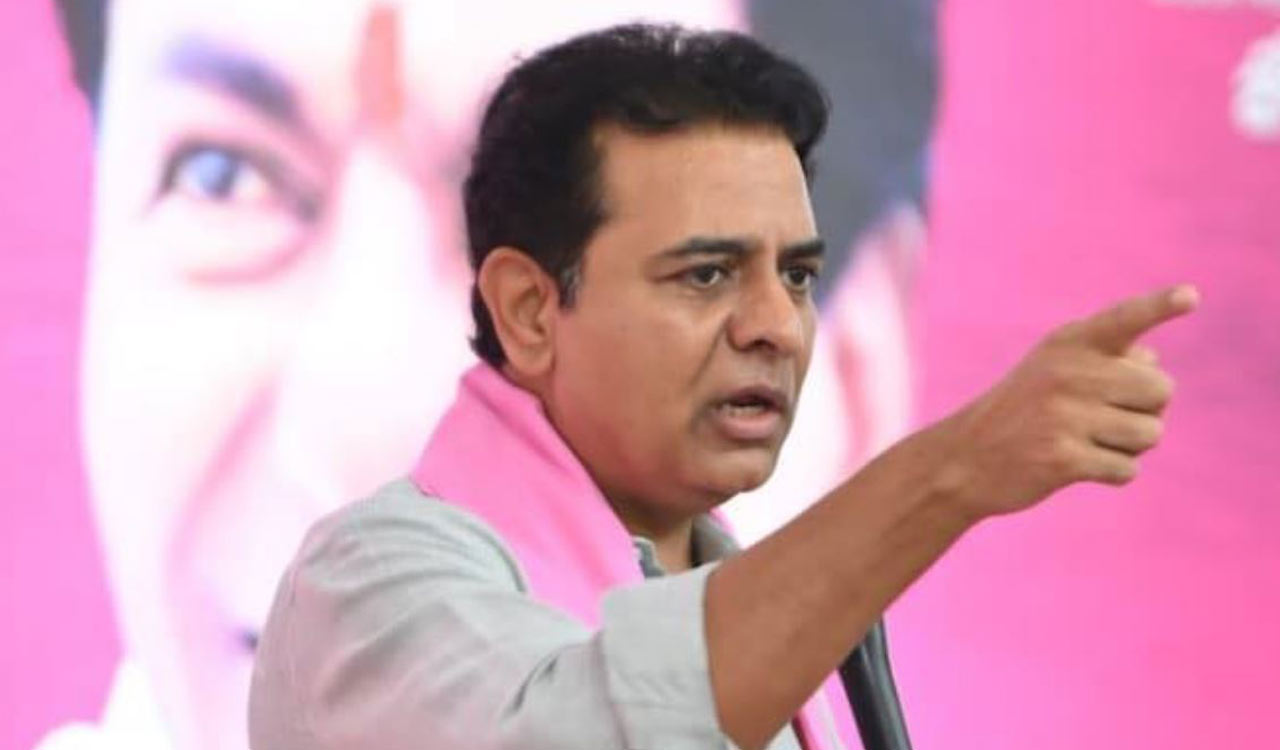
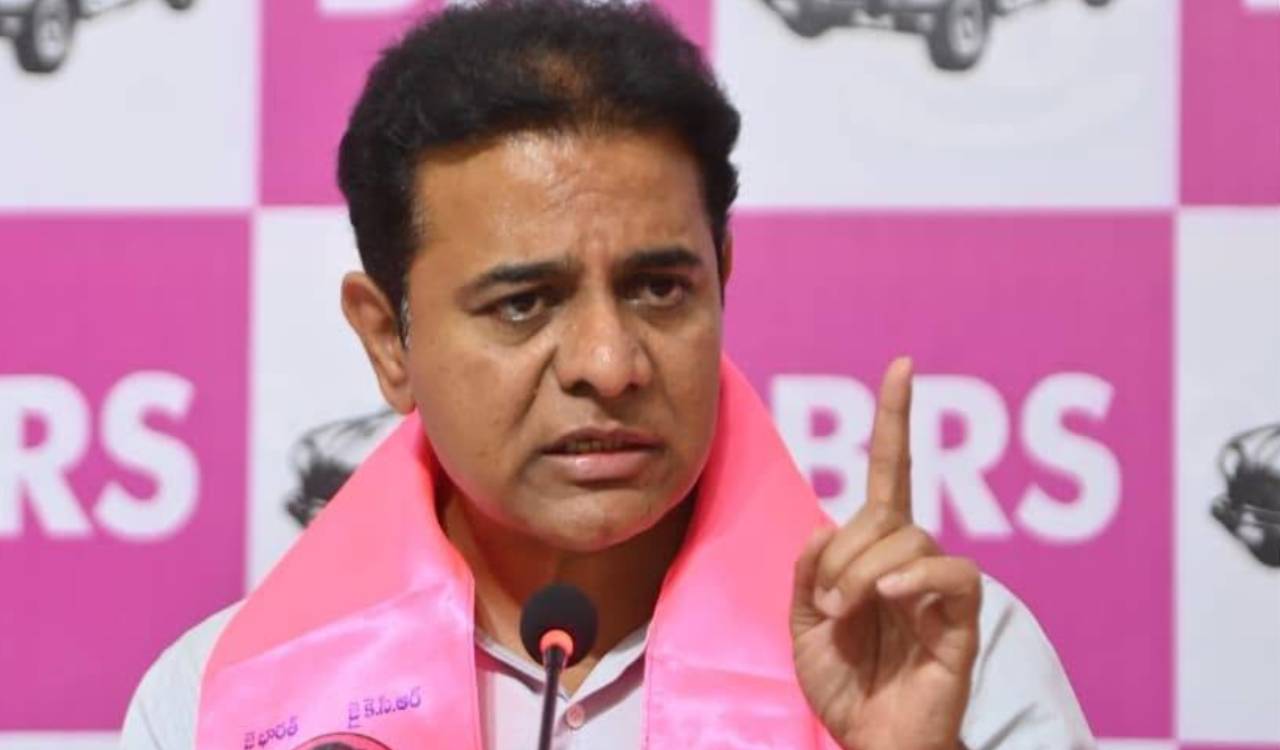
The milestone scripted by Skyroot Aerospace has proved the validity of the start-up policy of the erstwhile BRS Government and the efficacy of organisations such as T-Hub and T-Works launched by the former IT Minister and current BRS working president K T Rama Rao
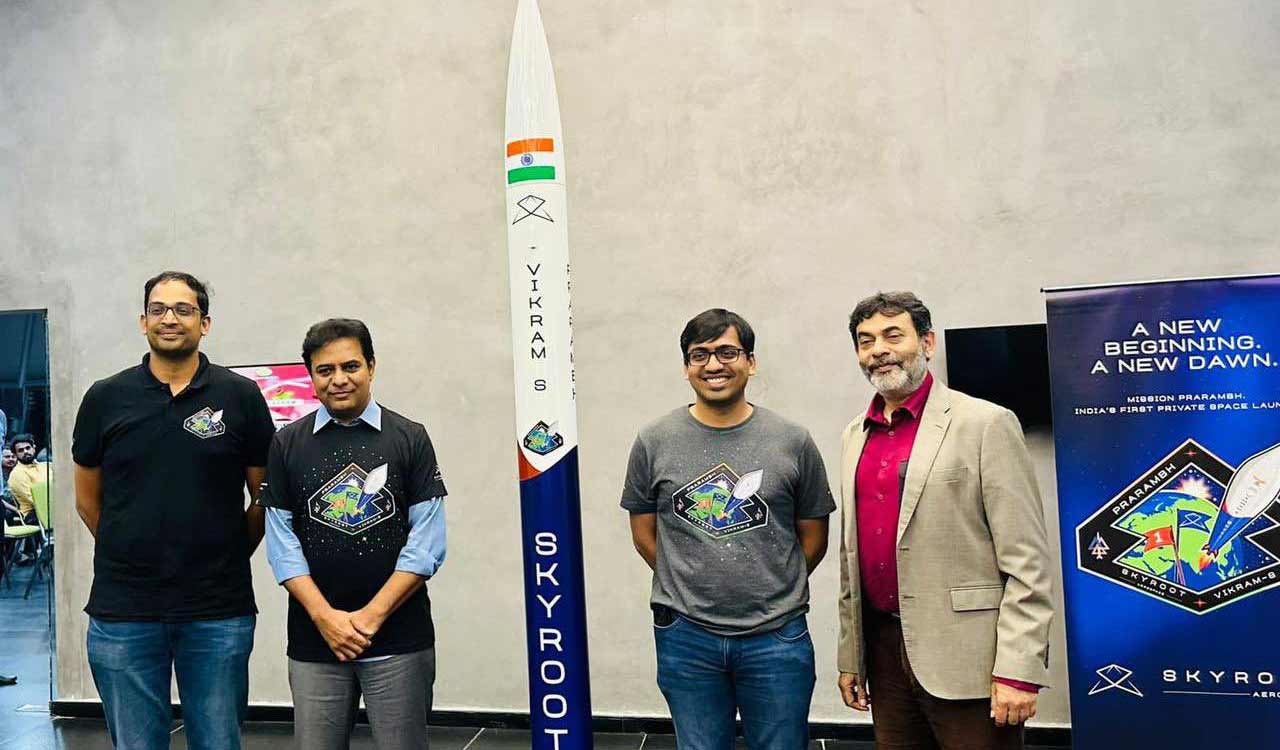


Hyderabad: From a startup incubated at T-Hub, Hyderabad-based Skyroot Aerospace on Saturday scripted history after it successfully launched Vikram-1, India’s first privately developed orbital-class rocket. The success of the mission has also proved the validity of the startup policy drafted by the erstwhile BRS government and the efficacy of organisations like T-Hub and T-Works, started with passion by the former minister and current BRS working president K T Rama Rao.
The milestone achieved by Skyroot Aerospace showed the success of T-Hub, the brainchild of K T Rama Rao, as within a short span of time, Skyroot Aerospace proved what the intelligentsia of the country can achieve if provided with the right encouragement and the right ecosystem.
It was indeed a proud moment for Rama Rao, who rejoiced at the success of the mission. Congratulating Skyroot Aerospace on its achievement, the BRS working president said in a post on X: “History made! A proud milestone for India’s space sector. Skyroot Aerospace has successfully launched Vikram-1, India’s first privately developed orbital-class rocket.”
“It is truly heartening to see Hyderabad-based Skyroot, incubated at T-Hub, achieve this landmark feat and reach new heights,” Rama Rao pointed out.
In addition to T-Hub, T-Works also played a crucial role in the success of Skyroot. Both these organisations were established by the BRS government to support and encourage startups in their endeavours. T-Works, which is India’s largest prototyping centre, supported the company in its early days while designing and building components for its maiden space missions.
Vikram-1 is a seven-storey-tall, multi-stage orbital launch vehicle built with an all-carbon composite structure and powered by in-house-developed propulsion systems, including 3D-printed engines and high-thrust solid-fuel rocket boosters. Designed to carry small satellites weighing up to 350 kg to Low Earth Orbit (LEO), Vikram-1’s maiden mission lifted off from Sriharikota on Saturday.
“Orbit achieved. Vikram-1 Test Flight-1 has reached orbit. India’s first privately developed orbital rocket has completed its final burn and injected its payloads into a 450 km orbit, making India the third country in the world with private orbital launch capability. History is made,” Skyroot Aerospace said on X after the launch.
Pawan Kumar Chandana is Co-founder and CEO of Skyroot Aerospace, while Naga Bharath Daka is Co-founder and COO of Skyroot Aerospace. Both are former ISRO engineers.
Mission Aagaman, meaning “the arrival”, marks Skyroot’s second mission following the successful suborbital flight of Vikram-S, the first private rocket to reach space from Indian soil, on November 18, 2022. The mission will gather critical data on propulsion, stage separation, guidance, navigation, control and overall vehicle performance.

Related News