Food prices rising across World as countries limit exports; blame on climate change, El Nino and Russia’s war
India banned shipments of some rice earlier this year, resulting in a shortfall of roughly a fifth of global exports
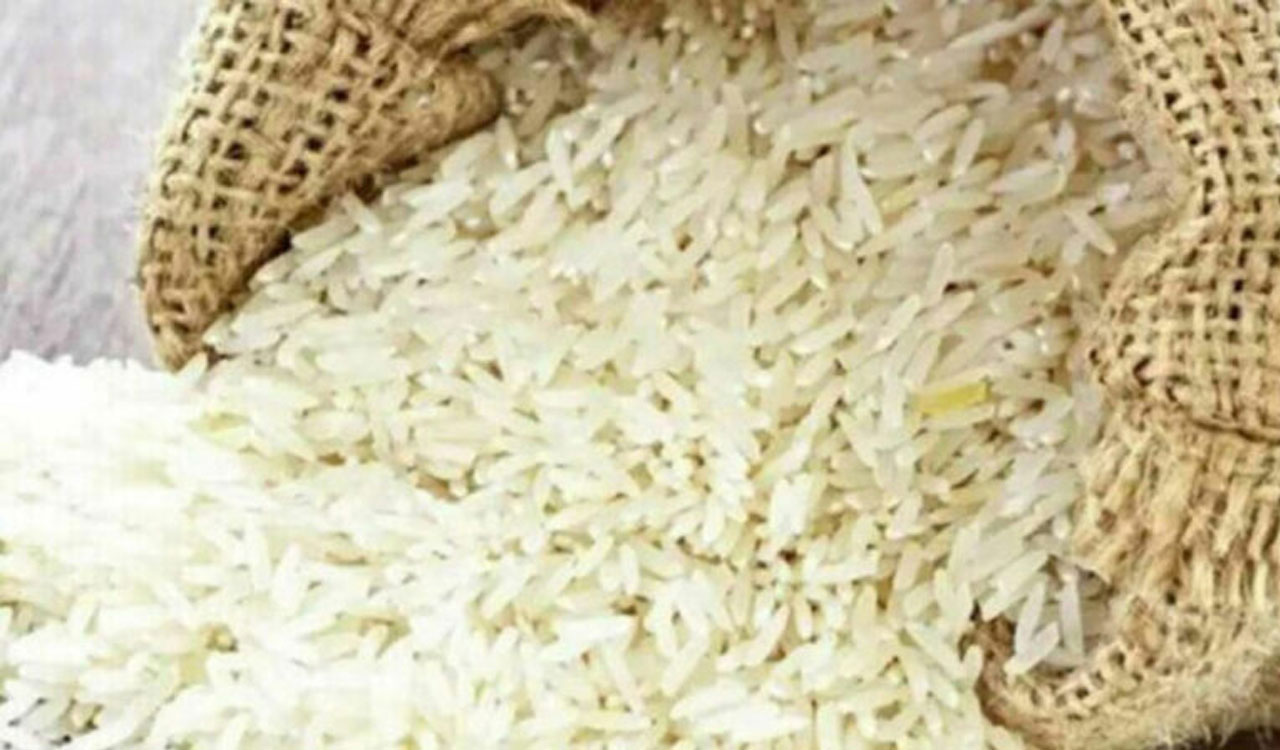


Hanoi: How do you cook a meal when a staple ingredient is unaffordable? This question is playing out in households around the world as they face shortages of essential foods like rice, cooking oil and onions. That is because countries have imposed restrictions on the food they export to protect their own supplies from the combined effect of the war in Ukraine, El Nino’s threat to food production and increasing damage from climate change.
For Caroline Kyalo, a 28-year-old who works in a salon in Kenya’s capital of Nairobi, it was a question of trying to figure out how to cook for her two children without onions. Restrictions on the export of the vegetable by neighbouring Tanzania has led prices to triple.
Kyalo initially tried to use spring onions instead, but those also got too expensive. As did the prices of other necessities, like cooking oil and corn flour.
“I just decided to be cooking once a day,” she said.
Despite the East African country’s fertile lands and large workforce, the high cost of growing and transporting produce and the worst drought in decades led to a drop in local production. Plus, people preferred red onions from Tanzania because they were cheaper and lasted longer. By 2014, Kenya was getting half of its onions from its neighbour, according to a UN Food Agriculture Organisation report.
At Nairobi’s major food market, Wakulima, the prices for onions from Tanzania were the highest in seven years, seller Timothy Kinyua said.
Some traders have adjusted by getting produce from Ethiopia, and others have switched to selling other vegetables, but Kinyua is sticking to onions.
“It’s something we can’t cook without,” he said.
Tanzania’s onion limits this year are part of the “contagion” of food restrictions from countries spooked by supply shortages and increased demand for their produce, said Joseph Glauber, senior research fellow at the International Food Policy Research Institute.
Globally, 41 food export restrictions from 19 countries are in effect, ranging from outright bans to taxes, according to the institute.
India banned shipments of some rice earlier this year, resulting in a shortfall of roughly a fifth of global exports. Neighbouring Myanmar, the world’s fifth-biggest rice supplier, responded by stopping some exports of the grain.
India also restricted shipments of onions after erratic rainfall — fuelled by climate change — damaged crops. This sent prices in neighbouring Bangladesh soaring, and authorities are scrambling to find new sources for the vegetable.
Elsewhere, a drought in Spain took its toll on olive oil production. As European buyers turned to Turkey, olive oil prices soared in the Mediterranean country, prompting authorities there to restrict exports. Morocco, also coping with a drought ahead of its recent deadly earthquake, stopped exporting onions, potatoes and tomatoes in February.
This isn’t the first time food prices have been in a tumult. Prices for staples like rice and wheat more than doubled in 2007-2008, but the world had ample food stocks it could draw on and was able to replenish those in subsequent years.
But that cushion has shrunk in the past two years, and climate change means food supplies could very quickly run short of demand and spike prices, said Glauber, former chief economist at the US Department of Agriculture.
“I think increased volatility is certainly the new normal,” he said.
Food prices worldwide, experts say, will be determined by the interplay of three factors: how El Nino plays out and how long it lasts, whether bad weather damages crops and prompts more export restrictions, and the future of Russia’s war in Ukraine.
The warring nations are both major global suppliers of wheat, barley, sunflower oil and other food, especially to developing nations where food prices have risen and people are going hungry.
An El Nino is a natural phenomenon that shifts global weather patterns and can result in extreme weather, ranging from drought to flooding. While scientists believe climate change is making this El Nino stronger, its exact impact on food production is impossible to glean until after it’s occurred.
The early signs are worrying.
India experienced its driest August in a century, and Thailand is facing a drought that has sparked fears about the world’s sugar supplies. The two are the largest exporters of sugar after Brazil.
Less rainfall in India also dashed food exporters’ hopes that the new rice harvest in October would end the trade restrictions and stabilise prices.
“It doesn’t look like (rice) prices will be coming down anytime soon,” said Aman Julka, director of Wesderby India Private Limited.
Most at risk are nations that rely heavily on food imports. The Philippines, for instance, imports 14% of its food, according to the World Bank, and storm damage to crops could mean further shortfalls. Rice prices surged 8.7% in August from a year earlier, more than doubling from 4.2% in July.
Food store owners in the capital of Manila are losing money, with prices increasing rapidly since Sept 1 and customers who used to snap up supplies in bulk buying smaller quantities.
“We cannot save money anymore. It is like we just work so that we can have food daily,” said Charina Em, 32, who owns a store in the Trabajo market.
Cynthia Esguerra, 66, has had to choose between food or medicine for her high cholesterol, gallstones and urinary issues. Even then, she can only buy half a kilo of rice at a time — insufficient for her and her husband.
“I just don’t worry about my sickness. I leave it up to God. I don’t buy medicines anymore, I just put it there to buy food, our loans,” she said.
The climate risks aren’t limited to rice but apply to anything that needs stable rainfall to thrive, including livestock, said Elyssa Kaur Ludher, a food security researcher at the ISEAS-Yusof Ishak Institute in Singapore. Vegetables, fruit trees and chickens will all face heat stress, raising the risk that food will spoil, she said.
This constricts food supplies further, and if grain exports from Ukraine aren’t resolved, there will be additional shortages in feed for livestock and fertilizer, Ludher said.
Russia’s July withdrawal from a wartime agreement that ensured ships could safely transport Ukrainian grain through the Black Sea was a blow to global food security, largely leaving only expensive and divisive routes through Europe for the war-torn country’s exports.
The conflict also has hurt Ukraine’s agricultural production, with analysts saying farmers aren’t planting nearly as much corn and wheat.
“This will affect those who already feel food affordability stresses,” Ludher said.

Related News