Good news: Cutting salt for health won’t cause iodine deficiency problems, major Indian study
A study by the Centre for Chronic Disease Control (CCDC) finds that reducing salt intake to WHO-recommended levels (under 5g/day) is safe for Indians and will not cause iodine deficiency. The research supports public health efforts to cut sodium consumption, helping prevent hypertension and cardiovascular diseases while maintaining adequate iodine intake
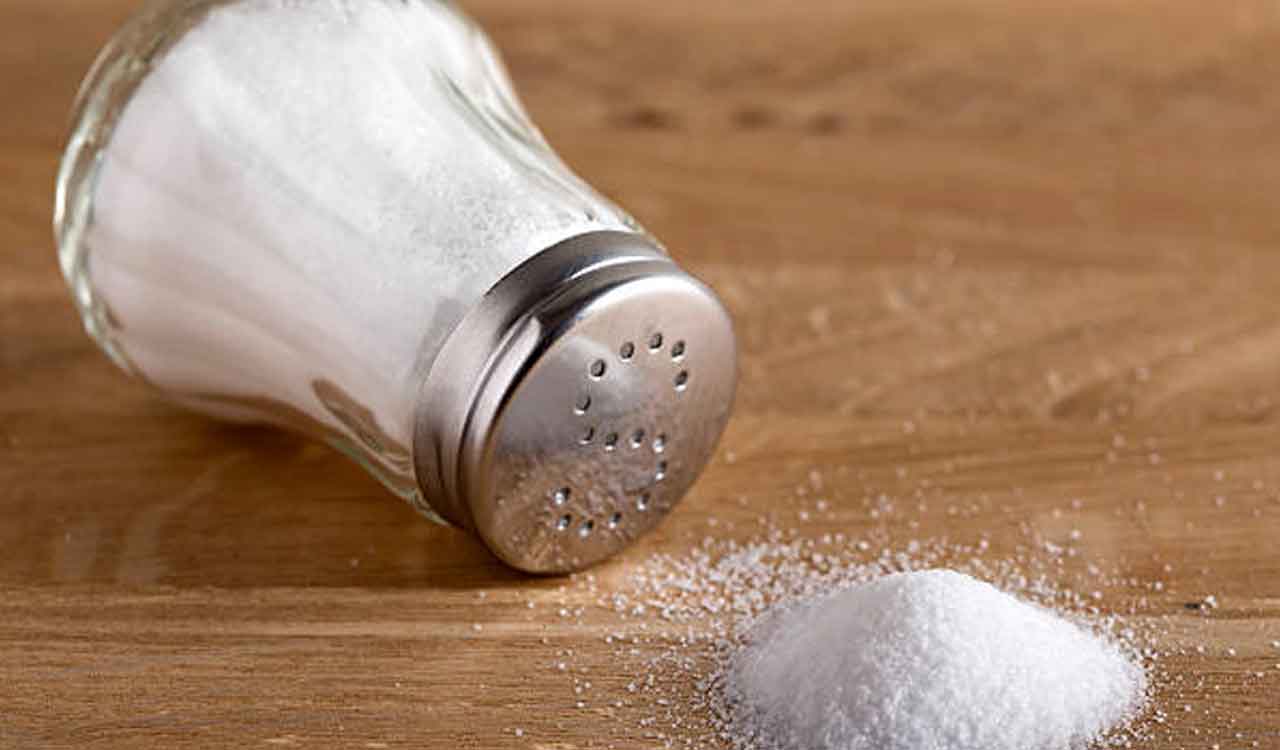


Hyderabad: Cutting down on salt consumption, as recommended by experts globally, is safe and will not cause iodine deficiency, a groundbreaking study by New-Delhi-based Centre for Chronic Disease Control (CCDC), has indicated.
The CCDC study delivered evidence to support public health efforts across all the States to reduce the intake of salts, up to the World Health Organization (WHO) recommended levels, which will not compromise adequate iodine consumption.
These findings, which also estimated daily salt and iodine intake in adult Indians using 24-hour urine samples, should go a long way in allaying fears over iodine deficiency, if salt intake is reduced.
At present, India’s universal salt iodization (USI) program is mandatory to prevent hypothyroidism and goitre. The CCDC study, led by Prof. (Dr.) Dorairaj Prabhakaran, demonstrated that the median iodine intake remained adequate even when participants’ salt intake was at the WHO-recommended less than 5 grams per day. The current average salt intake among people in India, however, is around 8 grams per day.
“The fear that lowering sodium intake will reduce iodine intake is misplaced,” Dr. Prabhakaran said.
This is a crucial insight, as more than 300 million Indians live with hypertension, a major risk factor for cardiovascular diseases (CVDs). High sodium intake causes the body to retain fluid, which increases blood volume and raises pressure on artery walls.
The CCDC’s study supports public health efforts in the country to reduce salt intake by at least 30 percent by 2025 to tackle the rapidly increasing burden of NCDs. The study concludes that the two interventions, including salt reduction and iodine supplementation, are compatible and should be continuously monitored.
The cross-sectional study by CCDC involved participants from urban, urban slum, and rural areas in Delhi and Haryana, measured daily consumption using 24-hour urinary sodium excretion. Researchers determined that reducing salt intake to the recommended level of 5 grams per day is unlikely to impact iodine levels.

Related News
-

WHO classifies three widely used medicines, including a common BP drug, as Group 1 carcinogens
-
Low-sodium salt substitutes emerge as healthier alternative amid rising hypertension concerns
-
Why your 10,000 steps and no sugar in tea might not be saving you
-
Hyderabad battles obesity, while Warangal witnesses a surge in hypertension