History of our modern calendar
Hyderabad: For something that’s meant to lend order to our lives, the modern Western calendar has a messy history. The mess, in part, comes about because of the difficulty of coordinating the orbits of celestial bodies with the cycles of day and night, and the passage of the seasons. Gregorian calendar, also called the New […]
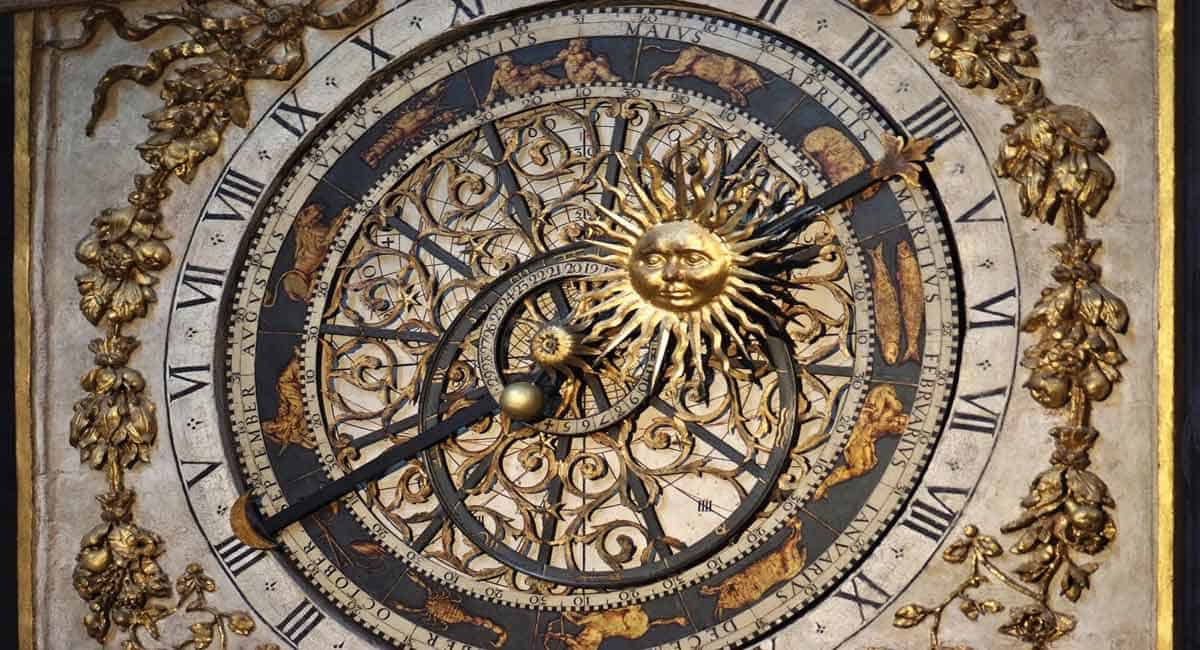


Hyderabad: For something that’s meant to lend order to our lives, the modern Western calendar has a messy history. The mess, in part, comes about because of the difficulty of coordinating the orbits of celestial bodies with the cycles of day and night, and the passage of the seasons. Gregorian calendar, also called the New Style calendar, uses a solar dating system, which is now in general use. It was proclaimed in 1582 by Pope Gregory XIII as a reform of the Julian calendar.
Coordinating months and seasons
The year measured by the Earth’s orbit around the Sun is roughly an unruly 365.2422 days. The Moon is likewise not a fan of whole numbers. In the space of a year, there are around 12.3683 lunar months. Societies have traditionally tried to make sure that the same seasons lined up with the same months.
Ancient calendars from Mesopotamia, for example, coordinated months and seasons by adding extra months now and then, a process called intercalation.
In some lunar systems, though, the months can wander through the seasons – this is the case for the Islamic Hijri calendar.
Julian calendar
The solar calendar of ancient Rome gives rise to our modern Western calendar. The Julian calendar, named after Julius Caesar’s reforms of 46/45 BCE, approximated the solar year to 365.25 days and inserted an extra day every four years. That left a rather annoying 11 and a bit minutes unaccounted for.
The Julian calendar also left us a legacy of months in strange positions. Our eleventh month, November derives from the Latin for the number nine, a result of moving the start of the year from March to January.
New months and names were juggled and rejigged to match the mechanisms of power. August, for example, is named after Emperor Augustus.
Christian timekeeping
The start of the year varied widely across medieval societies. Sometimes it was March 25, the day commemorating the appearance of the angel Gabriel to Mary. Other times it was December 25, the day agreed as Jesus’ birthday. Sometimes, it was the moveable date of Easter.
The date of Easter Sunday was timed to follow the Northern Spring equinox. But as that equinox began to slip back in time, a distinction started to emerge between a “legal” Easter – that decreed by the calendar – and a “natural” equinox, the equinox that could be observed.
Reforming the calendar
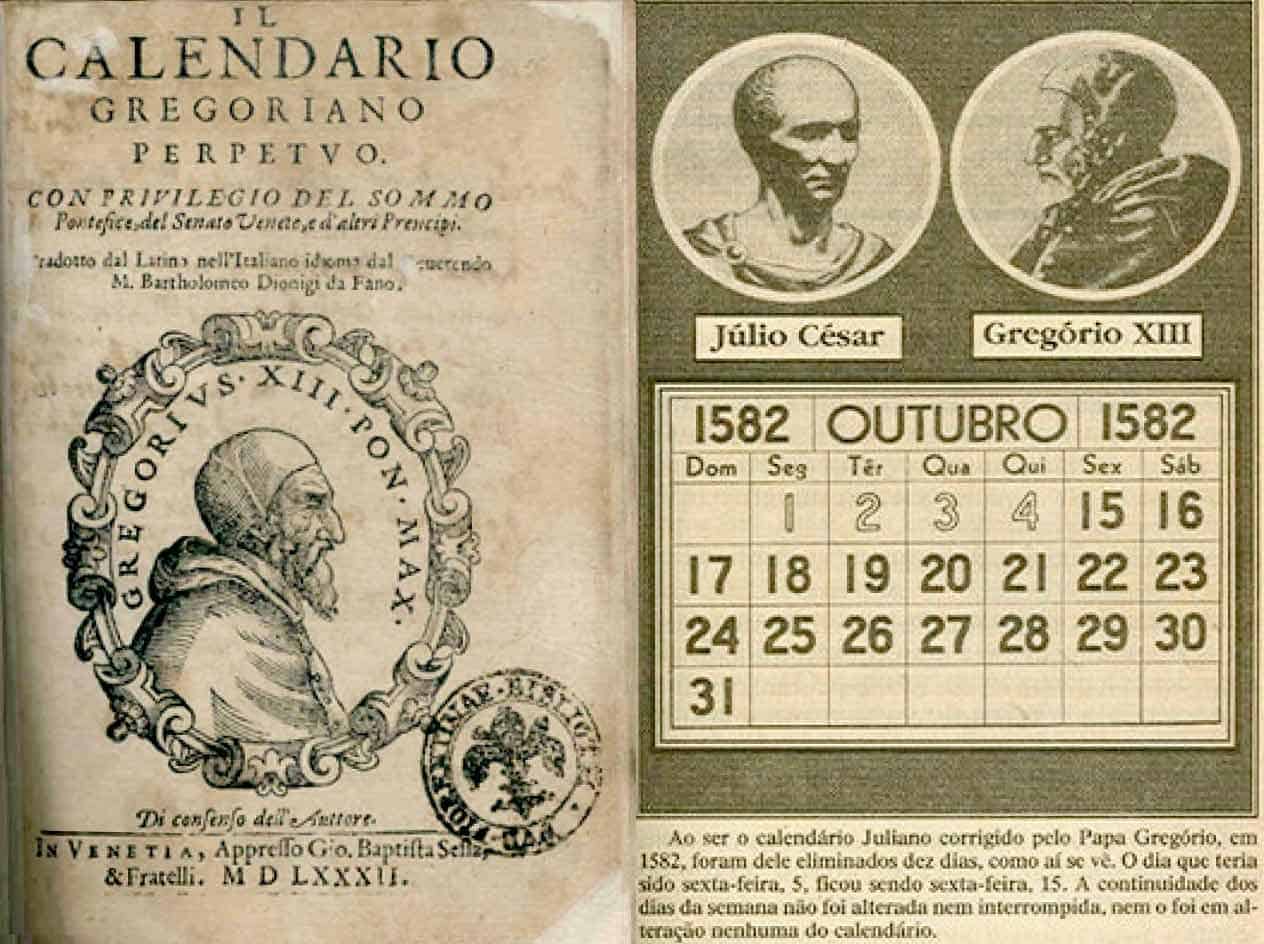
As the gap widened, scientists fought it out over proposals to reform the calendar. Pope Gregory XIII reformed the calendar in 1582.
This new calendar, the Gregorian calendar, jumped from October 4, 1582, to October 15, 1582. It also made a better approximation of the natural length of the year by manipulating leap years over a 400-year cycle.
The 1582 reform landed in a world rent by religious divisions, some old, some new. Protestant England did not adopt the changes till the 18th century. Many Orthodox Christian communities continued to follow the Julian calendar.
Now you can get handpicked stories from Telangana Today on Telegram everyday. Click the link to subscribe.
Click to follow Telangana Today Facebook page and Twitter .

Related News