Hyderabad metro near heritage zones: Telangana HC seeks metro alignment in audiovisual form from govt
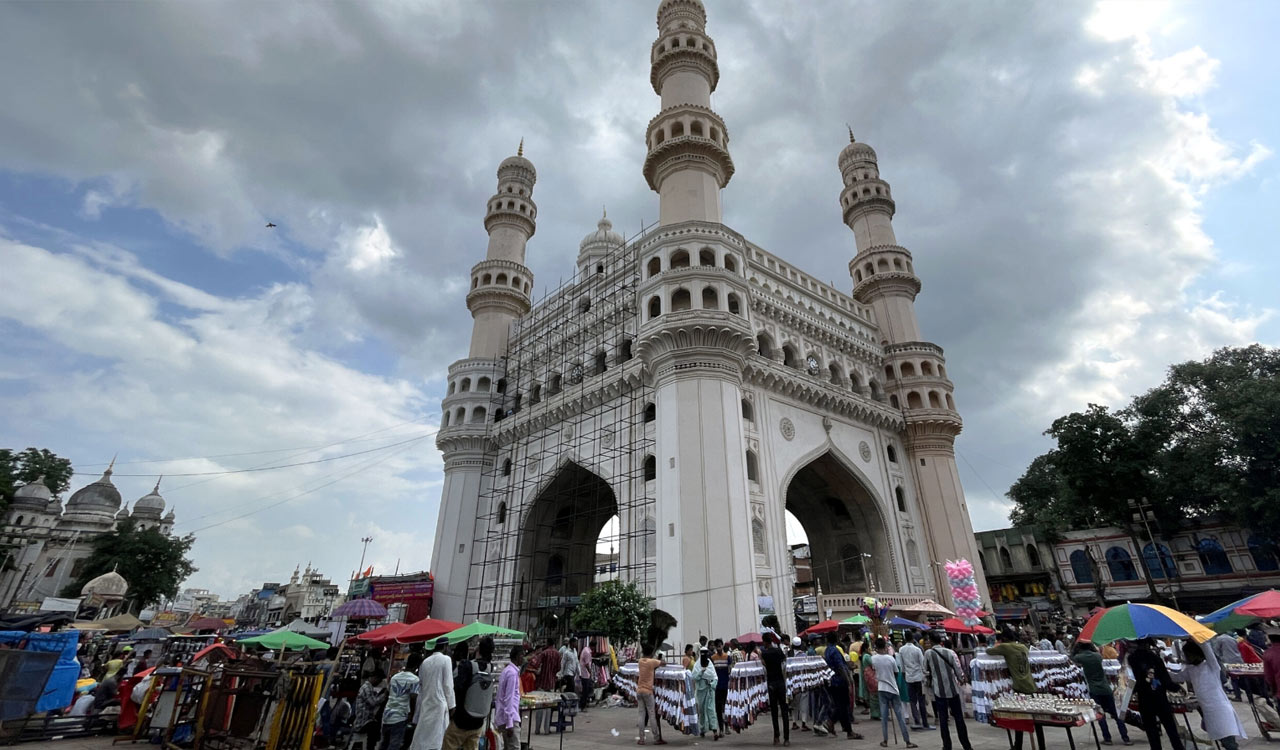
The Telangana High Court has directed the State Government to prepare an audiovisual presentation on the alignment of Corridor-VI of the Hyderabad Metro Rail Phase-II project. The directive came during hearings on petitions challenging metro construction in Charminar and Falaknuma heritage zones.


By Legal Correspondent
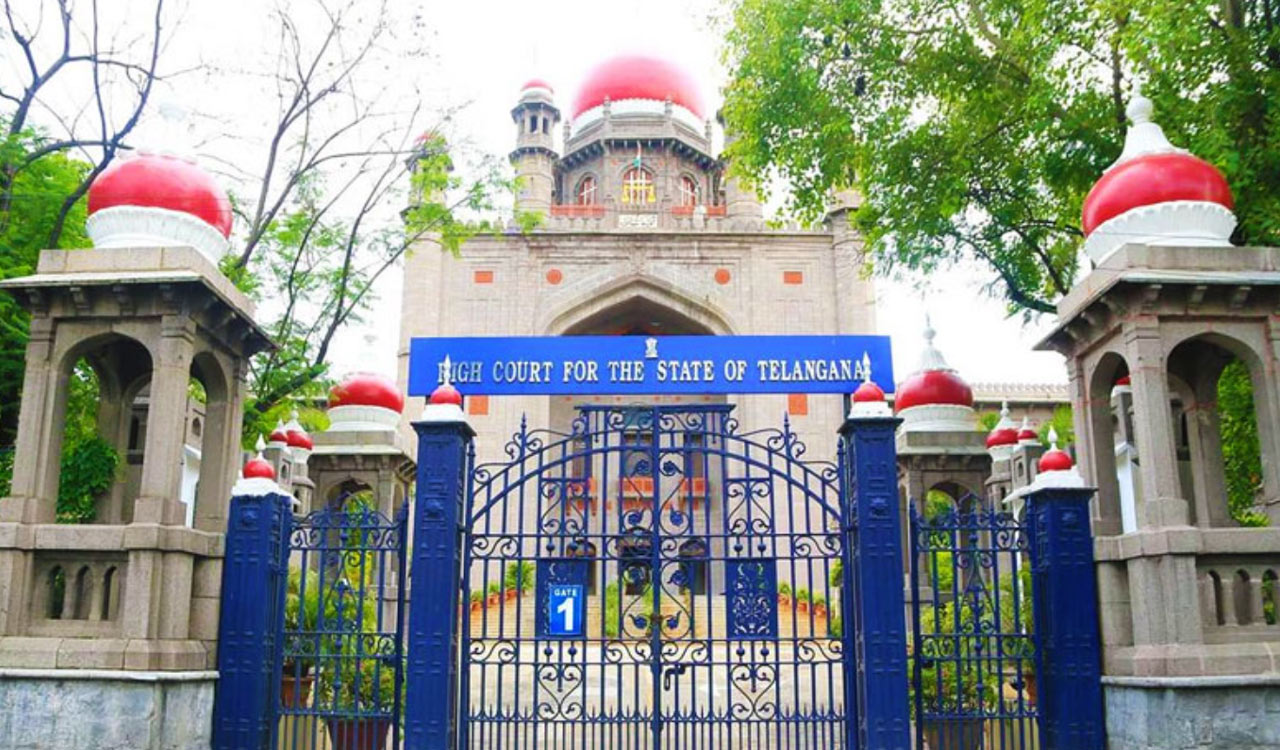
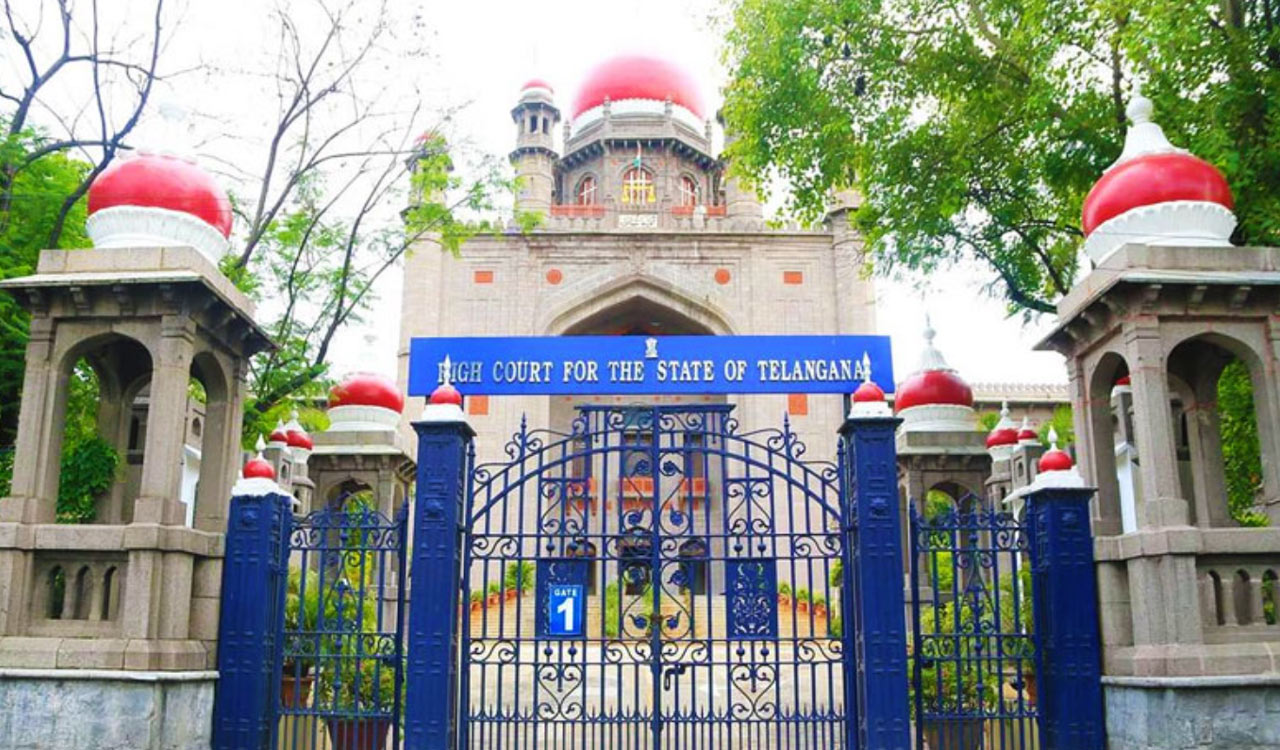
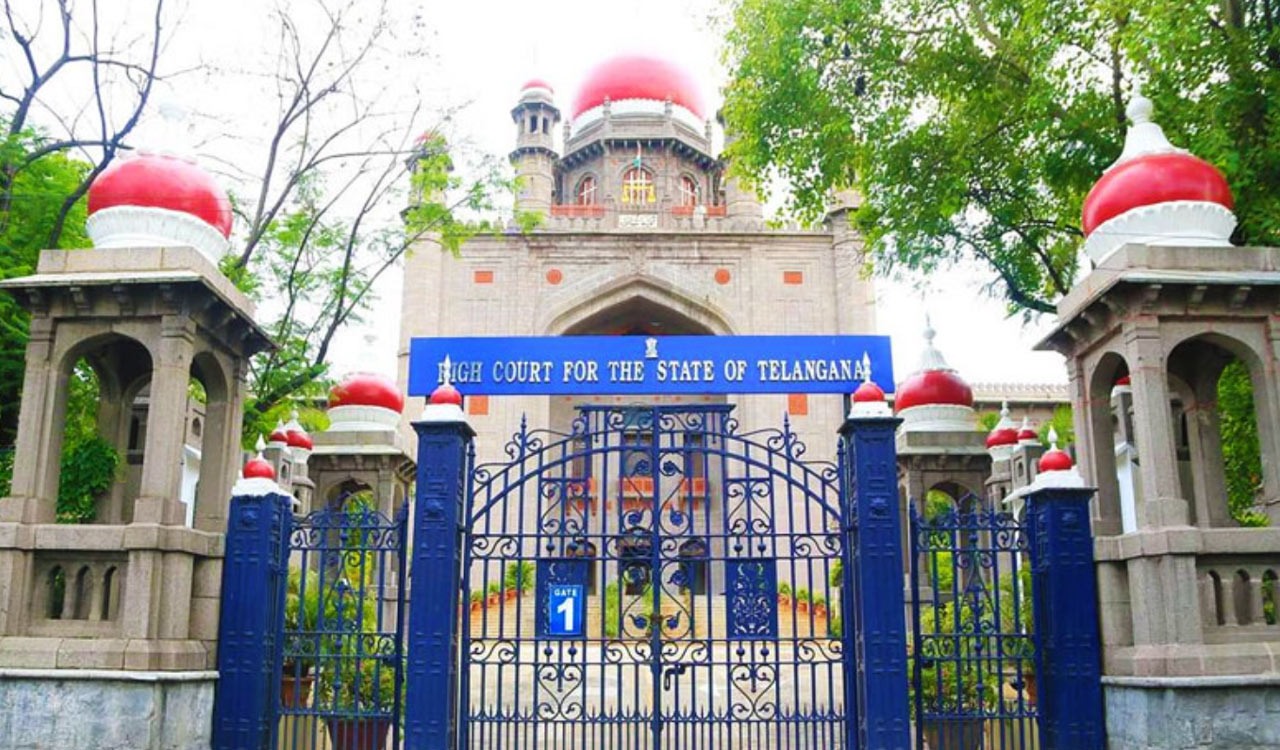
Hyderabad: Chief Justice Aparesh Kumar Singh and Justice GM Mohiuddin of the Telangana High Court on Thursday asked the State Government to prepare an audiovisual presentation explaining the exact alignment of the proposed Corridor-VI of the Hyderabad Metro Rail Phase-II project.
The Bench felt that repeated oral submissions from both sides were not helping the court gain clarity, prompting the direction to use visual aids. The Court was hearing a public interest litigation, along with a connected writ petition, which challenges Hyderabad Metro construction within the Charminar and Falaknuma heritage zones.
The petitioners have sought that all work in these precincts be put on hold until a heritage impact assessment is completed by an independent committee and statutory approvals are secured under the Telangana Heritage Act, 2017, and the AMASR Act, 1958.
Advocate Immaneni Rama Rao, representing Act Public Welfare Foundation, argued that under G.O. Ms. No. 4 dated January 2, 2003, no excavation, demolition, or construction is permissible in Charminar precinct-10 and Falaknuma precinct-12. He relied on an RTI response to contend that the Government had not secured permissions for the activities proposed under the metro project.
Additional Advocate-General Mohammed Imran Khan, appearing for the State, placed eight design sketches before the Bench. He asserted that allegations against the Government were baseless and insisted that no protected structures had been touched. He maintained that the proposed alignment either runs over or alongside existing structures, with only a window and a compound wall potentially affected. He assured the court that any necessary approvals would be obtained before work progresses.
On the RTI issue, the Government argued that heritage permissions are not triggered because the route is located between 700 metres and one kilometre from the Charminar, and therefore lies outside the 500-metre restricted zone. When the Bench suggested that the alignment be demonstrated visually instead of relying on paper drawings and extended oral submissions, the Additional Advocate-General undertook to produce a computer-generated simulation marking heritage sites.
Observing that “oral arguments are not taking us anywhere,” the court adjourned the matter to January 8, 2026, directing the State to come prepared with the audiovisual presentation.

Related News
-

Heera Group ponzi scam: ED completes registration of 7 properties auctioned in Hyderabad
-
Telangana High Court Hears Plea Against ECI’s SIR Voter Notice Process
-
Telangana High Court Reserves Order on IAS Officer Amrapali’s Cadre Allocation Plea
-
Bandi Sanjay’s son moves Telangana HC to restrain media, social platforms over POCSO case