Hyderabad surgeon leads study redefining heart bypass surgery in diabetes
A major Indian study led by Dr Lokeswara Rao Sajja suggests multiple-artery bypass surgery is safe and more effective for diabetic patients. The PRODICT Trial found high graft patency and reduced stroke risk, challenging conventional heart surgery practices globally.
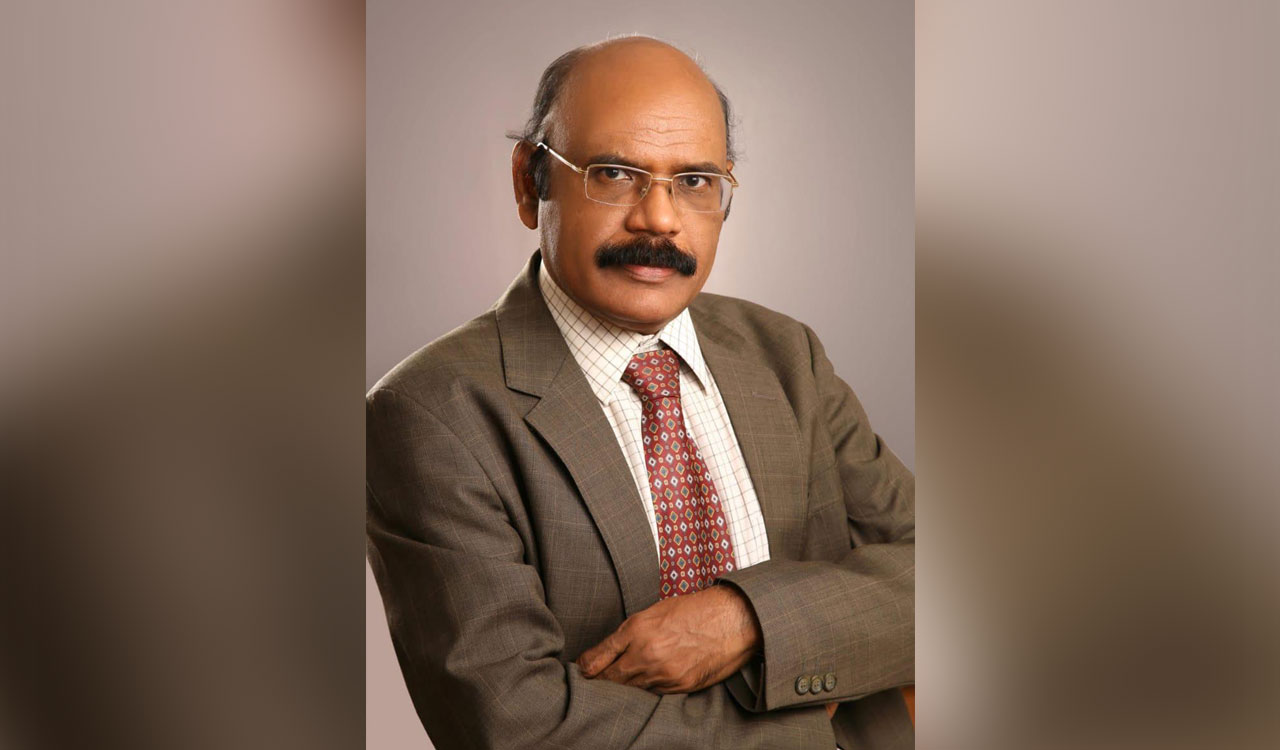


Hyderabad: A major Indian study, led by Hyderabad heart surgeon Dr Lokeswara Rao Sajja, is challenging global standards for heart surgery in diabetic patients.
The PRODICT Trial, funded by the Indian Council of Medical Research (ICMR) and involving 950 diabetic patients, suggests that using multiple arteries for bypass grafts is not only safe for diabetics but also offers superior long-term protection compared to traditional methods.
Traditionally, surgeons avoid using both mammary arteries in diabetics due to fears of breastbone infections, relying instead on a single mammary artery paired with leg veins. However, leg veins often clog within a decade, and their attachment to the aorta can trigger strokes by dislodging arterial plaques.
The five-year PRODICT study, conducted across 15 hospitals across India, revealed encouraging first-year results. Angiograms showed that grafted arteries remained 98 per cent open, performing as effectively in diabetics as in non-diabetics.
By using the skeletonised harvesting technique, surgeons successfully mitigated the risk of infection. Furthermore, using two mammary arteries avoids manipulating a plaque-filled aorta, significantly lowering stroke risks.
“With heart disease striking Indians 15 years earlier than Westerners and diabetes rates soaring, long-term surgical durability is critical,” Dr Sajja noted at the American Association for Thoracic Surgery (AATS) Annual Meeting in Chicago.
By prioritising arterial grafts over leg veins, surgeons can provide a “one-time” solution, eliminating the dangers of repeat bypasses and ensuring higher survival rates for India’s diabetic population.

Related News