Hyderabad twin blasts and Ahmedabad serial blasts linked by common IM network
Court proceedings revealed that the 2007 Hyderabad twin blasts and the 2008 Ahmedabad serial blasts were closely linked through the same Indian Mujahideen leadership, operatives, bomb-making methods and organisational network, strengthening the prosecution's case of a coordinated multi-state terror campaign
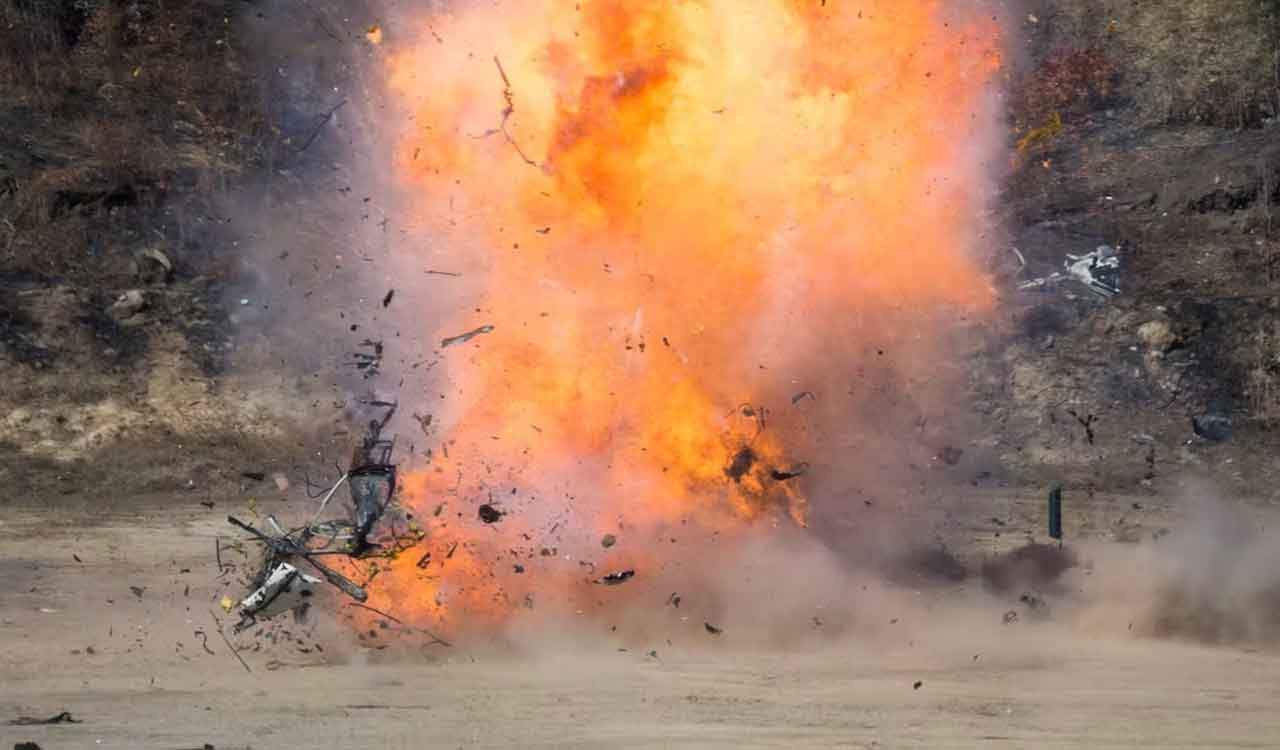


Hyderabad: The 2007 Hyderabad twin blasts and the 2008 Ahmedabad serial blasts were not merely two separate terror attacks carried out by the Indian Mujahideen (IM); they were virtually identical in planning, execution, technical design and operational structure.
The court proceedings in both cases revealed that the attacks were conceived as part of a common terror campaign led by the same leadership, executed by the same network of operatives, and built around an identical bomb-making blueprint.
At the helm of both conspiracies were IM founders Riyaz Bhatkal and Iqbal Bhatkal, who allegedly provided strategic direction, finances and technical expertise. The operatives involved in the Hyderabad bombings later became part of a larger, multi-state sleeper cell that was activated to carry out the coordinated serial blasts in Ahmedabad, reflecting a common organisational hierarchy behind both attacks.
The operational link between the two cases was equally striking. Mohammed Akbar Ismail Chaudhary, also known as Ismail Chaudhary, and his associate, Aneeq Shafique Sayeed, figured prominently in both conspiracies. Chaudhary was accused of planting the unexploded improvised explosive device (IED) at Dilsukhnagar during the August 2007 Hyderabad twin blasts before moving on to participate in the logistics and bomb-planting operations for the Ahmedabad serial blasts in July 2008. Sayeed, too, was among the principal accused in both cases, making the duo common operatives in two of the country’s deadliest terror attacks.
The technical similarities between the two attacks were equally remarkable. In both Hyderabad and Ahmedabad, the bombs were concealed inside aluminium tiffin boxes and packed with ammonium nitrate and Neogel, a commercial explosive. The IEDs were assembled using the same sophisticated circuitry, including digital timers, integrated circuit chips and distinctive wooden boat-shaped switches, indicating that the bombs had been built using a common design and methodology.
The unexploded bombs recovered from Dilsukhnagar in Hyderabad and later from Surat following the Ahmedabad serial blasts became the defining pieces of forensic evidence. Because the devices remained intact, forensic experts were able to examine every component and establish that the bombs shared identical construction techniques, timer mechanisms and electronic signatures. These common characteristics became a crucial factor in proving that both attacks originated from the same bomb-making module.
The conspiracies also mirrored each other in terms of preparation and execution. Evidence presented during the Ahmedabad trial showed that IM operatives had undergone training at a terror camp in the forests of Gujarat shortly before the attacks. Many of the operatives identified during the Hyderabad investigation were found to be part of the same network, reinforcing the prosecution’s case that both bombings formed part of a single, coordinated terrorist campaign spanning several states.

Related News
-

2008 Ahmedabad bomb blasts: SC stays execution of death penalty of IM operative
-
Ahmedabad blasts: Gujarat HC upholds death for two convicted in Hyderabad twin blasts case
-
NIA chargesheets three more accused in 2025 Red Fort car bomb blast case
-
NIA arrests ninth accused Yasir Ahmad Dar in Delhi Red Fort blast case