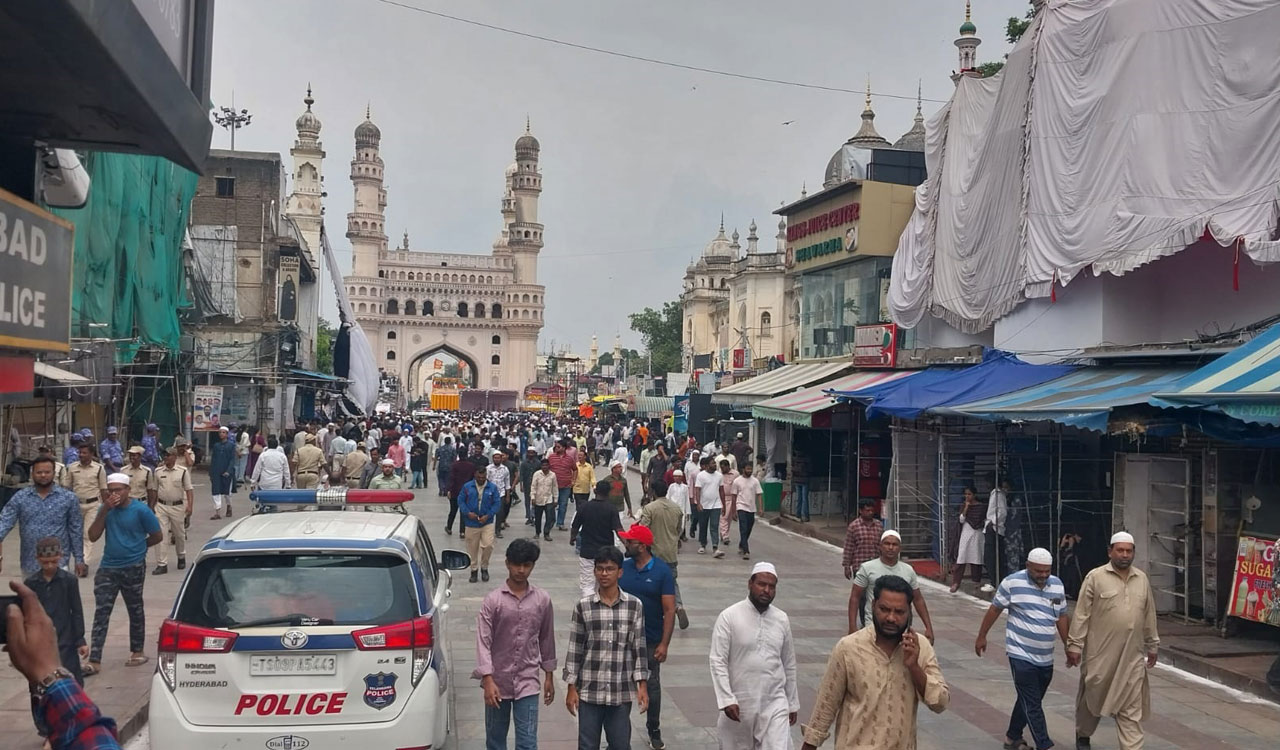
Hyderabad’s Zakat contributions rise sharply amid gold price hike
With gold prices nearly doubling in a year, Muslims in Hyderabad are set to contribute significantly more Zakat this Ramzan. Zakat, one of Islam’s five pillars, requires 2.5 percent of annual savings to be given to the needy. Religious leaders emphasise its obligatory nature, regardless of rising costs.
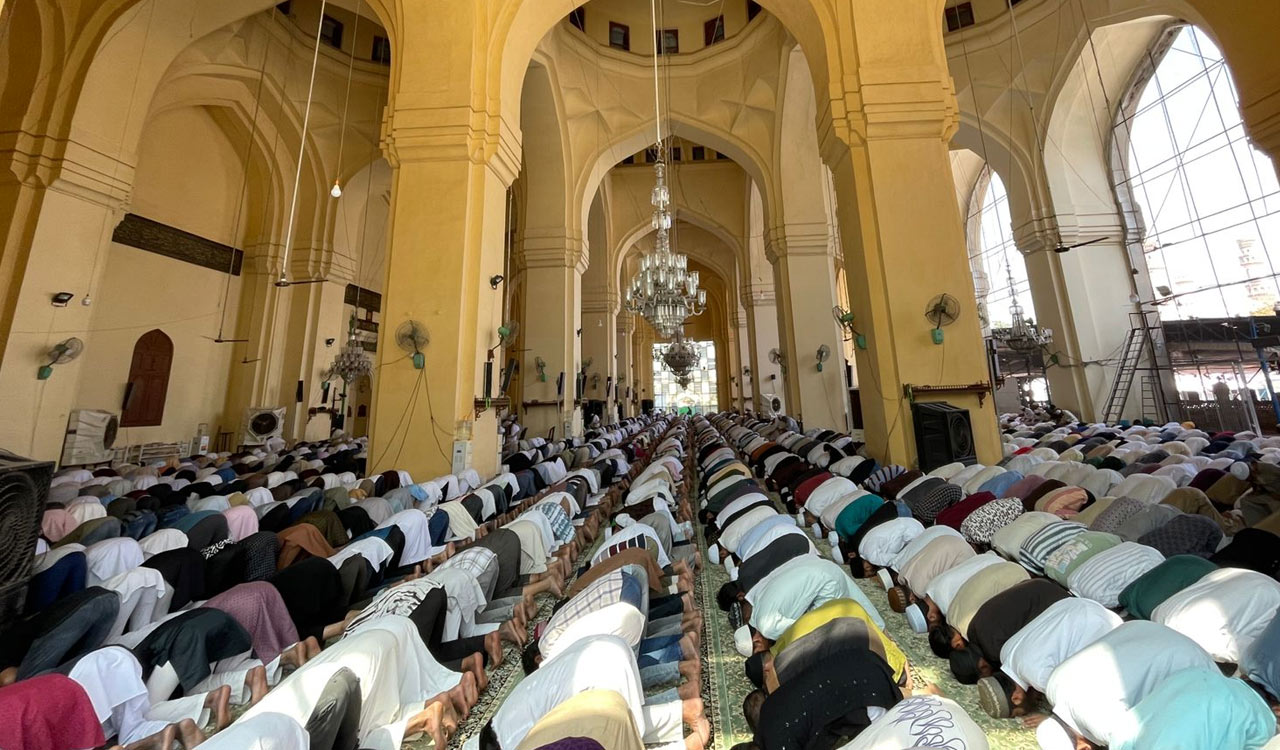


Hyderabad: This Ramzan, Muslims will be giving more Zakat, compared to previous years. Thanks to the nearly 100 percent increase in the prices of gold within a year.
Zakat, one of Islam’s five pillars, is a compulsory form of charity that Muslims calculate on their annual savings, with at least 2.5 percent designated for distribution. It is most commonly given during the month of Ramzan.
With the prices of gold almost doubling within a year, the Muslims are now dispensing more money to the underprivileged and needy. A tola of 24k of gold is priced around Rs. 1.49 lakh while in the previous year around the same time it was around Rs. 78,000 per tola.
“Last year, I calculated and paid roughly Rs. 80,000 zakat during Ramzan. This year, I will be giving around Rs. 1.35 lakh,” said Fawad Khan, a health professional.
“Gold prices increase is no excuse for skipping. Zakat is a must and it should be given more preferably in Ramzan. Ensure that it is used to change lives of the underprivileged,” said Ilyas Shamshi, Khateeb Masjid e Osmania, Sultan Bazaar.
Muslims usually set a cut off date for a 12 month term – mainly Ramzan to Shabaan months of the Hijri calendar and calculate the zakat.
Maulana Hafiz Mohammed Rizwan Qureshi, Khateeb, Mecca Masjid, explained it is obligatory for every Muslim who is ‘sahib–e-nisaab’, meaning one whose annual saving equals not less than the value of 77 grams gold or 520 grams silver. Zakat is also eligible on the gold or silver purchased anytime in the one year period.
“For instance, if even two tolas gold is purchased two months before Ramzan, then the zakat amount should be calculated on it for two months,” said Maulana Rizwan Qureshi.
Traditionally, the zakat amount is used to help the underprivileged with livelihood opportunities. “A few people help people set up business, purchase auto rickshaw or pushcart, or fund education both religious and worldly of underprivileged students to enable them to come out of poverty,” said Dr. Hafiz Mohammed Mastan Ali.

Related News
-

OCTOPUS, other security agencies conduct mock drill at Mecca Masjid in Hyderabad
-
Hyderabad: Friday prayers at Mecca Masjid pass off peacefully amid tight security
-
Hyderabad: Ganesh idols pass Mecca Masjid amid Friday prayers, heavy security
-
Empowerment is not negotiable: Rajeev Chandrasekhar on women’s rights