ICRISAT’s climate-resilient pigeonpea shows promise in Kashmir high-altitude trials
ICRISAT’s climate-resilient pigeonpea hybrids have performed well in high-altitude trials in Kashmir, demonstrating cold tolerance and stable flowering. The breakthrough could boost food security, diversify farm incomes, and promote climate-resilient agriculture in regions previously unsuitable for pigeonpea cultivation.
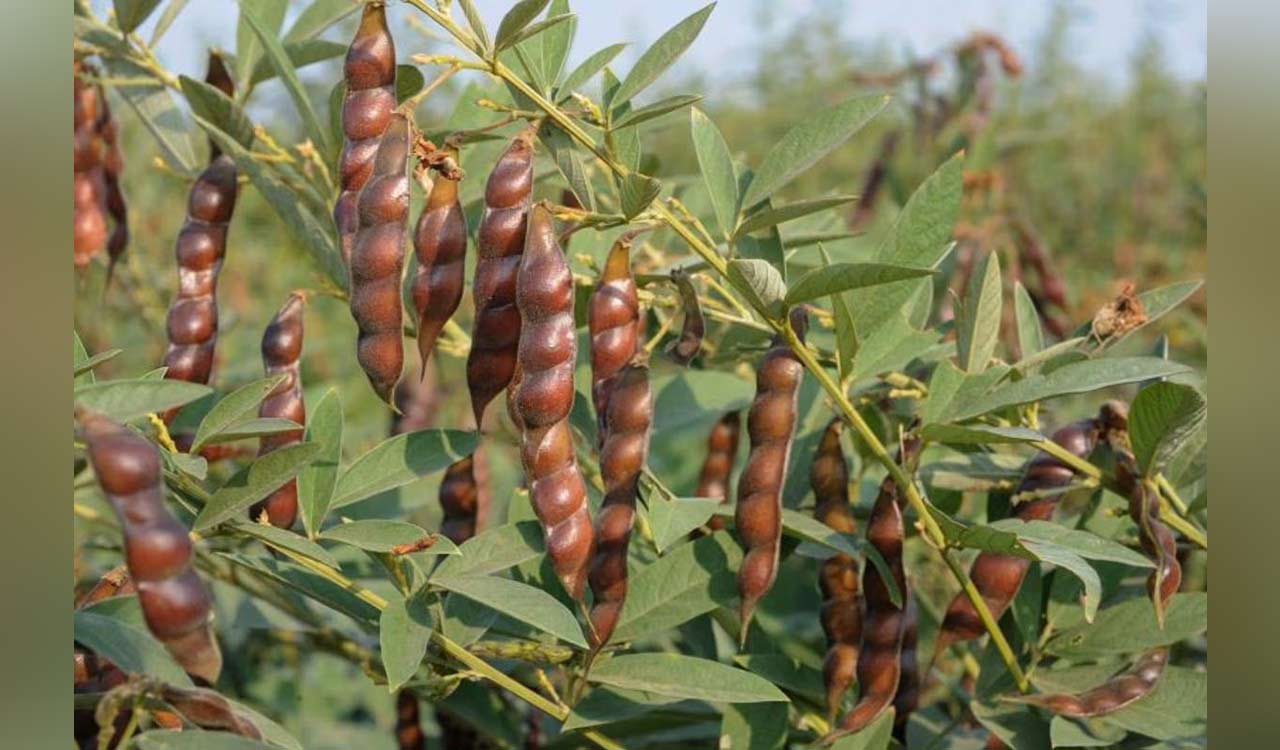


Hyderabad: ICRISAT’s climate-resilient pigeonpea hybrids have recorded promising results in high-altitude trials in Kashmir, opening up a new frontier for pulse cultivation in a region traditionally considered unsuitable for the crop. Scientists say the breakthrough could bolster food security, diversify farm incomes and help farmers adapt to a warming climate.
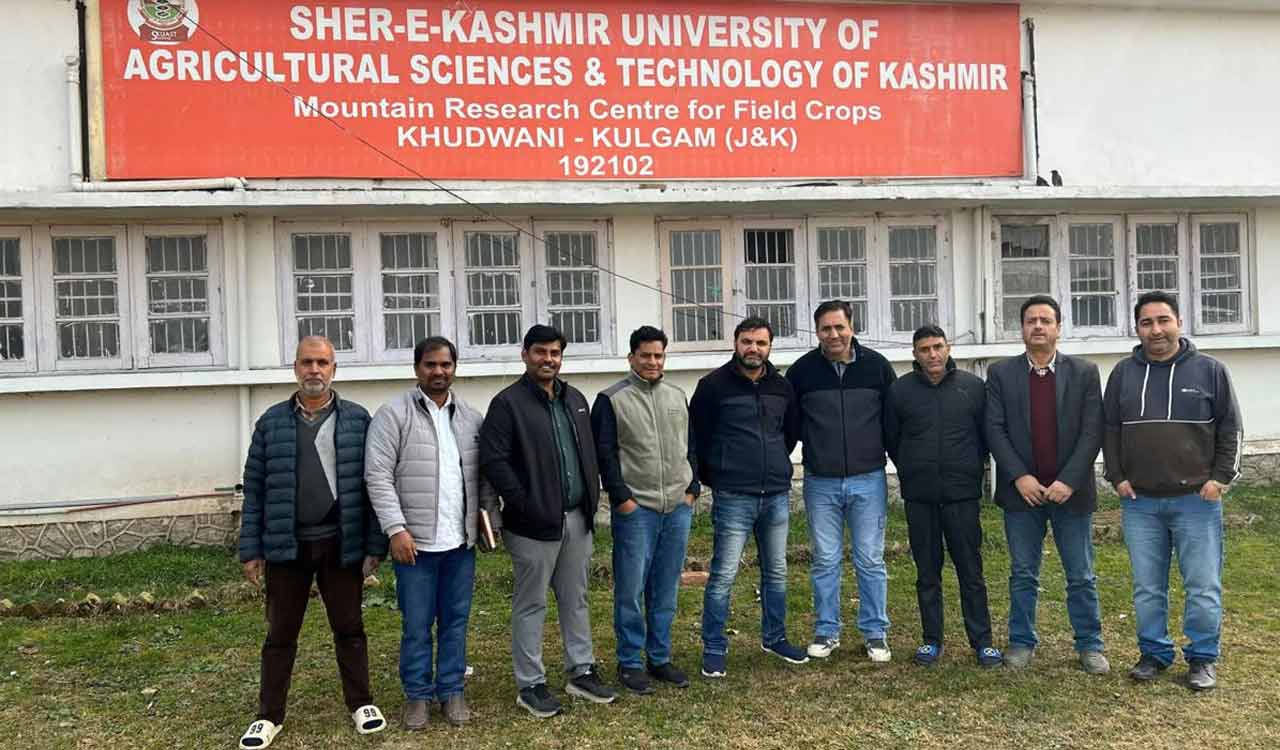
The International Crops Research Institute for the Semi-Arid Tropics (ICRISAT) and Sher-e-Kashmir University of Agricultural Sciences and Technology of Kashmir (SKUAST-K) began testing novel pigeonpea genotypes across high-altitude sites in the Valley earlier this year under a formal collaboration. The trials focus on early-maturing, light-sensitive, heat-insensitive and cold-tolerant lines in temperate, cold-prone areas where pigeonpea has not been grown traditionally because of its sensitivity to low temperatures.
An ICRISAT team, during a visit to the Mountain Crop Research Station at Sagam, observed robust plant vigour, tolerance to cold night temperatures and stable flowering in several Cytoplasmic Male Sterile (CMS) lines and other advanced breeding materials. Researchers say that if these traits are confirmed over more seasons, pigeonpea could emerge as a viable crop for Kashmir, contributing to crop diversification, food and nutritional security and greater resilience to climate variability.
ICRISAT Director General Dr Himanshu Pathak said close partnerships with national institutions are critical as climate change reshapes agriculture in the Himalayan region, lauding SKUAST-K and its Vice Chancellor Dr Nazir Ahmad Ganai for backing the initiative. Deputy Director General (Research and Innovation) Dr Stanford Blade noted that the work builds on earlier discussions with the Jammu & Kashmir leadership on agricultural self-reliance and reflects strong government commitment to climate-resilient innovations.
ICRISAT’s work on CMS pigeonpea dates back to 2008, when it developed the world’s first CMS hybrid, ICPH 2671, and the current advances could enable hybrid seed production systems in Kashmir. Scientists say such systems can reduce pest incidence, extend flowering periods and even support off-season production, while aligning with Sustainable Development Goals on zero hunger, responsible production and climate action.

Related News
-

Army rejects reports of terror activity, military build-up along LoC
-
Terrorist slain in Budgam a Pakistani national, was involved in 2024 attacks
-
Suspected Pakistani terrorist killed in Budgam encounter; search on for second militant
-
Those raising ‘Kashmir maange Azaadi’ slogans will face arrest: Suvendu Adhikari