Lifestyle choices, lack of proper sleep, food and exercise causing rise in heart attacks
In May this year, noted singer KK (53) died of cardiac arrest after a concert in Kolkata. Last year, actors Siddharth Shukla (40), Puneeth Rajkumar (46), Amit Mistry (47) died due to cardiac arrest.
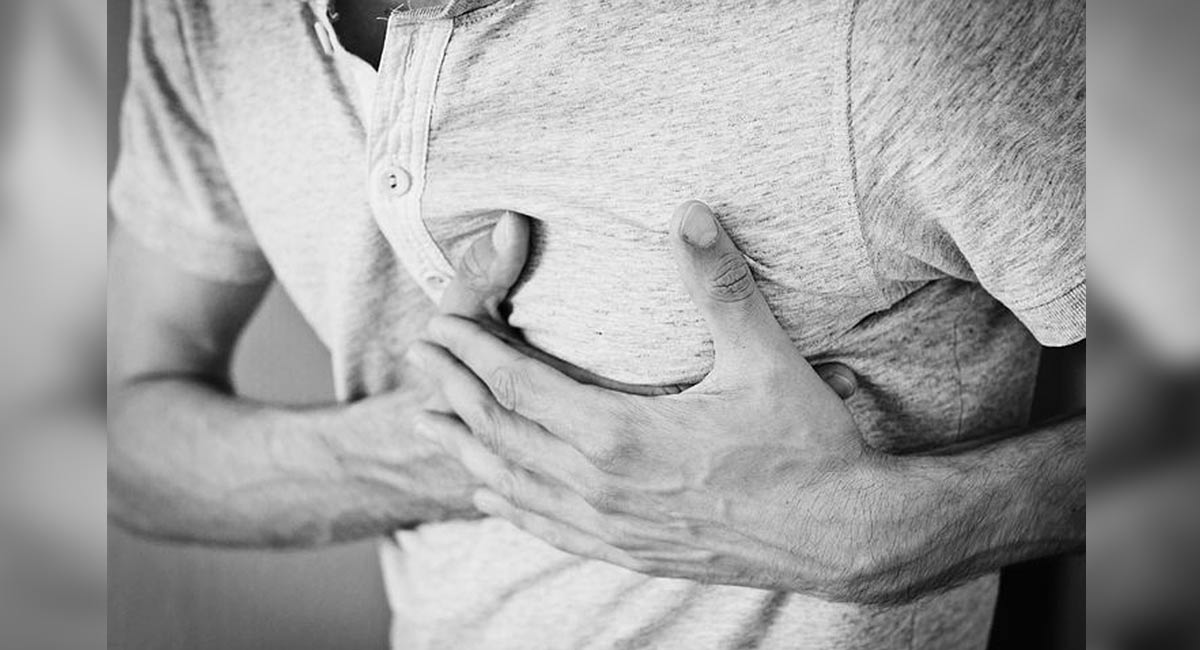


Mumbai: Lifestyle choices, increased stress levels, lack of sleep, nutritious food and exercise are primary causes of the rise in cases of heart attacks in relatively younger people, say experts.
The recent case of comedian-actor Raju Srivastava (58) suffering a heart attack has put the issue in spotlight again.
In May this year, noted singer KK (53) died of cardiac arrest after a concert in Kolkata.
Last year, actors Siddharth Shukla (40), Puneeth Rajkumar (46), Amit Mistry (47) died due to cardiac arrest.
Dr Nikhil Parchure, cardiologist at the Apollo Hospital in Navi Mumbai, told PTI that the heart attack rate has doubled in India in the last 20 years and more young people are now prone to it.
He said 25 per cent of all heart attack cases are being seen in people below the age of 40.
“Smoking is the most important among other risk factors like diabetes, high blood pressure and cholesterol. Lifestyle choices, lack of sleep, nutritious food and exercise, and increased stress levels are probably responsible for heart attacks in young people,” he said.
Also, COVID-19 has been recently responsible for an increase in heart attack cases among young people in India, he added.
Dr Ajit Menon, consultant, cardiac sciences at the Sir HN Reliance Foundation Hospital in Mumbai, claimed India is becoming the “diabetes capital” of the world, and said this is also why young people are prone to heart attacks.
The number of young hypertensives is dynamically increasing and the factor leading to it is stress, he said.
Menon also pointed out the physiology of Indians as another factor.
“If you look at the average Indian, they have a much higher fat content than an average European of the same Body Mass Index (BMI), which means the same height and weight, and that difference is quite staggering,” he said.
An average European’s fat content is seven to eight per cent, whereas that of an Indian is almost 12 to 23 per cent in terms of visceral adiposity, he said.
“Something that was touted earlier and is still relevant, and that is called the thin fat Indian. This means the person will look thin from the outside, but his visceral content of fat, which eventually determines that the patient is going to develop any atherosclerotic disease and blockages etc, is on a much higher side for Indians as compared to Westerners who have a much better muscle mass than Indians,” he said.
Family history plays a very strong role, and especially if the mother had a heart problem at a young age, chances of children getting it are also reasonably high. Genes is one thing which you cannot alter, irrespective of what you do, Menon said.
“Whatever lifestyle you lead, if your genetic tendencies are extremely high, there is a very strong possibility that you will develop blockages sooner or later. So you need to assess yourself on a periodic basis beyond a certain age,” he said.
Dr Ramakanta Panda, leading cardiac surgeon and head of Mumbai’s Asian Heart Institute, also pointed to genetic tendencies as an important factor.
“Other common reasons for heart issues in the young include a strong family history of heart disease, co-existing medical conditions such as diabetes and hypertension, lifestyle problems such as smoking, obesity, stress, lack of exercise and environmental pollution,” he said.
He said sudden death is more common in young people because their body has not developed an alternative circulation.
This is not so in older people as they develop blockages over time and their body gets enough time to get accustomed to the change, he said.
Daily exercise for 30 to 45 minutes can keep the body fit and free from many diseases and health conditions like diabetes, hypertension, obesity, Panda said.
This in turn helps prevent cardiac disease. But, he also cautioned youngsters about not hydrating their body enough before a strenuous exercise.
“When you do not hydrate but exercise heavily and sweat, the blood becomes thicker and you may develop a clot. Also, exercising beyond your capacity causes stress, which may result in the rupturing of an artery. Youngsters must guard against this,” he said.
Panda said periodic screening tests are needed to identify the problem at an early stage, so that proper treatment may be given before there is significant damage to the heart.
Common screening tests include electrocardiogram (ECG), 2D echocardiogram, stress test, CT scan for coronary calcium.
Cardiac screening tests are advisable once a year or once in two years after the age 40 in the general population or after the age of 30 in the high-risk population, Panda said.
Dr Mohit Garg, consultant and head of accident and emergency department at the Global Hospital in Mumbai, said if cardiac arrest is left untreated, irreversible brain damage occurs within three to eight minutes and death rapidly follows.
Even in patients who are resuscitated or revived from cardiac arrest, post-cardiac arrest brain injury is the main cause of death and the main cause of long-term disability in those who survive the acute phase, he said.
Also read
KK had heart blockages, could have been saved if CPR was given on time: Doctor
Covid raises risk of heart attack
Air pollution exposure may lead to heart attack within an hour: Study

Related News
-

Former BRS MLA Peddi Sudarshan Reddy suffers heart attack, shifted to Hyderabad
-
Former BRS MLA Peddi Sudarshan Reddy suffers heart attack, condition critical
-
NIN study finds regular exercise improves metabolism, bone health and gut microbiome
-
Former PM HD Deve Gowda’s wife Chennamma dies at 85 in Bengaluru