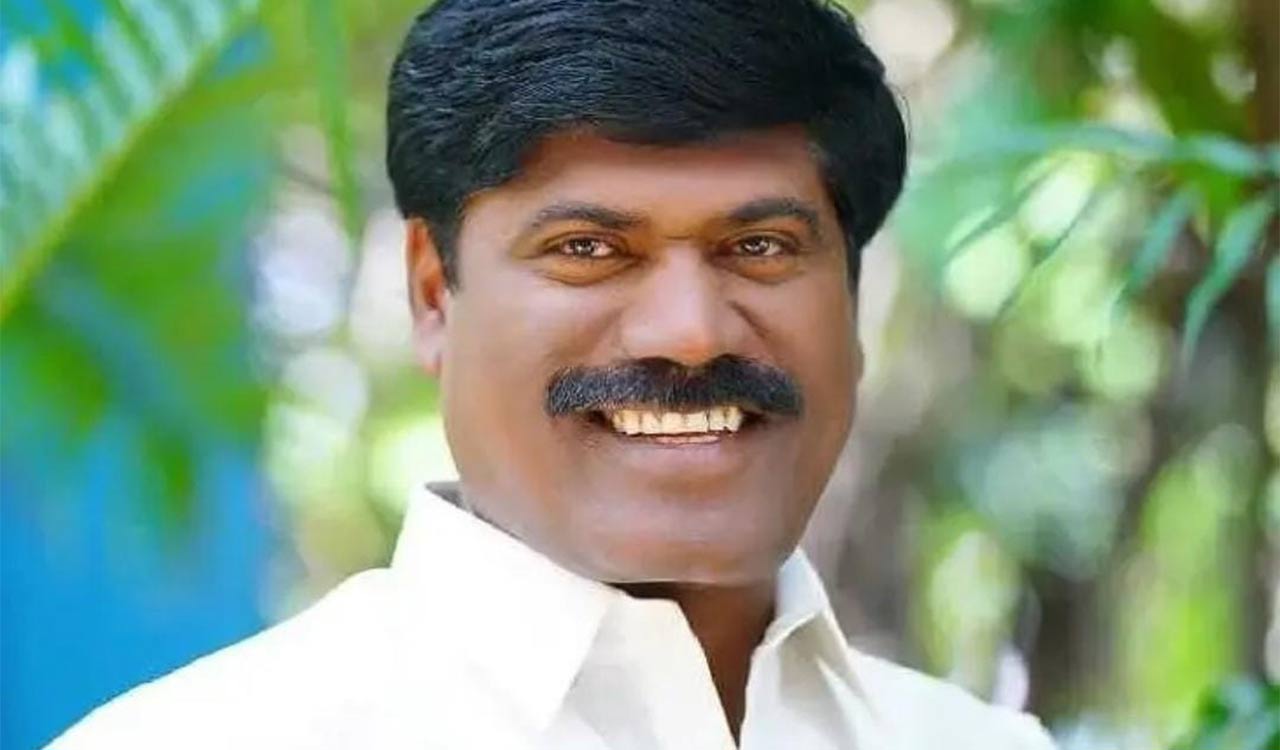
M Nagarjuna, an IAS officer who redefined service
Late IAS offier Nagarjuna's leadership style was rooted in simplicity. There was no display of authority, no sense of hierarchy, no distance created by position. What he carried into every room was not his rank, but his values. For his simple living and commitment to his duty, he is fondly remembered by his former colleagues


By S Pradeep Kumar
In today’s times, when positions and privileges often define one’s identity, it is rare to come across a leader who chooses responsibility over rank, service over stature, and work over prestige. Such leaders do not merely hold posts – they uphold values. And sometimes, their quiet decisions speak louder than the loudest proclamations.
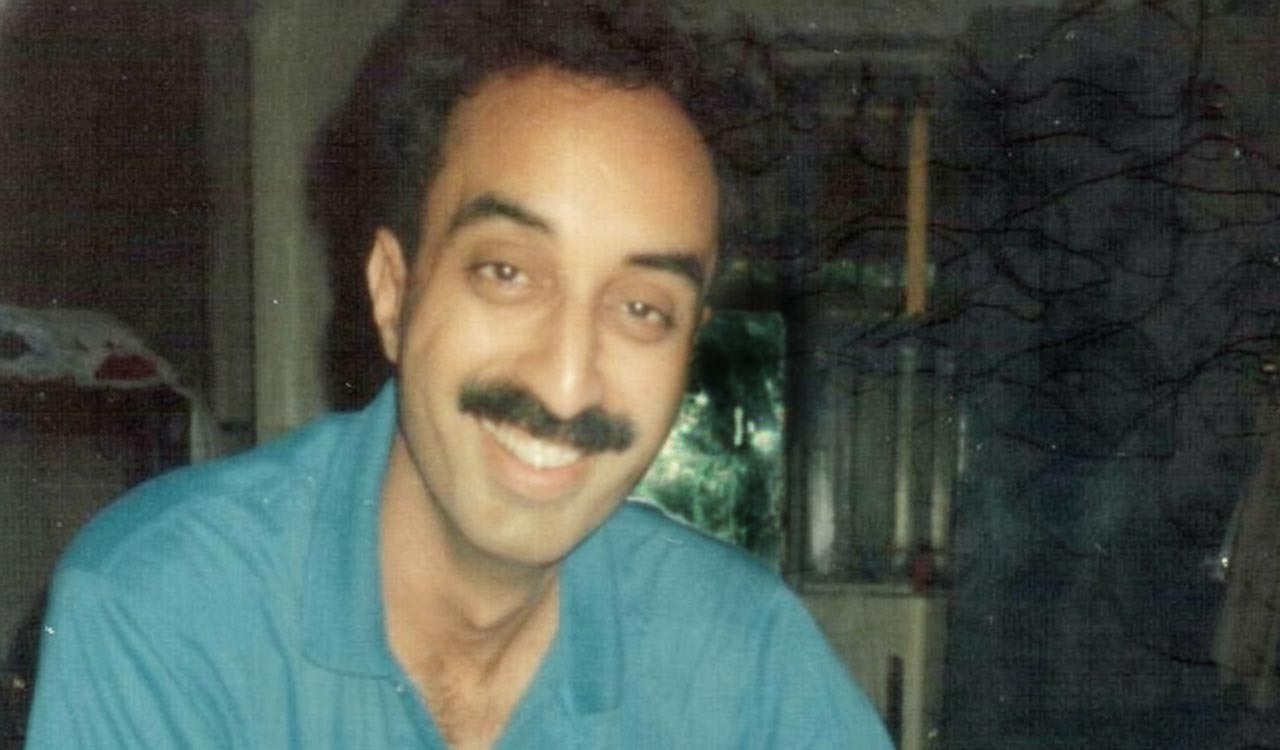
One such officer was late M. Nagarjuna, an IAS officer, whose life, choices, and integrity remain etched in the memories of all who worked with him.
He had once served as the Principal Secretary to the School Education Department – a position of immense responsibility and influence. Yet, when he sensed that the system required deeper, hands-on planning, he voluntarily opted to step down and took charge as the State Project Director, DPEP – a post technically lower in hierarchy. It was an unprecedented decision. At a time when many chase higher posts, he chose to walk down the ladder because he believed the work at the ground level needed him more.
While many officers speak of political pressures or administrative constraints, he quietly navigated them with honesty, simplicity, and courage. His humility was not a strategy – it was his nature.
During his tenure as SPD, DPEP, he introduced several innovative programmes, one of the most notable being the integration of child-friendly elements in school building construction – a reform widely appreciated and later adopted as a model by other institutions.
His leadership style was rooted in simplicity. There was no display of authority, no sense of hierarchy, no distance created by position. What he carried into every room was not his rank, but his values.
One summer, his grandparents were suffering due to the heat. His PA suggested installing an AC – a suggestion any officer of his rank would accept without a second thought. But he refused.
Instead, he looked for a simple, cost-effective remedy. I suggested applying cool-home paint on the roof, costing barely Rs.1,500. He immediately agreed. A few days later, he personally called to express gratitude and tell me how well it worked.
He could have installed multiple air-conditioners. But he chose simplicity over luxury, logic over display, and values over comfort. That was his character.
Once, I travelled with him in his car to his residence on official work. As soon as he stepped out, he noticed his children playing at a distance in the ground. With a playful whistle – fingers folded, full of warmth – he signalled them to return. That single moment showed me the gentle side of a principled man, a leader at work, a simple father at home, blending authority with affection effortlessly.
Many young officers joining government service today may not even be aware that such exceptional officers once worked in our State. Their stories, decisions, and character traits are powerful lessons – more valuable than any training manual.
It would be meaningful for the government to document the contributions of such officers and make them accessible in the public domain. A dedicated space in the Secretariat showcasing their service, values, and achievements – along with their photographs – would inspire both present and future officers.
Such recognition is not for glorification, but for reminding the system of the standards it can truly aspire to.
Recently, when I enquired, I was told that 12th December was his birthday, and it moved me deeply. As that day approaches, remembering him feels less like honouring an officer and more like revisiting the values he lived by. Leaders like him are not remembered for their tenure – they are remembered for their character.
In many ways, this article is my small tribute to a man whose principles, simplicity, and courage left a lasting mark on everyone who worked with him. His life reminds us that the true strength of the administrative system lies not in its structures, but in the hearts of the people who serve it.
(Author is a Deputy Executive Engineer in Director of School Education office)

Related News
-

Telangana Special Police constable assaulted by cop, civilians in Warangal; video goes viral
-
Former BRS MLA Peddi Sudarshan Reddy no more
-
Major IAS reshuffle in Telangana, changes made in CMO and departments
-
Tragic fire claims lives of grandmother and two children a month after father’s death in Telangana