Medigadda turns into Revanth’s political tightrope
The Congress government's political narrative on the Kaleshwaram Lift Irrigation Scheme is increasingly being challenged by questions over why the project remains underutilised. As water needs grow, attention is shifting from alleged irregularities under the BRS to the present government's handling of the irrigation network.
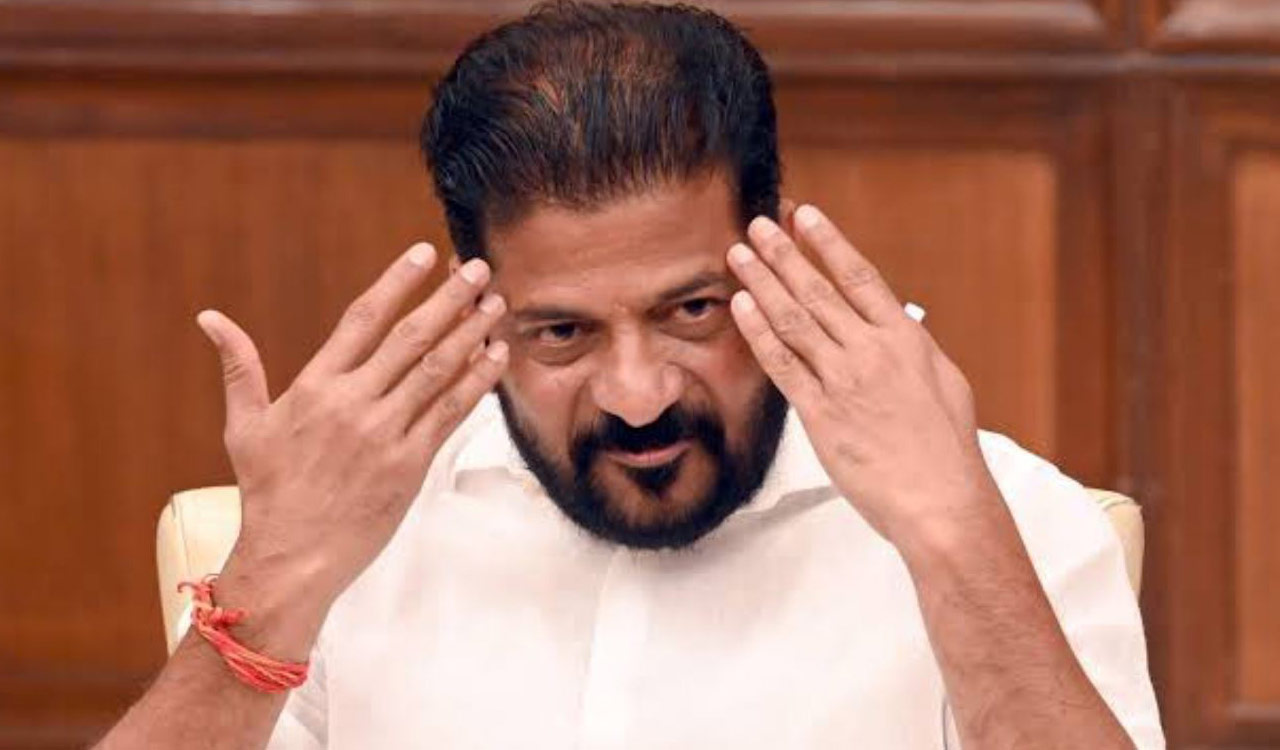


Hyderabad: Chief Minister A Revanth Reddy‘s strategy of using the Kaleshwaram Lift Irrigation Scheme to politically corner the BRS and former Chief Minister K Chandrashekhar Rao is increasingly colliding with the realities of governance. The Congress government is now caught between sustaining its political narrative and addressing Telangana’s growing water needs.
For more than 32 months since coming to power, the Congress has portrayed the Kaleshwaram Lift Irrigation Scheme, particularly the Medigadda barrage, as the defining symbol of alleged corruption and engineering failure under the previous BRS government. The campaign reached its peak during the 2023 Assembly elections, when senior Congress leaders, including Rahul Gandhi, visited the barrage to reinforce the charge that the project had collapsed.
That narrative now faces an uncomfortable test.
The central question is no longer whether irregularities occurred in the construction of Kaleshwaram, but why a project built with public money remains underutilised despite experts suggesting that water can still be lifted through other components of the integrated system while investigations continue.
Though the BRS has been raising these questions for the last couple of years, the Congress resorted to political attacks, abuses and even arrests in some cases. The BRS’s contention was that Kaleshwaram was not just Medigadda, as it comprised an interconnected system of barrages, reservoirs, tunnels, canals and pumping stations, many of which remained intact. The party leaders argued that if one component requires repairs, the rest of the system should be utilised wherever technically feasible.
BJP MP Eatala Rajender crystallised the distinction by arguing that corruption should invite prosecution of those responsible, but should not become grounds to deny farmers the benefits of an existing irrigation network. The argument has since found wider acceptance among retired irrigation engineers, sections of farmers and the BJP itself.
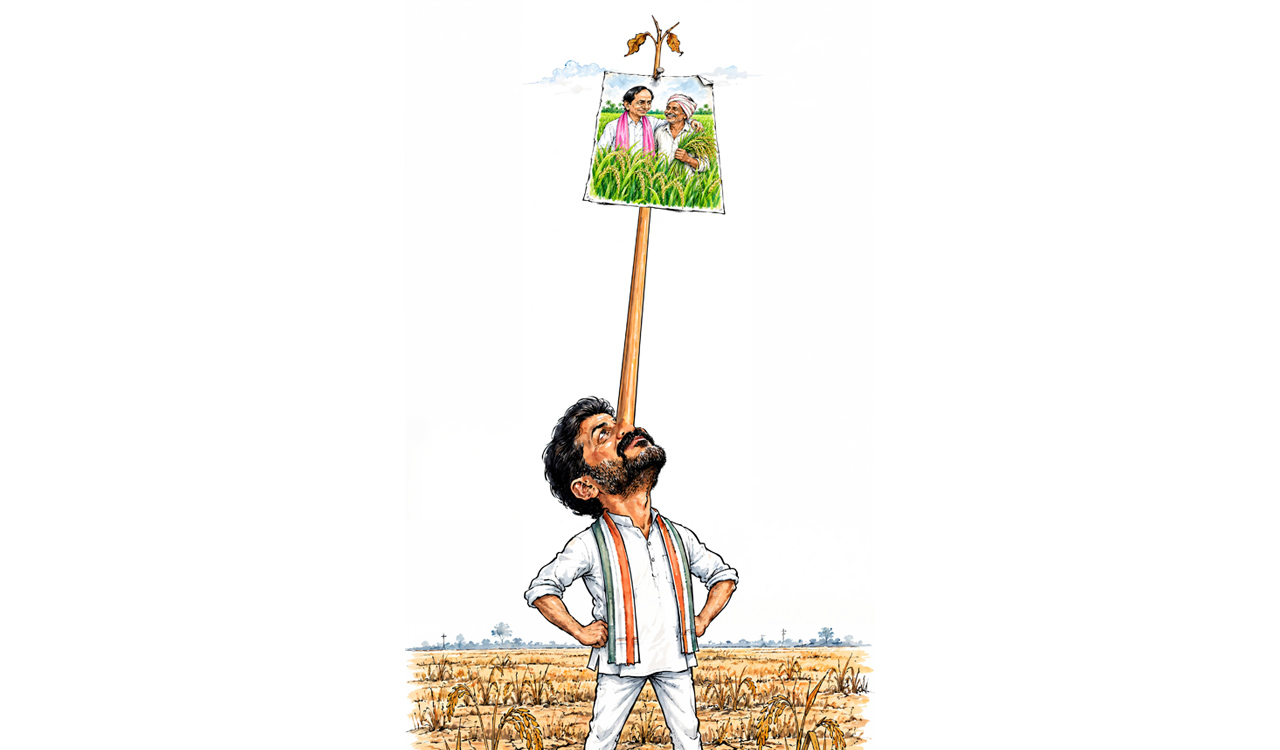
That has placed the Congress government in a political bind. Using Kaleshwaram risks weakening the narrative that helped it portray the project as a symbol of BRS misgovernance and corruption. Continuing to keep it idle, however, risks reinforcing the perception that political considerations are taking precedence over public interest.
The criticism has also widened to the government’s handling of the issue after assuming office. Questions are being raised over why comprehensive inspections, technical assessments and repairs were not completed during the past two-and-a-half years if structural concerns were indeed serious.
BJP State president N Ramchander Rao has further argued that while the National Dam Safety Authority (NDSA) provided technical recommendations, responsibility for inspections, repairs and implementation rested with the State government, making repeated references to the authority an insufficient explanation for the delay.
The debate has consequently shifted beyond allegations against the previous government to the performance of the present one. It is no longer confined to irrigation either. Concerns are now being expressed over the implications for Mission Bhagiratha and drinking water security if available infrastructure continues to remain underutilised.
The political timing is equally significant. More than two-and-a-half years into office, the Congress government is entering the phase where voters increasingly judge the incumbent on its own record rather than that of its predecessor. As repairs remain pending and water continues to go largely unused, the focus is steadily shifting from the alleged failures of the previous regime to the decisions of the present government.
For Revanth Reddy, Medigadda is no longer merely a symbol of the BRS government’s record. It has become a test of whether political rhetoric can continue to outweigh the public expectation that a functioning public asset should be put to use.

Related News
-

Rewind: When the 2015–16 El Niño struck Telangana—the drought lesson Revanth needs today
-
BRS hits back at Congress, targets Revanth, Uttam over power, water crisis claims
-
Talasani accuses Congress government of failing to prepare for El Niño
-
KTR commends youngster for transforming government primary school into plastic-free campus