NACO rolls out AI-based early warning system to predict HIV infections
The National AIDS Control Organisation is rolling out an AI-based early warning system nationwide to predict HIV infections before diagnosis. The initiative under NACP Phase-V aims to enable early testing, prevention and reduced transmission among high-risk groups.


Hyderabad: In a unique shift in the fight against HIV/AIDS, the National AIDS Control Organization (NACO) is rolling out an AI-driven ‘Early Warning System’ across the country, aimed to predict HIV infections before they are formally diagnosed.
The HIV early warning system will identify and alert individuals at high risk of HIV infection before they receive a formal diagnosis. The system also marks a fundamental shift from reactive testing to a data-led, proactive prevention model.
Being implemented as part of the National AIDS and STD Control Programme (NACP) Phase-V, the initiative will reach out to nearly 1 lakh high-risk individuals in the coming months. The rollout is currently scaling across all 36 States and UTs, utilizing the Ayushman Bharat Digital Mission (ABDM) ecosystem to reach over 35,000 NACP facilities nationwide.
The AI system works by integrating with the SOCH (Strengthening Overall Care for HIV) portal and analyzing a combination of behavioral patterns, clinical signals such as recurring sexually transmitted infections (STIs) and demographic digital footprints to predict risk levels with high accuracy.
According to doctors familiar with the initiative, a similar AI-early warning system for HIV prevention has been successfully implemented in Ukraine and Georgia.
“The AI early warning system improved HIV cases detection by 37 percent to 40 percent in these countries. The AI system will essentially trigger automated alerts for health counselors when an individual’s data profile mirrors historical patterns of infection,” officials said.
Through the alerts, patients can undergo early testing and take-up Pre-Exposure Prophylaxis (PrEP), a preventive medication that is nearly 99 percent effective at stopping HIV transmission when taken as prescribed, officials here said.
Through AI, the early warning system has the ability to identify potential HIV positive cases, months before individuals might actually undergo a diagnostic test.
“This can break transmission chains and reduce the time a person unknowingly lives with the virus, ultimately lowering national infection rates,” officials said.
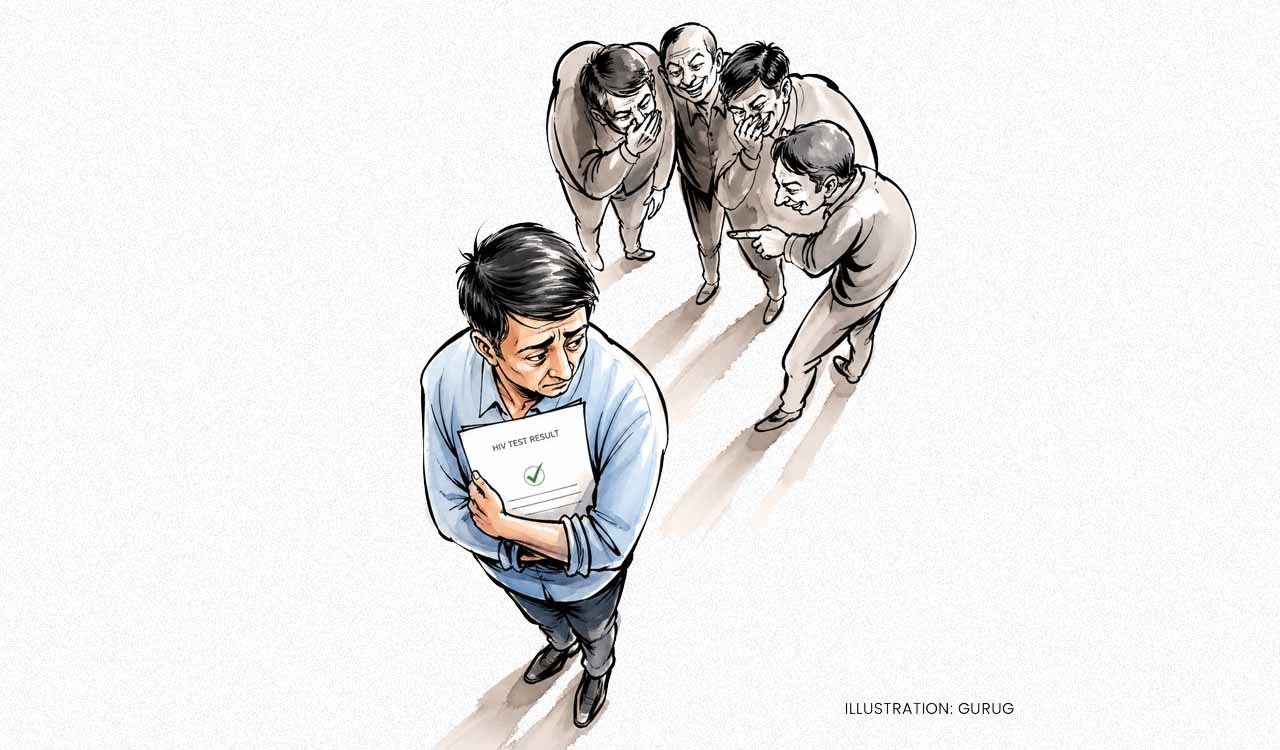
To ensure ethical implementation, NACO has aligned the system with the Digital Personal Data Protection (DPDP) Act, ensuring that all ‘risk flags’ remain confidential medical leads rather than public labels, thereby protecting the privacy and dignity of high-risk groups.
Some important aspects of the AI early warning system:
Predictive mapping by identifying high-risk individuals before they get exposed to the virus
Alerts doctors so that they can reach out to at-risk individuals rather than wait for them to visit Government clinic
Such individuals can be put on Pre-Exposure Prophylaxis, which is 99 percent effective in stopping infection
Tracks patient records to prevent them from dropping out of treatment
Alerts authorities about hotspots where mobile testing can be taken-up
Breaks transmission chains through early warnings.

Related News