New research suggests that a social media detox might not be the silver bullet for mental health
And in fact, we were surprised at how little participants in our study missed social media when we asked them to cut back.
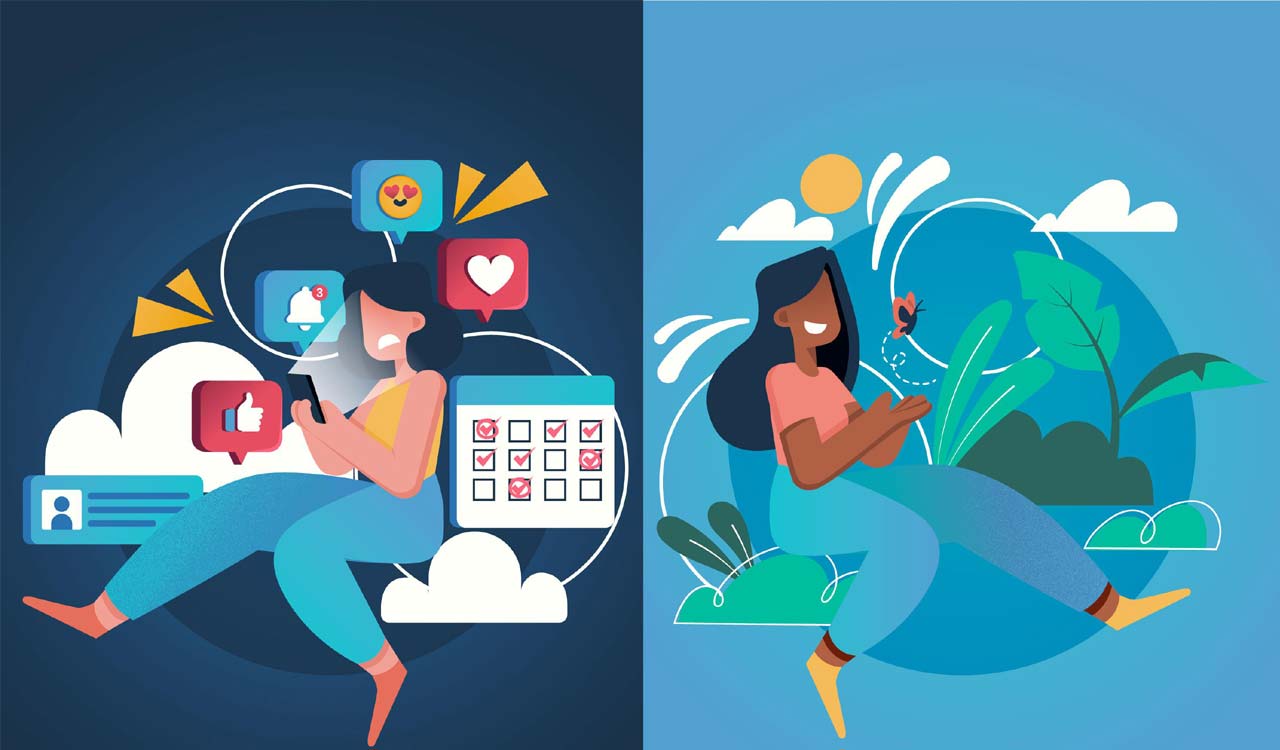


Durham: Whether you’re an influencer, an occasional poster, or just a lurker, you likely spend more time than you’d like on social media. Globally, working-age people with internet access now spend more than 2.5 hours per day on social platforms like Instagram, Facebook or X (Twitter).
Social media use can become excessive and problematic when it interferes with school or work, causes conflict in your relationships or harms your mental health. While not formally recognised as mental health disorder, some scientists even argue that problematic social media use is an “addiction”.
Also Read
When you find yourself checking and scrolling your accounts excessively, you may decide it’s time to go on a digital “diet” or “detox” – cutting your use dramatically or even avoiding social media completely for a few days. But, as our new research shows, this approach can reduce the positive effects of social media just as much as the negative ones.
And in fact, we were surprised at how little participants in our study missed social media when we asked them to cut back. In a recent study, we asked participants to do just that. As 51 people tried to abstain from social media for one week, we tracked their behaviour and experiences through surveys sent to their phones throughout the day, and computer tasks in a controlled environment.
We found that only a minority of participants abstained completely. However, most were able to curb their use substantially, from three to four hours a day on average before the study, to just half an hour.
Even after the abstinence period, participants’ daily social media use stayed well below the level seen before the study.
Impact of curbing social media use
However, in contrast to some previous digital detox studies we did not observe an improvement in our participants’ wellbeing. On the contrary, they reported a reduction in positive emotions over the course of the abstinence period.
Social media provides powerful and quantifiable social rewards through likes, shares and gaining followers. While it also offers quick bouts of entertainment and fun, research shows that it is often these social rewards that drive compulsive checking of social media.
Humans are social animals – feeling part of a group, being accepted and receiving praise are universal needs. Social media is a convenient and accessible tool to satisfy these needs anytime and anywhere we want, and provides connection that may be lacking in a world of remote working.
But these social rewards can quickly turn into unpleasant experiences. Receiving likes can turn into chasing likes, and a feeling of disappointment if your post performs worse than expected.
Seeing others’ lives can lead to fomo (fear of missing out) or envy, and in the worst cases, users may be victims of unpleasant or hateful comments. To that end, we also observed a reduction in negative emotions when participants cut down on social media use. They felt slightly less miserable, sad and mad during the study.
On the whole, abstaining from social media seems to remove both positive and negative emotions – for some people, the net effect on well-being may be zero.
Can you be addicted to social media?
Perhaps the most enlightening finding was how little our participants missed social media. They did not report increased desires, urges or cravings to check their accounts during the study period, despite dramatically reducing their screen time.
It seems that curbing social media use does not elicit “withdrawal” symptoms as sometimes seen when stopping drug use. With that in mind, we urge you to be cautious in using terms like “addiction” to talk about social media use.
Framing social media use in addiction terms risks demonising technology and pathologising normal behaviour. Labelling users as “addicted” can lead to stigma and to ignoring other psychological problems that may underlie excessive use behaviours. In our view, the term addiction should be reserved to describe a disease, which involves lasting changes in the brain’s reward system.
Ultimately, social media has both positive and negative aspects, and it may just be the negative parts that people feel they need to detox from. Perhaps a better way to think about improving your relationship to social media is similar to how you think about improving your diet. Both food and social media satisfy natural desires – energy for the former and social contact for the latter.
In both cases, you need to know your limits and prioritise healthy rewards. This may mean changing your view of how connected or liked you really need to be, and unfollowing accounts or deleting apps that make you feel bad.

Related News
-

Kashmera Shah begins second directorial as independent filmmaker
-
As Instagram Outages Increase, More Users in India Are Saving Videos Before They Disappear
-
Bhagyashree enjoys date night with hubby Himalaya Dassani re kindle the joys of a relationship
-
Wamiqa Gabbi urges people to show greater compassion towards animals