New rules may help diners identify analogue paneer in food items
Regulatory authorities are considering rules requiring restaurants in metro cities to disclose the use of analogue paneer on menus. The move follows Maharashtra’s directive and aims to improve transparency, prevent misleading food descriptions and help consumers make informed choices
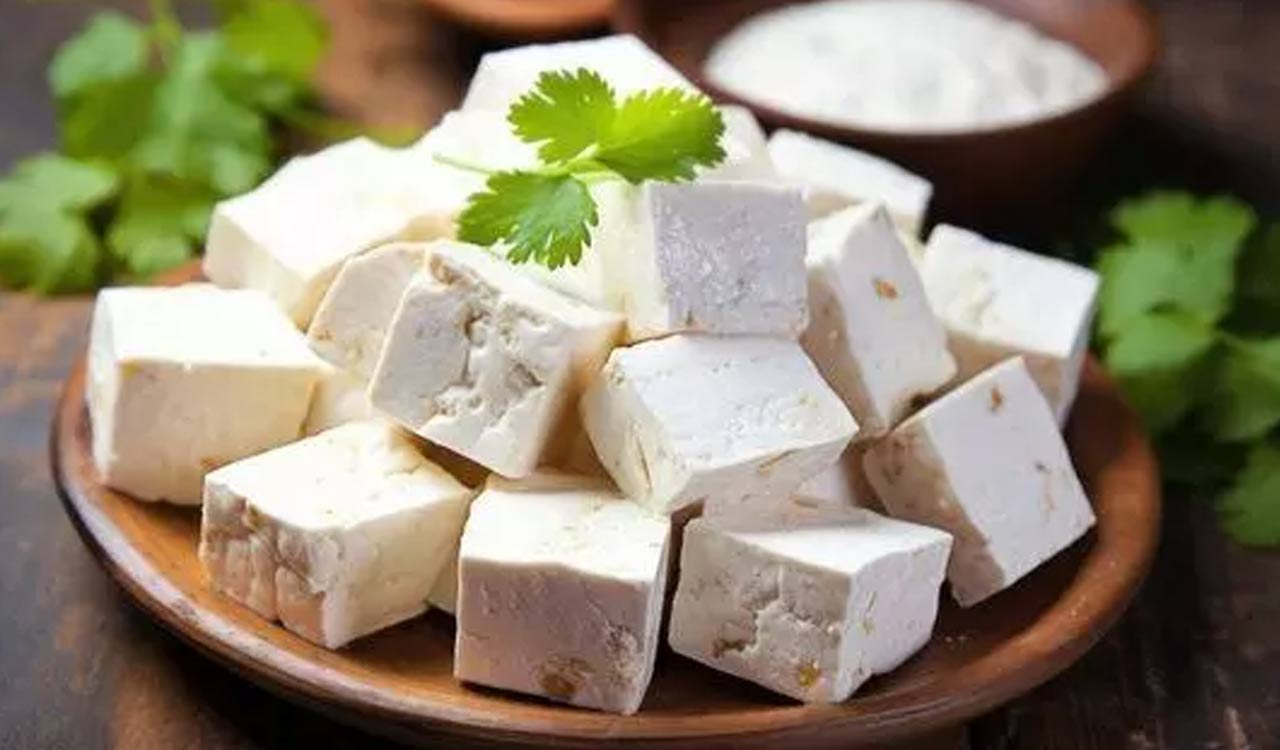


Hyderabad: In the coming months, customers in Hyderabad and other Indian metro cities could be able to tell whether their favourite ‘Paneer Butter Masala’ really contains paneer or a more affordable lookalike substitute.
The ground is being prepared by regulatory authorities to make it mandatory for all restaurants in metro cities to declare the use of ‘analogue paneer’ on their menus.
A few days ago, the food regulatory authorities in Maharashtra issued a directive for food establishments to clearly declare the use of ‘analogue paneer’ on their menus, paving the way for similar mandates in other metro cities initially, before a pan-India rollout.
While implementing such a directive across India is challenging due to the logistics and sheer manpower required, if introduced in urban centres, it would go a long way in boosting customer confidence in eateries, especially when it comes to paneer-based food items.
At present, across the country, the Food Safety and Standards Authority of India (FSSAI) does not ban the production or sale of analogue paneer, which is quite different from traditional dairy-based paneer. Under FSSAI rules, analogue paneer is a legal, non-toxic and standardised food item, provided all the necessary nutritional information is displayed on the food label.
The problem, however, arises when eateries use analogue paneer to prepare a dish but claim on their menus that the dish contains traditional paneer. Since the cost of producing analogue paneer is 50 per cent to 60 per cent lower than that of milk-based paneer, eateries have an economic incentive to substitute the two ingredients. As a result, customers consume the dish under the impression that it contains traditional paneer, but in reality it has analogue paneer, which is less nutritious.
Consumer health advocate Rohit Himatsingka (foodpharmer2 on X) believes that the ban on analogue paneer should be implemented across the country. “I think every State in India should adopt this rule, not just Maharashtra,” he posted on X on Friday.
At present, in Maharashtra, eateries will be penalised if they do not mention ‘analogue paneer’ on their menus.
“India’s restaurants and street vendors are filled with analogue paneer since it is cheaper. Last year, I conducted a lab test on 10 paneer samples. I chose branded, dairy, restaurant and street paneers. All of the restaurant and street paneers failed the test and were found to be analogue paneers. Real paneer is made from milk, but analogue paneer is often made using vegetable oil and starch, which has much lower protein,” he posted on X.

Related News