One nation, one policy, major overhaul for organ donation
India’s organ donation system is being overhauled under the ‘One Nation, One Policy’, with NOTTO centralising registrations, ending domicile rules and introducing a uniform allocation model to curb transplant tourism, improve transparency and ensure organs reach the most deserving patients nationwide.
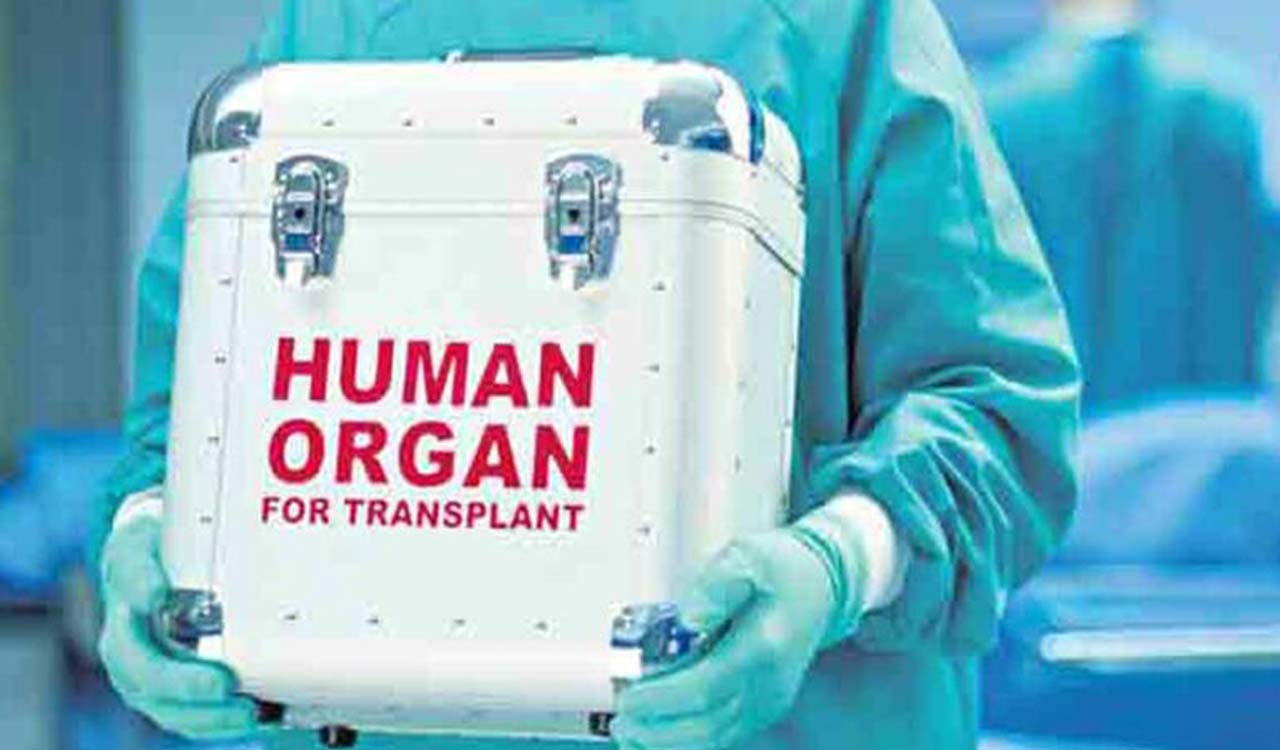


Hyderabad: Organ donation and transplantation across the country are undergoing a major overhaul with the implementation of ‘One Nation, One Policy’, aimed at cutting down organ wastage and curbing the practice of transplant tourism, where wealthy patients move to specific states with easier rules to jump ahead of local organ waitlists.
As part of this initiative, State organ donation bodies, including Telangana’s Jeevandan, are being integrated into the National Organ and Tissue Transplant Organisation (NOTTO). The NOTTO, under the Union Ministry of Health and Family Welfare, is now a single regulatory umbrella for the entire country.
A significant development that took place after NOTTO becoming a centralised body is the removal of domicile requirements. Earlier, States like Telangana and Tamilnadu required patients to be permanent residents to join their deceased donor registries. Now, any citizen can register for a donor organ in any State of their choice, creating a national pool for patients.
To stop the practice of patients registering at multiple Indian States, a practice popularly known as double dipping, the entire registration process is now centralised.
Patients are now assigned a unique NOTTO-ID, which is now mandatory for all transplants including living-related and deceased brain dead organ donation.
Senior officials from the State-run Jeevandan, which is also now part of the NOTTO, pointed out that such a centralized registration process enables real-time tracking of an organ from retrieval to the moment of transplant. Such a system ensures the process of transplantation is transparent and follows a single national priority list rather than different state-level rules.
Senior doctors familiar with the organ donation process said that a standardized allocation model is being prepared by the Union Health Ministry to ensure donor organs go to the person most in need, regardless of which hospital or state they are in. The NOTTO is in the midst of finalizing a 10-point advisory and a mathematical scorning system to replace the fragmented state models,” senior doctors said.
Important new advisory released by NOTTO for States:
- Organ allocation algorithm now includes bonus points for specific categories
- Extra points for women patients on the deceased donor wait list
- Priority for relatives of deceased organ donor
- Medical scoring system for kidneys and livers
- Patients will receive 1 point for every month on dialysis
- Children under 18 given automatic priority
- Points for tissue and blood compatibility to ensure transplant success
- Linking Aadhaar to NOTT-ID is mandatory for all patients
- Hospitals must report transplantation data to central registry in real time

Related News