Opinion: India’s foreign policy faces tougher tests ahead
The geopolitical headwinds India faced in 2025 signal harder times this year, as global conditions are likely to worsen before stabilising


By Monish Tourangbam
The year 2025 proved to be a tumultuous one, to say the least, for interstate relations. Rapid shifts in strategic alliances and partnerships tested the responses of countries with differential negotiating powers. India was no different, as practising strategic autonomy proved relatively more difficult with great power behaviours becoming more erratic. India’s internal resilience was tested to the hilt by economic coercion, regional instability and as the terms of engagement in partnerships became more uncertain.
Also Read
However, the geopolitical headwinds that India faced in 2025 are the same forces that should prepare the country for hard times ahead, as the external conditions that proved challenging in the past year are likely to become even more dire before they stabilise.
Fragile Interdependence
While the economic parameters of India showed an upward trend, and the country seemed to have leveraged its G20 success to push ahead with its Global South narrative, 2025 proved that geopolitical forces beyond New Delhi’s control could pose a daunting challenge. The primary objective of any foreign policy is to create an externally conducive environment for uninterrupted national growth, which includes, among other things, a stable political and security space conducive to predictability in economic relationships.
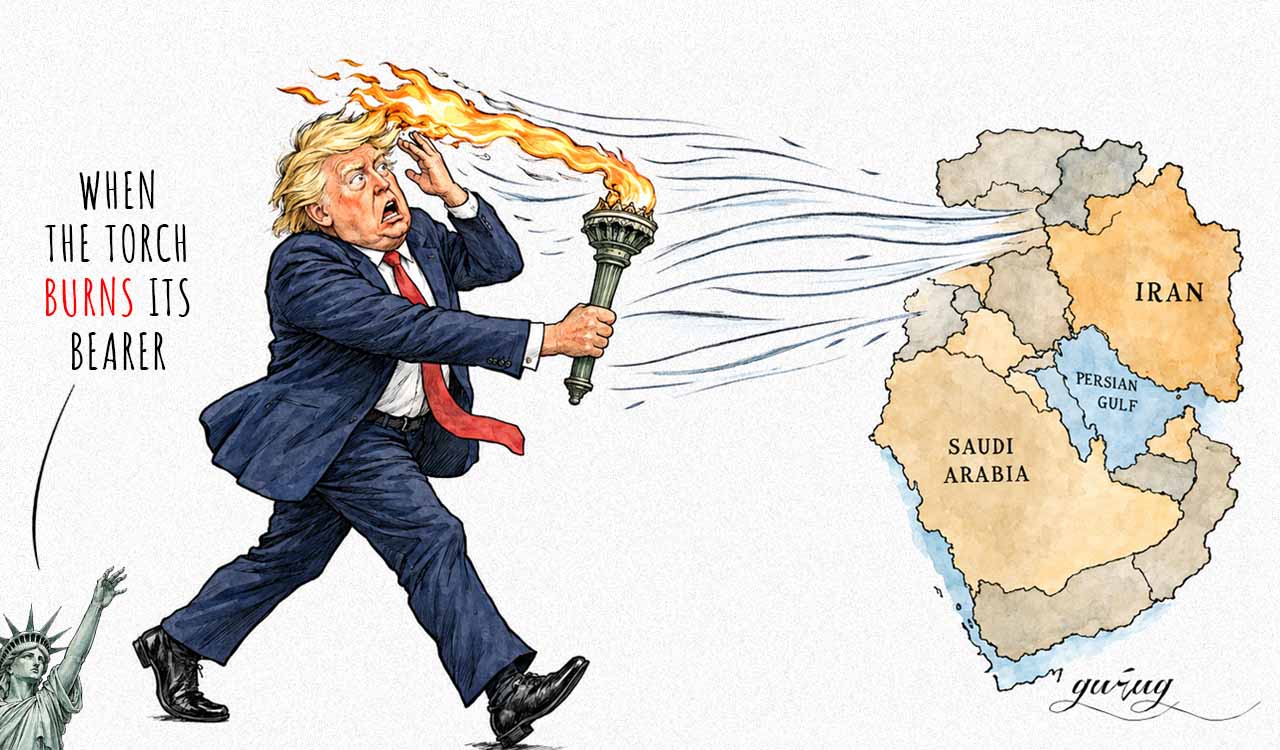
The year 2025 proved that the reverse is equally possible, as America’s trade and tariff policies under the Trump administration took a path that nobody could have really prepared for. The “Liberation Day” tariffs proved that shaking up the economic relationship could have a cascading effect on the stability of political dynamics and leadership chemistry.
India’s great power relations, particularly its Indo-Pacific strategies, had to adapt to the winds of change, sending strategic signals to Washington, doubling down on its partnership with Russia, and starting to reset its ties with China. Trump’s own “hot and cold” relationship with Moscow, the complex dance of trade war and the “G2” reference with China require New Delhi to keep revisiting its great power playbook.
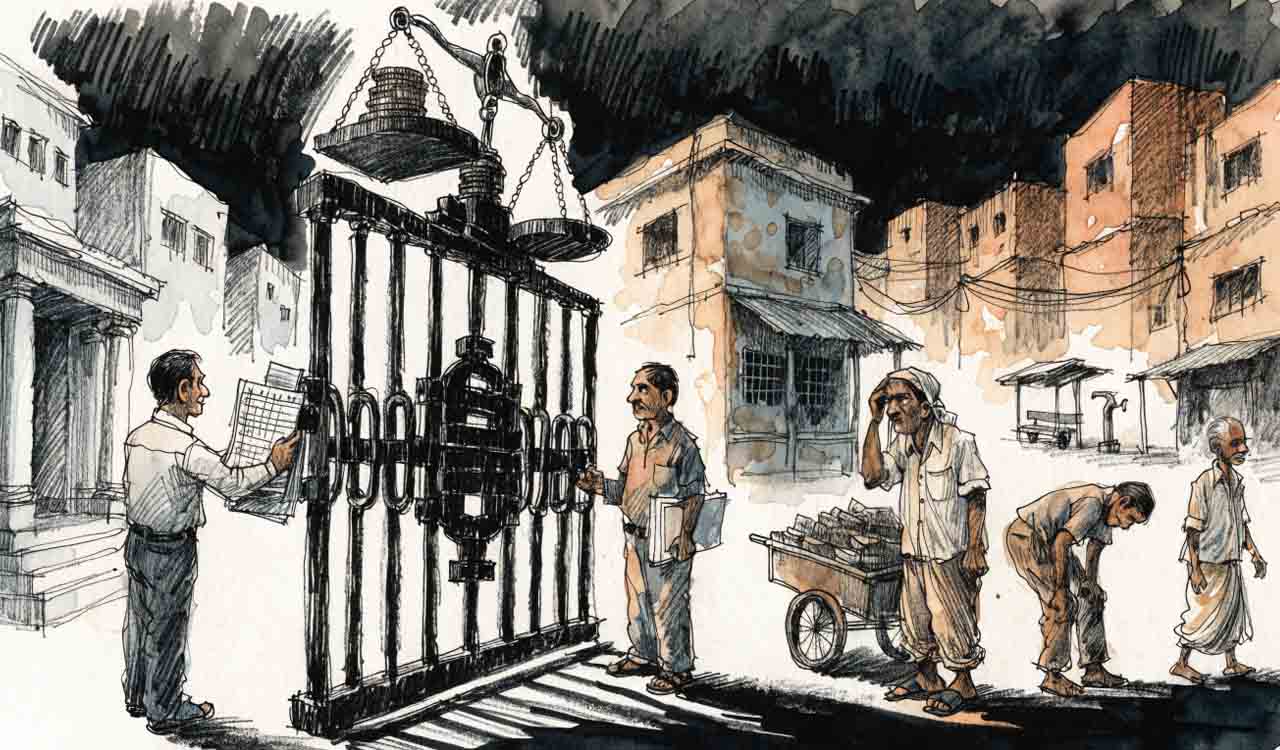
The new optics that emerged from the Shanghai Cooperation Organisation Summit in Tianjin will go through a test of substance as India takes up the BRICS presidency in 2026. The logic of interdependence is undergoing its own churn, as the same economic linkages that once ensured relative stability in relations are being weaponised as transactional tools of coercion. The downturn in the India-US “consequential” and “defining” partnership is a lesson that shared values and interests are not sacrosanct and can fall victim to the lure of short-term wins.
Dilemma of Geography & History
By dint of both geography and history, India’s destiny and its Viksit Bharat goals are tied to how it navigates its ties with its immediate neighbours in continental and maritime South Asia. Although not technically a South Asian country, developments in the politics, economics and security of a volatile Myanmar are also consequential for India’s foreign policy and internal stability.
India’s legitimate response to the heinous terror attacks in Pahalgam showed its strategic resolve to give a swift and proportionate response to the perpetrators plus supporters of such acts. However, the conflict and its aftermath also had lessons to follow in terms of winning the perception and narrative wars in diplomacy beyond the battlefields.
Despite “cautious optimism” and great power dynamics guiding the India-China relationship, structural tensions vis-à-vis the India-China border and China’s influence operations in India’s neighbourhood still pose significant challenges for any long-term stability in the relationship. Moreover, the year also saw rapid political changes in Bangladesh and Nepal, posing generational questions over the shape of things to come in these two neighbours with complex socio-political and economic linkages with India’s border states.
The downturn in the India-US ‘consequential’ and ‘defining’ partnership is a lesson that shared values and interests are not sacrosanct and can fall victim to the lure of short-term wins
The developments in Bangladesh, in comparison, have rapidly descended into acute security challenges, and 2026 will continue to test the nuanced disposition of India’s diplomatic toolkit in a sub-region that remains consequential to the future of India’s national growth and leadership potential in the broader Global South. India’s immediate neighbourhood is the most consequential and nearest Global South, and will require much more dexterity and nuance to address active upheavals amid managing more structural dilemmas of asymmetries.
Diversification Imperative
If a glossary of the most used words in international relations were made in 2025, the word ‘diversification’ perhaps would rank very high on the list, as countries, big and small, responded to Trump’s tariffs and economic arm-twisting with diversification policies suited to their own respective needs. Many strategic illusions came under test of fire, and India’s diversification strategies with a more eventual aim for stronger self-reliance cut across multiple sectors, including trade, energy supplies, defence ties, and broadly broadening the basket of its multi-alignment policy.
Such an outreach involved cross-sectional issues and geopolitical regions in Europe, partners in the Indo-Pacific region, in Africa, West Asia and in Latin America. India’s new drive and pace to negotiate tangible outcomes in free trade and comprehensive economic partnership agreements are testimony to this imperative to create new alternatives and traction. To what extent India can make its national goals “geopolitics-proof” will remain a preoccupation for its foreign policy planners. This exercise in risk mitigation and management is simultaneous with creating opportunities.
Maintaining continuity in the chaos, absorbing and adapting in a tense global environment when older rules of the road become redundant and newer ones are yet to materialise, without choosing sides and maintaining autonomy while engaging will test India’s juggling skills to the core. Creating short-term traction with a firm eye on long-term resilience will require a whole-of-nation and a whole-of-government effort to navigate the shifting supply chains of goods and services. The new year will be no less, if not more challenging than the one gone by.
Fractures in global trading arrangements, domestic fissures producing foreign policy faultlines, ambiguity in great power tensions, and regional conflicts with global ramifications will see uncertain metamorphoses. India’s growth parameters will most likely be on the upward trend, but it will still have to face the strategic consequences of power asymmetry with countries more materially endowed than itself. New Delhi’s foreign policy in regions closer home will not come easy, as it attempts to create leverage for its own leadership role, more particularly in the Global South.
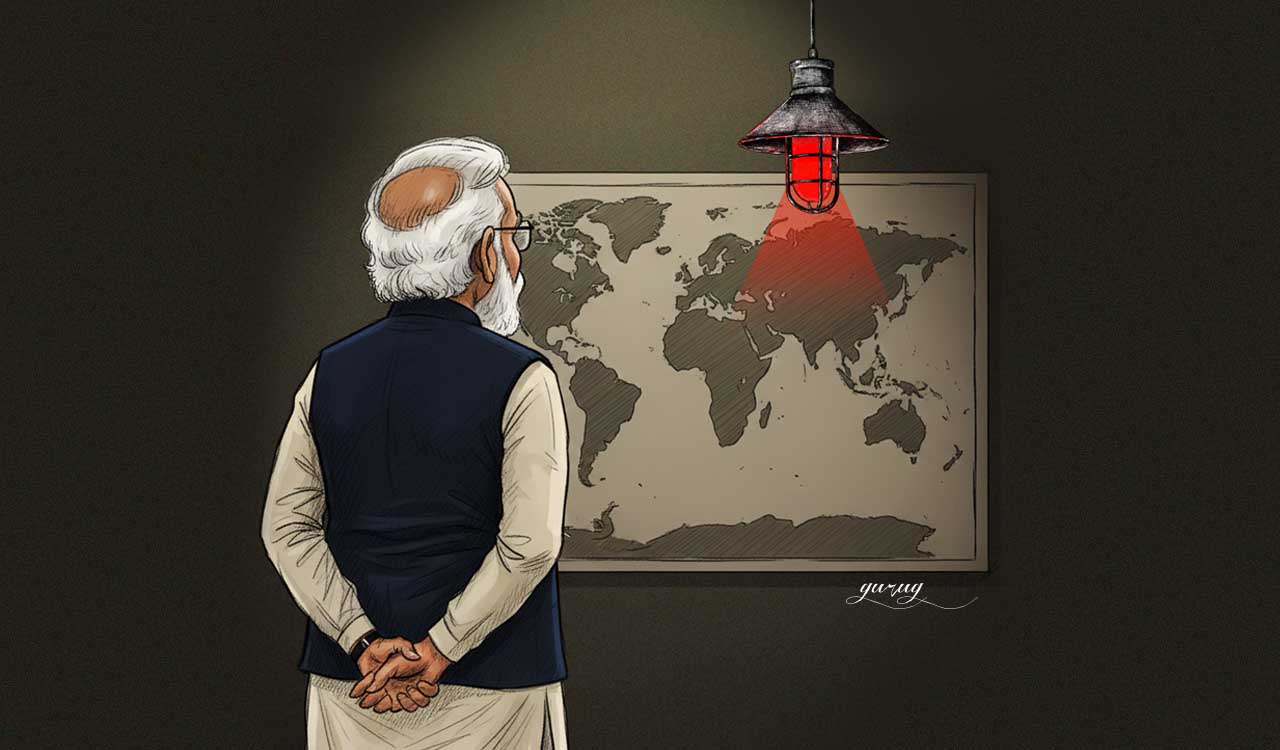
As India steps into a year filled with structural and tactical challenges, lessons from the past year would be critical in facing the shape of things to come. From a big picture perspective, 2025 has proved that practising strategic autonomy is a constant, round-the-clock negotiation with powers both large and small, requiring India to constantly re-examine and reassess its foreign policy toolkit and how it is deployed.

(The author is a Fellow at the Chintan Research Foundation [CRF], New Delhi)

Related News