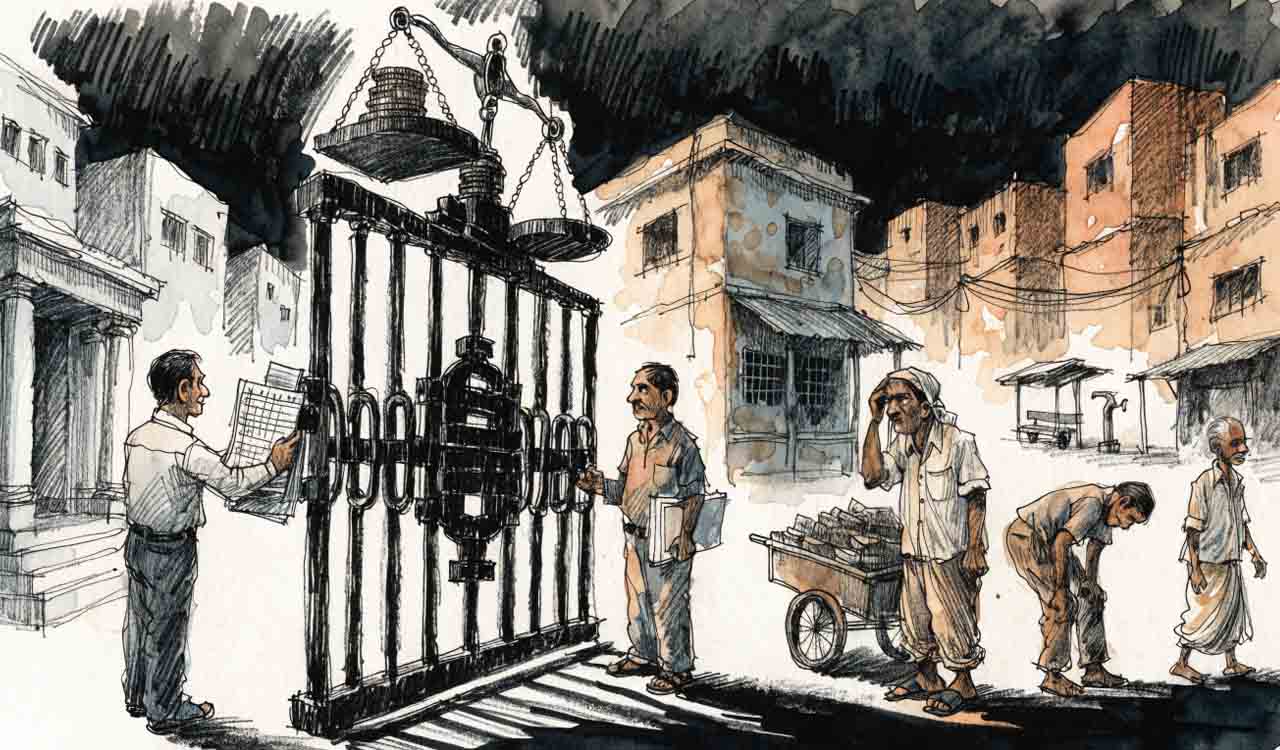
Opinion: Judicial independence versus Lokpal scrutiny
Judicial independence is essential to uphold the rule of law as it ensures that legal decisions are made based on facts and not on external pressures


By Dr Ahmed Raza
The Lokpal’s recent decision to include High Court judges under its anti-corruption purview, outlined in its 27 January order, has raised concerns about the potential threat to the judiciary’s independence. The decision, which was initially aimed at improving accountability and reducing corruption, has been met with mixed reactions.
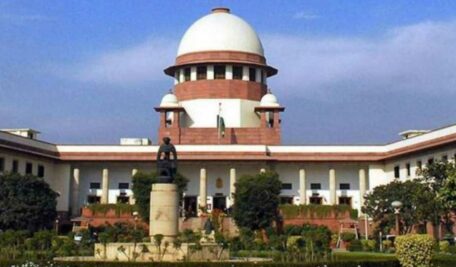
The Supreme Court’s decision to stay the Lokpal order, citing the disturbing interpretation it might set, brings to the forefront the delicate balance between ensuring judicial accountability and protecting the Judiciary’s independence. The issue lies not just in the technicalities of the legal interpretation but in the broader implications for the relationship between the Judiciary and other branches of the government.
The Judiciary has long been considered a pillar of democracy, with the ability to act as a check on the Executive and Legislature. The independence of the Judiciary is fundamental to the effective functioning of this check-and-balance system. When judges are subjected to external oversight mechanisms like the Lokpal, which primarily focuses on corruption within governmental bodies, it threatens to erode public confidence in the judicial system.
Jurisdiction of Lokpal
The Lokpal’s jurisdiction covers the Prime Minister (PM), Ministers, Members of Parliament (MPs) and Central government officers from Groups A, B, C and D. It includes the PM except in matters related to international relations, security, atomic energy, space and public order. The Lokpal does not have the authority over Ministers and MPs concerning statements made or votes cast in Parliament.
The Lokpal also has jurisdiction over civil servants and bureaucrats, including directors, managers and secretaries of entities set up by central law or financed/controlled by the central government. It extends to those involved in bribery or abetment of corruption.
Additionally, the Lokpal Act requires all public officials to declare their assets and liabilities, along with those of their dependents. It holds the power of superintendence over the Central Bureau of Investigation (CBI) and can direct its actions. If a case is referred to the CBI by the Lokpal, the investigating officer cannot be transferred without the Lokpal’s approval.
Independence versus Scrutiny
SC judges are public servants under the Prevention of Corruption Act but are not public servants under the Lokpal Act. The SC was established by the Constitution. High Courts pre-existed the Constitution and are only ‘recognised’ by it. A judge of an HC will come within the ambit of the expression ‘any person’ in Section 14 (1) (f) of the Lokpal Act. Hence, the fundamental question is whether such external scrutiny could lead to undue influence on judicial decisions, with the potential for political or other extraneous factors to affect impartiality.
The Lokpal order, in its bid to include judges under its ambit, seems to be driven by the perception that no institution should be beyond scrutiny, including the Judiciary, which plays a crucial role in interpreting and enforcing laws. The Lokpal order says that High Court judges are ‘public servants’ and come under the Lokpal and Lokayuktas Act of 2013. However, the proposal to bring judges under the anti-corruption ombudsman could set a troubling precedent for the relationship between the Judiciary and the Executive.
The SC’s stay on the Lokpal order is a reminder that a delicate balance must be struck between transparency and judicial independence
Judicial independence is safeguarded by a series of constitutional provisions and norms, ensuring that judges are insulated from external pressures that could influence their decisions. If judges were to be subjected to the scrutiny of an external body like the Lokpal, there is a risk that their decisions could be questioned or influenced by factors unrelated to the case at hand. This could fundamentally alter the way the Judiciary functions, not necessarily for the better, but in ways that could compromise its impartiality and integrity.
Protecting Independence
While it is important to hold all sectors accountable, subjecting judges to external scrutiny by an agency like Lokpal could weaken judicial authority. This is a serious issue because the Judiciary must be free from outside influences that could affect its fairness and impartiality.
Judicial independence is essential for upholding the rule of law as it ensures that legal decisions are made based on facts, evidence and legal principles, not on outside pressures. Without this independence, the entire legal system could be in danger as people might lose trust in the system.
Though tackling corruption within the judicial system is undoubtedly a worthy cause, the proposed inclusion of High Court judges under the anti-corruption ombudsman could inadvertently compromise the sanctity of the Judiciary.
We must find ways to ensure accountability within the judiciary without jeopardising its autonomy. Any attempt to undermine this independence can have detrimental effects on public trust in the system, and ultimately, on the very foundation of the rule of law. Hence, it is essential to consider alternative mechanisms that maintain the sanctity of the judicial process while ensuring that corruption, wherever it may exist, is addressed with due care and respect for the fundamental principles of the Constitution.

(The author is Assistant Professor, Department of Public Administration, Maulana Azad National Urdu University MANUU [a central university], Hyderabad)

Related News