Opinion: Fix the Third Pillar problem
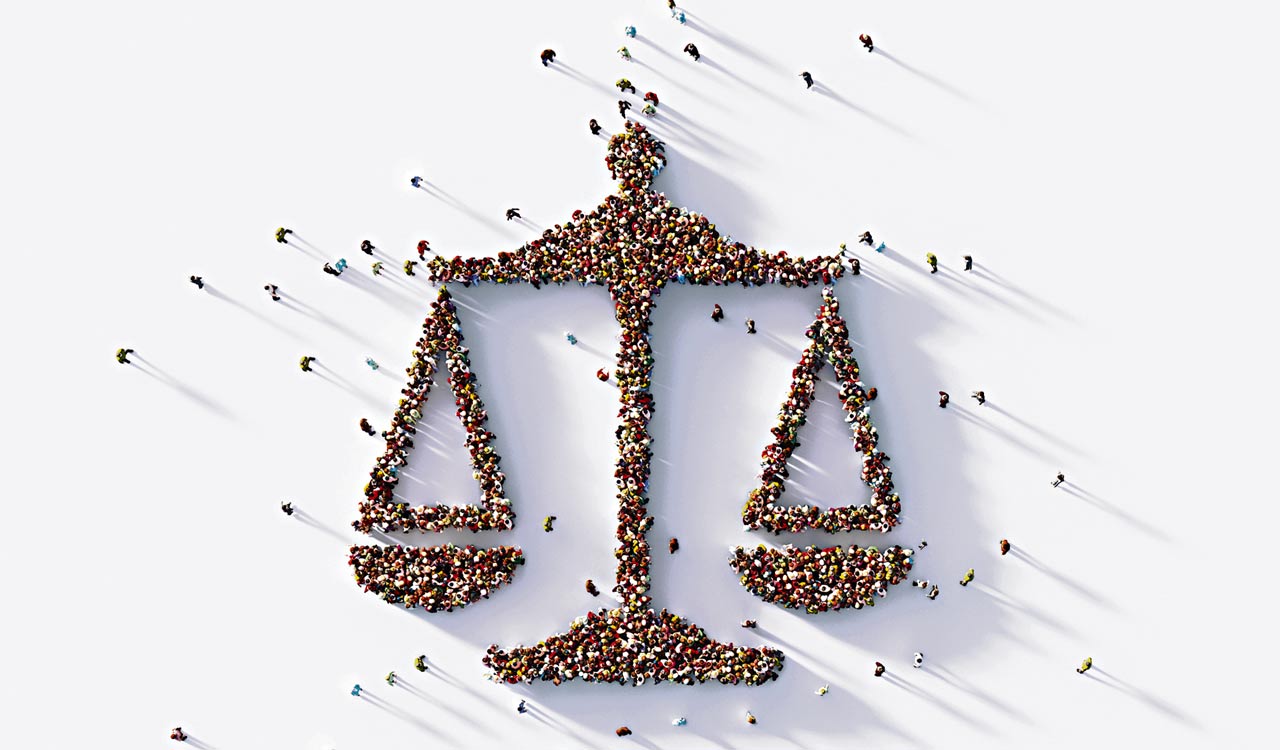
Special judicial courts for political leaders facing charges can expedite the cases so that they can be convicted or cleared of charges in a timely manner


By Sushiila Ttiwari
My recent article in these columns – https://telanganatoday.com/opinion-why-im-not-over-the-moon – elicited several suggestions from my readers on various platforms. They said it’s easy to sit and criticise and asked me if I had any better suggestions or solution.
When we talk of development, instant quick fixes may get you excited in the short run, but it’s always change at the grassroots that delivers long-term dependable results. A leader is only an outcome of an embryo and its further development into an infant, child, youth, and adult.
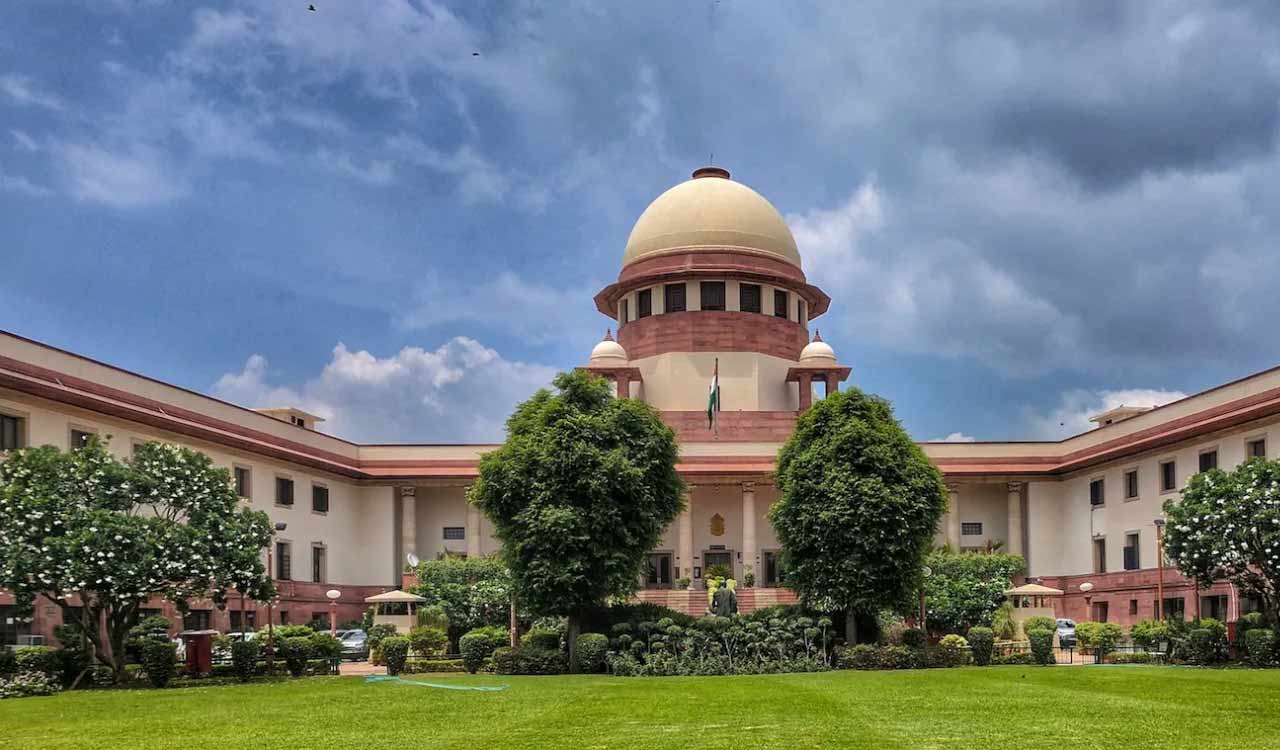
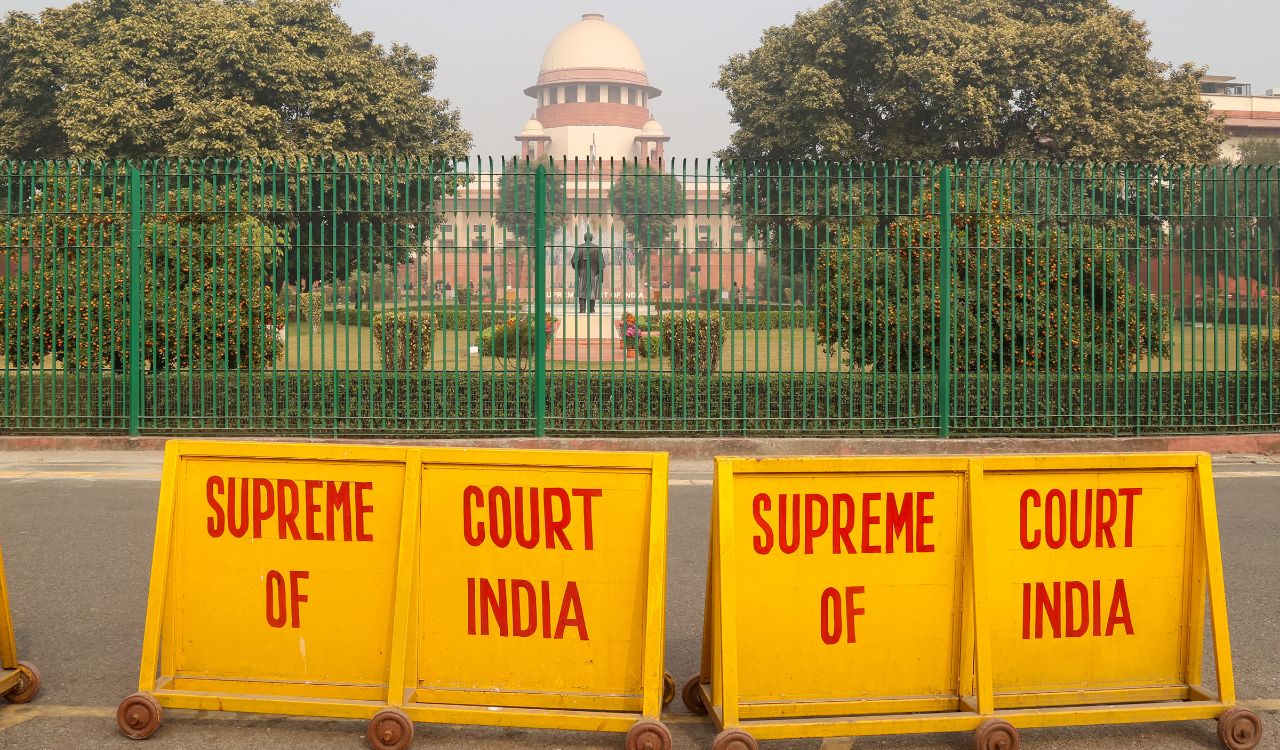
India’s democratic framework rests on four pillars: the legislature, the executive, the judiciary and the media. It’s the judiciary that ensures the application of the law and safeguards citizens’ rights. However, recent trends suggest that this crucial Third Pillar is facing significant challenges, leading to a perceived lack of fear of the law in India. In India, Indians “do not fear the law”.
The Problem
Why don’t Indians fear the law in India? Simple. Cases drag on for years and decades, often 20 to 30 years. That means there is no immediate threat of punishment. This has far-reaching and disastrous consequences for a community, and eventually, a nation. Justice delayed is justice denied.
There is a staggering backlog of 30 million cases in India’s court system – four million of them in the High Courts, and 60,000 involving the Supreme Court.
This figure keeps rising every year. There are nearly 400 vacancies in the high courts and 35% of the posts are lying vacant in the lower judicial level.
This erosion of trust and inefficiency within the judiciary has far-reaching consequences.
The Consequences
Socioeconomic: Businesses depend on a robust legal framework for contract enforcement, property rights, and dispute resolution. But business disputes take years to reach a conclusion. This affects businesses, discouraging both domestic and foreign investments, and hampers economic growth.
In the latest EODB report by the World Bank, India ranked a dismal 164 in the category of enforcing contracts. It takes, on average, almost four years to enforce a standard sales agreement in a local court (only a year and four months in China) and costs up to 31% of the claim’s value.
The quality of work in every sector, especially in contracts related to government projects, is compromised. Be it a product or service, fraud and jugaad have become common because they know they can get away under the current judicial system. However, if speedy justice was delivered in such cases within a year or two, then they would fall in line.
The common man, who seeks justice as a fundamental right, bears the brunt of an ineffective judiciary the most. Ordinary citizens often find themselves caught in the labyrinthine legal system, entangled in complex cases that span years or even decades. The emotional, financial and psychological toll of prolonged litigation can be crippling, leading to a sense of disillusionment and helplessness.
The social fabric also bears the brunt of an ailing judiciary. Cases involving violence against women, human rights violations and discrimination languish in the courts, perpetuating the suffering of victims and survivors. Delays in these cases not only deter justice but also embolden perpetrators, fostering a culture of impunity.
Political: The political sphere is not immune to the consequences of a sluggish judiciary. Corruption finds fertile ground in a sluggish judiciary. Delayed cases allow the influential to manipulate the system. Cases of criminal misconduct involving politicians often drag on for years, allowing the accused to continue holding public office. This contributes to the erosion of public trust in the political system and nurtures a sense of injustice among citizens.
Geoeconomic: When the neighbouring nations realise the system of another nation is functioning strongly, investors are encouraged to do business with the people of that nation. This applies to the policy of “ease of doing business” in the country, and by that, we do not mean the government has to change its policies or favour certain nations. We just expect our system to function in a way that everyone can approach the system in case of roadblocks while doing their business. This also encourages Indian startups and MSMEs to do their business peacefully knowing that they cannot be exploited by bigger sharks in the industry via delayed or no payments on contracted agreements.
The Remedies
To remedy these pressing issues and revitalise the judiciary, a multi-pronged approach is imperative. First and foremost, substantial investment is needed to augment the infrastructure of the judiciary. This includes increasing the number of courts, judges, and support staff, as well as leveraging technology for smoother case management. Specialised courts for specific categories of cases can expedite the resolution process. For instance, special judicial courts for political leaders facing charges can expedite the process so that they can be convicted or cleared of charges in a timely manner.
Additionally, there is an urgent need to address the appointment process for judges. Transparency, accountability and meritocracy must be the guiding principles in judicial appointments, ensuring that qualified and capable individuals fill the benches. Ensuring timely promotions and career progression can also motivate judges to perform optimally.
Alternative dispute resolution mechanisms, such as mediation and arbitration, can help alleviate the burden on traditional courts and expedite the resolution of cases. Encouraging pre-litigation mediation can prevent disputes from escalating into protracted legal battles.
Increasing legal aid and awareness programmes can empower citizens to navigate the legal system more effectively. The common man should have access to affordable legal assistance to ensure that justice is not a privilege for the few but a right for all.
A common concern often raised by people is that India is a huge country and, to boot, now it’s the most populated country in the world. But this is the same India that banned Rs 500 and Rs 1,000 banknotes overnight that constituted 86.4% of the total worth of banknotes in the market, stripped a state of Article 370 overnight, implemented Aadhaar in 90 days, and boasts of QR technology, so surely it can take steps to strengthen the Third Pillar of its very foundation.


Related News
-

Supreme Court stays probe against Pinarayi Vijayan in CMRL bribery case for a week
-
YSRCP hails Supreme Court directions on Andhra Pradesh local body polls
-
AP civic polls: SC asks state election body to defer publication of final candidates’ list
-
Supreme Court clarifies legal route for complaints against elected candidates