Opinion: Musi rejuvenation — prioritising people or real estate?
Saving the Musi cannot mean displacing communities; true development must respect the city’s identity, people, and inclusive progress


By Dr Arroju Srinivas
The Musi River is an integral part of Hyderabad’s history; it reflects the city’s very soul. Protecting the river is, in essence, protecting the city itself. Once a vibrant source of sustenance and a major tourist attraction, the Musi has, due to decades of neglect, encroachment, and the influx of sewage, degenerated into a cesspool. Today, there is a universal aspiration among the public to see this river rejuvenated.
Also Read
However, the ‘Musi Beautification’ project, an ambitious initiative of the current government, has sparked intense debate and apprehension across the city.
A glance at the history of the Musi River within the context of Hyderabad reveals the underlying causes of its current plight. It was the Musi River that nurtured and sustained this metropolis on the Deccan Plateau. It was believed that anyone who came to Hyderabad to make a living and drank its water would find their beauty and health enhanced manifold. Yet, the rulers of united Andhra Pradesh, who governed this city for 60 years, grossly neglected the river. They indiscriminately handed over lands surrounding the river to unscrupulous profiteers. Consequently, over time, the river was reduced to little more than an open sewage drain.
BRS Initiative
Following the formation of Telangana, efforts to restore the Musi gained momentum. With the establishment of sewage treatment plants, the foul odour from the river has significantly diminished in several areas.
As part of its urban infrastructure initiatives, the previous BRS government formulated a comprehensive plan to revitalise the river, allocating Rs 16,000 crore. Under this, beautification works spanning approximately six kilometres in the Uppal and Nagole areas were completed. And all this without demolishing a single residential structure or causing environmental harm.
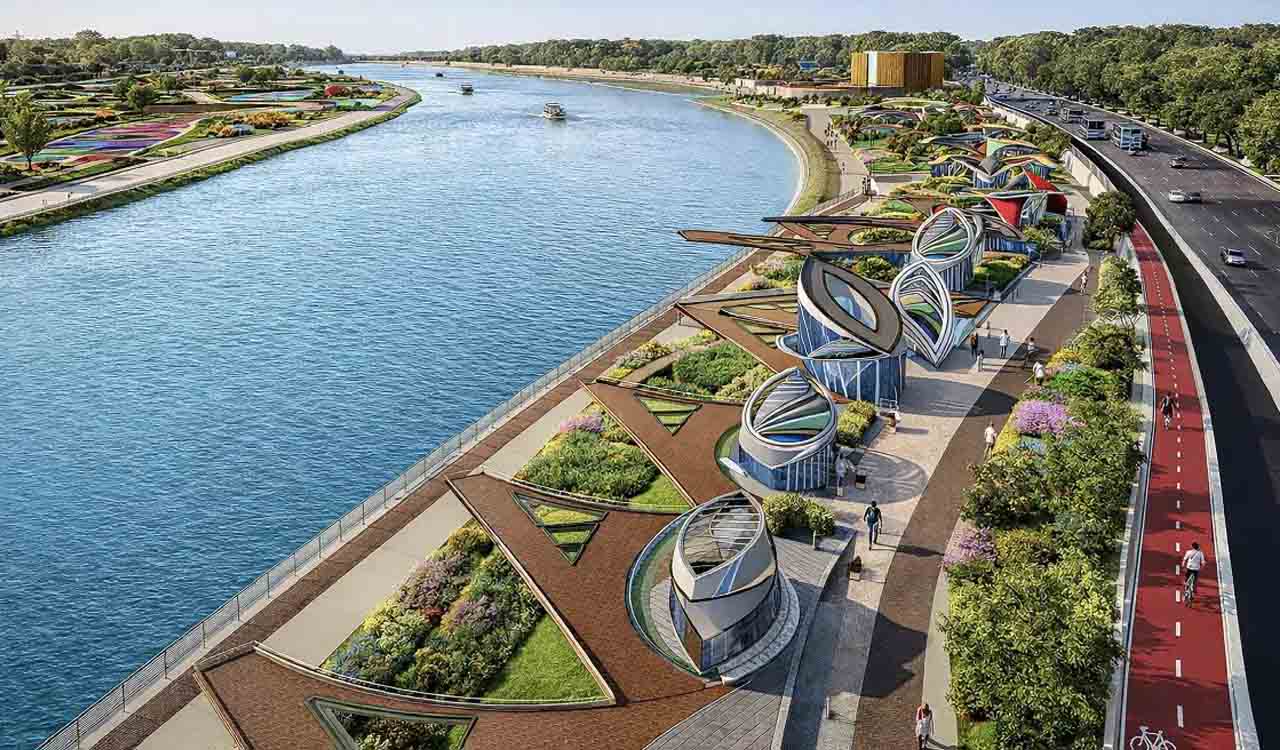
This project included sewage treatment plants, expressways, check dams, parks, and cycling tracks. A strategy was devised to channel fresh water from the twin reservoirs, dating back to the Nizam era, and utilise waters from the Krishna and Godavari rivers when necessary. The overarching goal was to restore the river to its former glory.
Massive Cost
However, the massive Rs 1.5 lakh crore budget proposed by the current government has raised serious concerns with intellectuals, economists, and the general public raising a pertinent question: if a mega-project like ‘Namami Gange’— which spans several hundred kilometres — costs Rs 42,000 crore, why does the Musi — stretching just 55 km — require Rs 1.5 lakh crore?
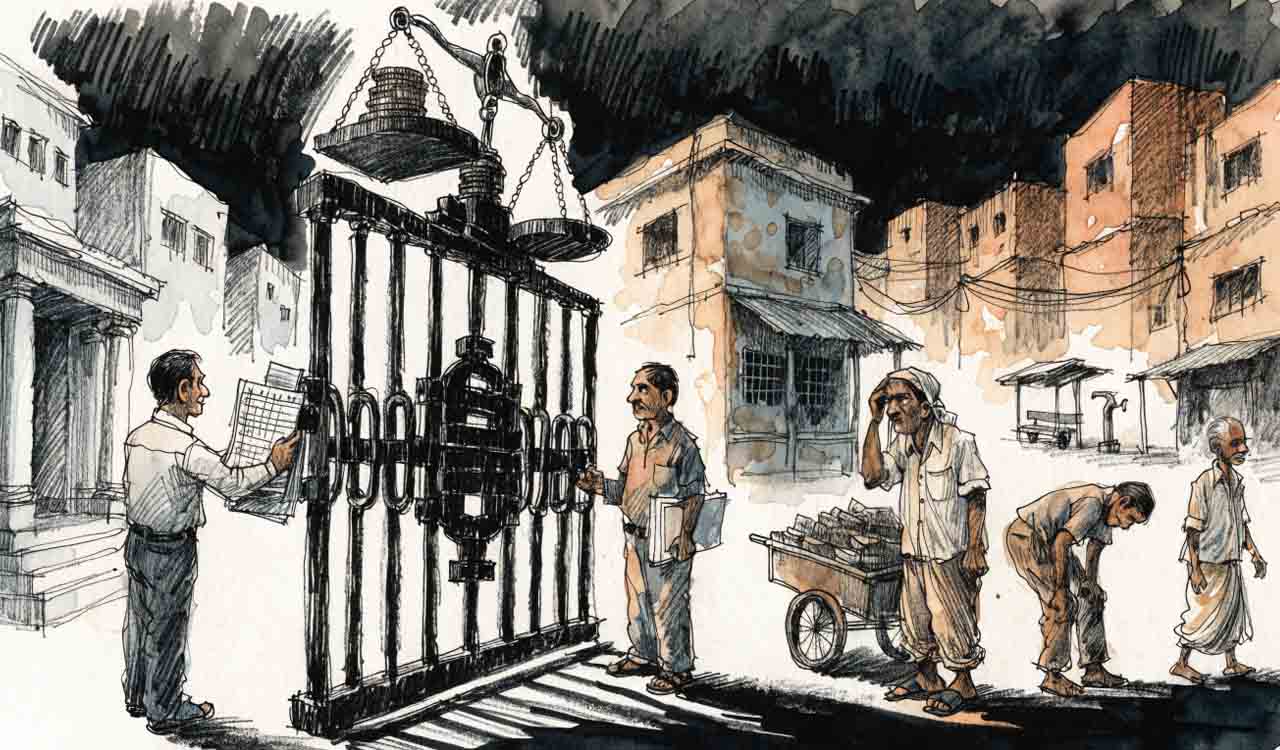
Any development initiative must ultimately serve the people. However, the decision to demolish the homes of thousands of poor families under the guise of the ‘Musi Project’ has met with strong opposition. Affected residents and opposition parties argue that issuing sudden notices under the pretext of a ‘buffer zone’ without conducting a Social Impact Assessment and consulting stakeholders is unjust. The government’s strict stance on demolishing homes of the poor, contrasted with its apparent leniency toward influential individuals and developers, raises questions about fairness.
Allegations that the project is driven by real estate interests —particularly regarding the acquisition of 3,300 acres — have gained traction. Excessive spending on consultancy firms, coupled with a lack of transparency, has further complicated the situation. If this initiative is truly being undertaken for the benefit of the city and for the rejuvenation of Musi, why not adopt the earlier Rs 16,000 crore plan, which avoided public displacement?
Lessons from Other Projects
In Ahmedabad’s Sabarmati Riverfront project, a relatively small number of people were relocated and provided improved housing. Of the 202 hectares reclaimed, only 14% was sold to private developers; the rest was developed for public use, specifically for the creation of parks, roads, and public plazas. The first phase of that project, spanning 11 km, was completed without imposing a financial burden of even a single rupee on the government. Similarly, Pune’s Mula-Mutha Riverfront project, costing Rs 4,727 crore over 44 km, focuses on green infrastructure, urban forests, and flood-resilient design.
If a mega-project like ‘Namami Gange’— which spans several hundred kilometres — costs Rs 42,000 crore, why does the Musi — stretching just 55 km — require Rs 1.5 lakh crore?
In Seoul, the Cheonggyecheon Stream restoration — spanning 10.9 km — was completed at a cost of approximately Rs 3,100 crore and stands as a model of sustainable urban renewal. Ironically, a Congress government delegation, comprising ministers, had visited the city to study the project.
No other riverfront development project has ever involved land acquisition on such a massive scale. The proposed acquisition of 3,300 acres has raised fears that the project prioritises commercial development over environmental restoration. Riverfront development projects undertaken in recent times have emphasised environmental conservation, providing citizens with a healthier natural environment. In contrast, the Musi project appears to prioritise land acquisition and commercialisation, including plans for a “night economy”.
The rejuvenation of the Musi is not merely an infrastructure project; it is deeply tied to the identity and sentiments of Hyderabad’s people. While cleaning the river and preventing floods are essential, such efforts must not come at the cost of human suffering. Saving the river is tantamount to saving the city itself. And saving the city implies safeguarding its people, their habitats, and their homes. Claiming to save the river while displacing the entire populace and destroying the city is, by no means, comprehensive development.
People must remain at the very centre of any development initiative. Crucially, the development of the river basin areas must be both environmentally sustainable and oriented toward the public welfare. If the government genuinely desires urban development, it must refrain from adopting an obstinate stance; instead, it should engage in dialogue with the affected parties to seek a middle ground. True development should be based not on destruction, but on inclusive progress.
(The author is President, Telangana Adhyayana Samalochana Kendram)

Related News