Opinion: Police Martyrs—the dead and the living
Honouring martyrs and recognising the sacrifices of serving police personnel will go a long way towards uplifting the morale of the force


By B Maria Kumar
Everyone is a student of philosophy. This statement is relevant in the context of Cicero’s observations on the purpose of life. In the first century BC, he asserted that ‘to study philosophy was nothing but to prepare oneself for death’. His opinion appears valid in the sense that there is only one certainty in human existence, and that is death.
Also Read
Deliberately or involuntarily, every person is preparing for this inevitable end, with or without full awareness of its arrival. When we speak of those who serve the nation with full awareness of the possibility of death, we immediately think of members of the defence and police forces because they know that any moment in their careers may involve premature death, especially while fighting enemies at the borders or dealing with terrorists, insurgents, extremists, dacoits, organised gangs and other dangerous criminals, respectively.
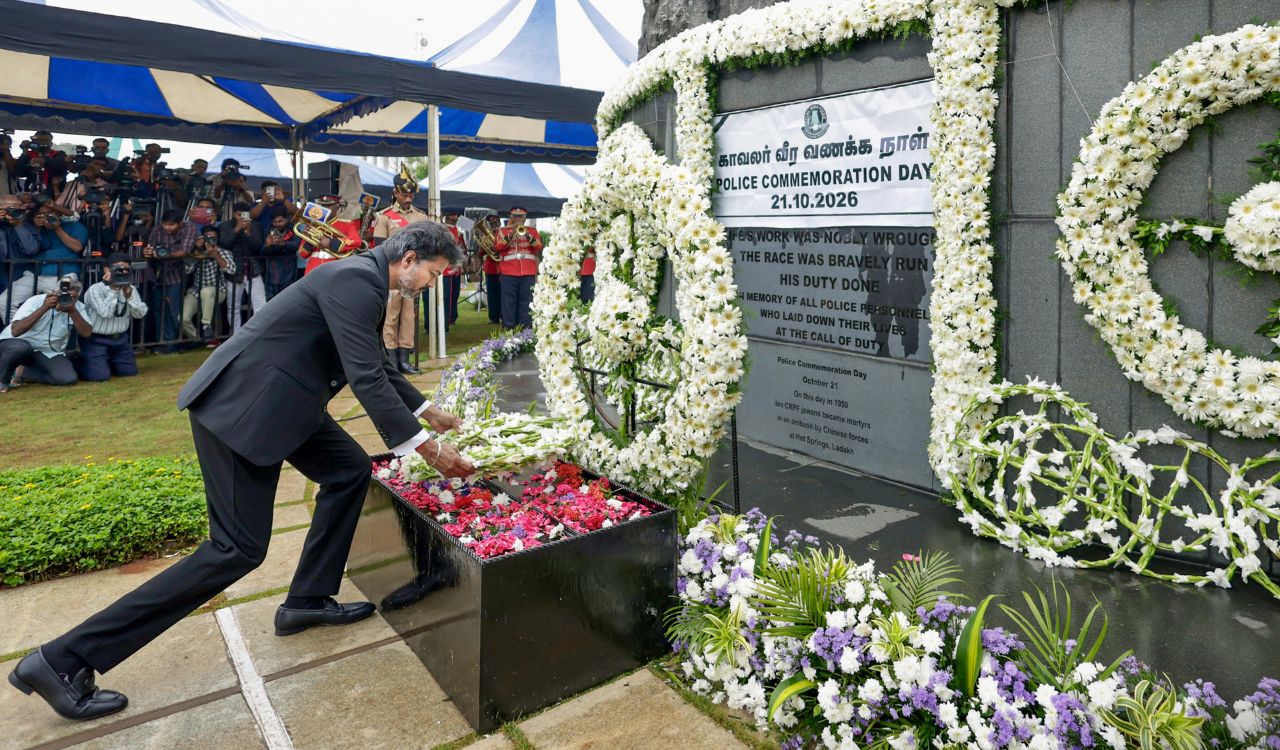
Police Commemoration Day
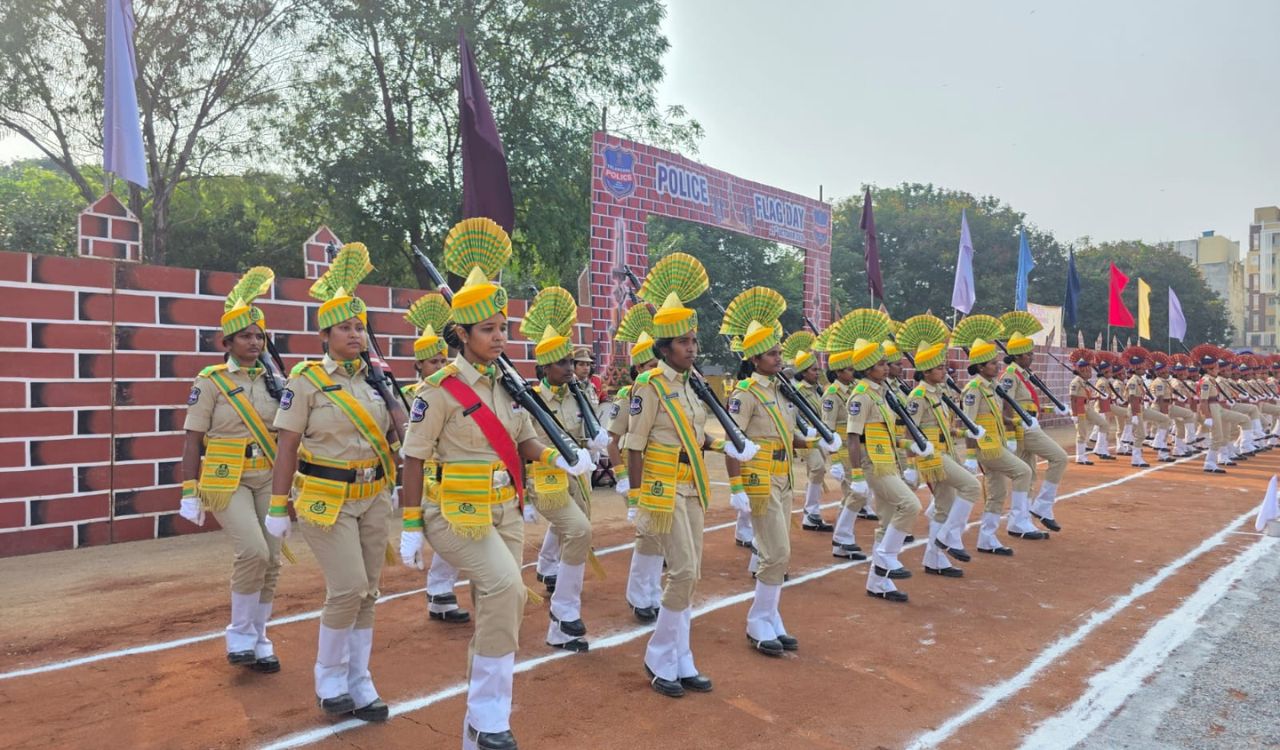
While the defence forces have their own conventions of honouring fallen soldiers in the line of duty, police forces in our country observe 21 October every year as ‘Police Commemoration Day’, on which the nation pays tribute and expresses gratitude to members of the central and State police forces who laid down their lives while performing their duties in protecting life, property and society in general from the tyranny and threats of antisocial and antinational elements.
Reports suggest that the combined central and State police forces suffered substantial losses in the line of duty in 2025. This reality makes it all the more important to emphasise how difficult it is for them to carry on their daily duties while playing hide-and-seek with grave eventualities to ensure public peace, order and safety.
At the same time, it is an undeniable truth that not all police personnel possess a spirit of humane character. However, such individuals constitute a relatively small proportion of the larger force. Since police personnel are drawn from society at large, which comprises both good and evil individuals, police forces are no exception.
Nevertheless, this fact does not legitimise such abhorrent traits. That is why stringent disciplinary procedures and penalties for misconduct, regardless of its severity, are provided for, in addition to criminal proceedings wherever warranted.
Unfortunately, because of a minor segment of personnel of questionable conduct, the image of the entire police force is often seen as reprehensible. Such negative impressions tend to become ingrained in public perception, making people hesitant to cooperate with the police during criminal investigations, law and order matters, and many other situations.
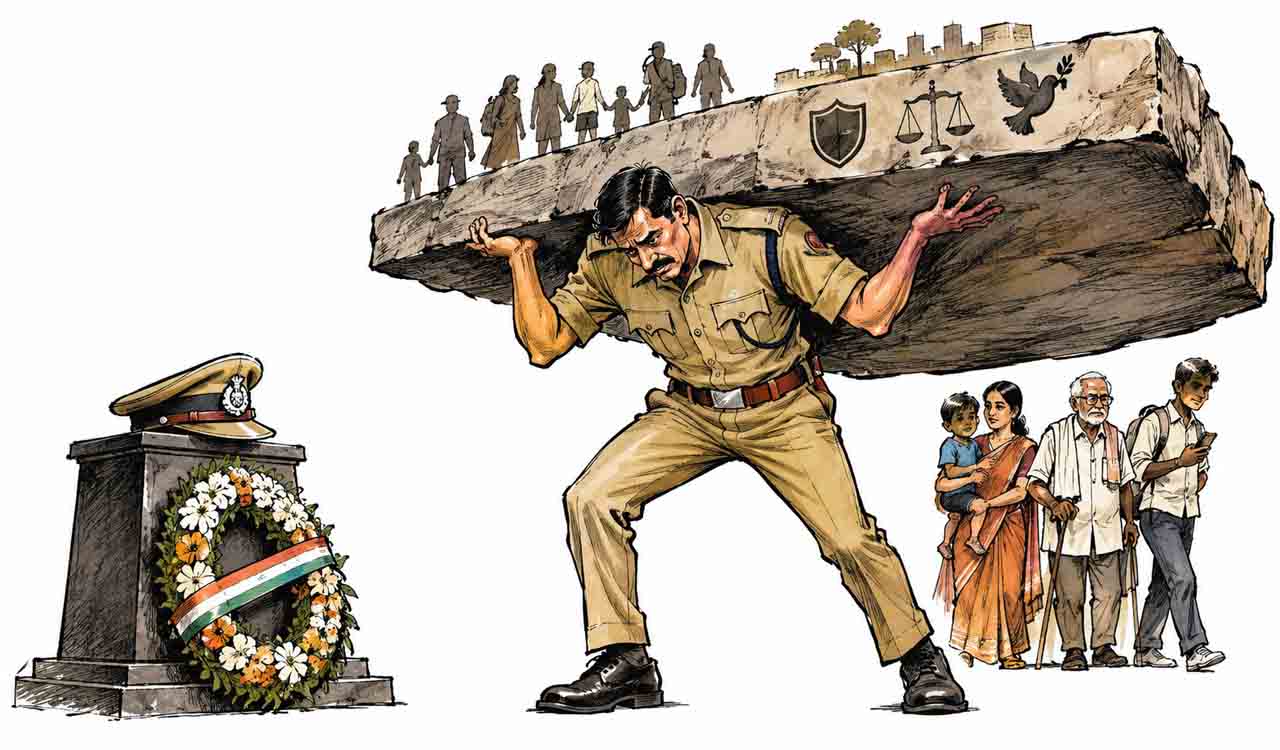
While fallen police personnel make the ultimate sacrifice and remain forever honoured by the nation, their serving colleagues endure daily hardships, facing recurring uncertainties with optimism, often at great personal cost
Consequently, policing as a profession suffers from an unfavourable reputation despite the sincerity of personnel who perform their duties properly, often at the cost of their family lives and peace of mind. This is where good policing paradoxically becomes a victim of its own success, as hardly anyone appreciates the severe hardships police personnel endure in preventing crime and ensuring harmony among the public.
Recalling Orwell
The difficulties associated with exercising police authority under law were vividly expressed by George Orwell, the famous author of Nineteen Eighty-Four and other thought-provoking works. During his tenure in Burma as an officer of the Indian Imperial Police from 1922 to 1927, he experienced firsthand the pressures of maintaining law and order.
In his essay ‘Shooting an Elephant’, he explained how he felt trapped between his personal limitations and the expectations of the people he was required to police. His five years of service in khaki uniform exposed him to acute mental stress, leaving him disillusioned and conscious of the existential and emotional strain associated with his professional life.
His observations, made nearly a century ago, concerning the arduous nature of performing police duties and responsibilities find some reflection in research studies which have identified policing as a highly stressful profession, making personnel vulnerable to cardiac and other serious health problems during their service.
Giving up one’s life for the altruistic cause of protecting people is the supreme act of sacrifice that elevates an individual to martyrdom. Freedom fighters, members of the defence forces, central and State police personnel, and those who lay down their lives championing human rights fall squarely into this category.
Serving Personnel
There is, however, a second category of individuals who may not become traditional martyrs but relentlessly struggle to preserve security, freedom, dignity and justice in society. They consciously surrender much of their personal liberty and comfort so that others may live freely and enjoy their rights without fear. They are the serving police personnel.
Sacrificing health, freedom, family life, festive celebrations and happiness usually involves intense agony, anguish and suffering. Such sacrifices are real in the personal and professional lives of police personnel, who undergo ordeals akin to martyrdom rather than merely giving up certain comforts.
In other words, the fallen laid down their lives as the ultimate sacrifice, paying once but remaining forever remembered and honoured by the grateful nation. In contrast, serving police personnel pay daily as they face recurring uncertainties with optimism, often at great personal cost.
There is another important aspect of police duties and responsibilities that elevates policing to yet another noble level, and that is the endeavour to preserve amity and fraternity among people. Police personnel are required to uphold the greater good of harmonious living among various groups and individuals. Although other institutions also contribute to this objective, the police have a distinctive legal mandate to maintain public order and protect the conditions necessary for peace in society.
This responsibility is closely related to the very purpose of human existence, which can be described through the concept of synestism, meaning existing together. In this sense, policing acquires a deeper philosophical relevance because it helps preserve the coherence essential for human coexistence. In this context, the contribution of serving police personnel deserves special acclaim.
While some members of the force selflessly lay down their lives in the line of duty, a much larger number continues to serve under considerable personal hardships. Taken together, all the aforementioned trying circumstances under which they relentlessly strive to live up to public expectations truly ennoble serving police personnel as the living martyrs of the nation.
Therefore, besides honouring the martyrs, recognising the sacrifices continually being made by serving personnel will go a long way towards uplifting the morale of the force and inspiring its members to serve the people with continued commitment and dedication.

(The writer, a retired DGP of MP, is a national award-winning author)

Related News