RBI Bulletin says India’s near-term outlook clouded by supply pressures
The RBI Bulletin said India’s near-term economic outlook remains clouded by supply-side pressures and risks arising from the West Asia conflict. However, domestic demand, strong services exports and policy measures are expected to help the economy withstand global uncertainties and external challenges


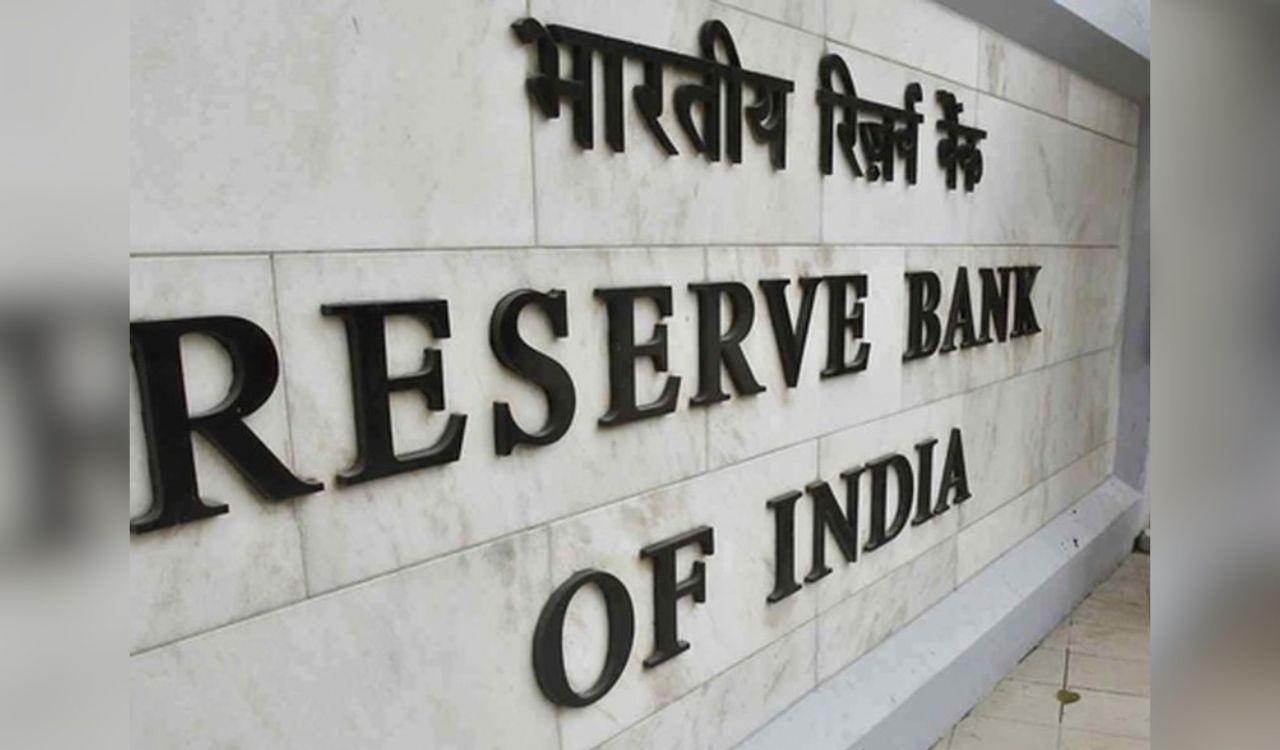
Mumbai: India’s near-term economic outlook is somewhat clouded by supply-side pressures, and the spillover impact of the West Asia conflict on domestic inflation needs to be monitored, according to the Reserve Bank of India Bulletin.
While the global economy remained shadowed by uncertainties in West Asia, an article in the Bulletin said domestic economic activity exhibited resilience in April.
“The conflict in West Asia continued to exert pressure on commodity markets, global trade flows and supply chains, contributing to volatility in financial markets. India has entered this phase from a position of macroeconomic strength,” the article on the state of the economy said.
“Domestic demand continues to be the key driver of growth. However, the near-term outlook is somewhat clouded by supply-side pressures.
“Although headline inflation remains firmly within the tolerance band, the pass-through to domestic prices needs to be monitored,” it said.
Retail inflation rose to 3.5 per cent in April, driven mainly by food inflation, while core inflation remained steady.
Against the backdrop of the Iran war, the article said constrained shipping routes and trade flows increased supply chain pressures to their highest levels since 2022.
Prices of commodities for which the Strait of Hormuz is a critical transit route remained elevated in April and early May.
Base metal prices, including aluminium, zinc and nickel, rose due to supply disruptions and higher fuel costs.
“The financial conditions, crude oil prices and capital flows continue to pose challenges to the external sector outlook,” it said.
The merchandise trade deficit widened in April 2026 compared with March 2026, primarily due to crude oil and gold imports.
Nevertheless, robust services exports, positive net FDI flows, foreign exchange reserve buffers and a number of proactive policy measures undertaken by the government and the Reserve Bank are likely to cushion the Indian economy against external headwinds, it said.
India is witnessing a trade reconfiguration amid the emerging geopolitical situation. Its trade through the Strait of Hormuz, which had declined sequentially in March, increased in April 2026.
The article further said economic activity showed a mixed trend in April, as reflected in several high-frequency indicators such as fuel consumption, trade, and logistics.
E-way bills continued to record double-digit growth backed by GST rate rationalisation.
While petrol and diesel consumption continued to grow, overall petroleum consumption declined in April due to a sharp fall in the consumption of naphtha, liquified petroleum gas (LPG) and other petroleum products, it said, adding that higher temperatures led to a sharp increase in electricity demand.
The central bank said the views expressed in the Bulletin article were those of the authors and did not represent the views of the Reserve Bank of India.

Related News