RTC strike cripples Telangana, commuters continue to bear the brunt on third day
The RTC strike in Telangana entered its third day, paralysing public transport and leaving lakhs of commuters stranded across Hyderabad and other districts. Protests erupted at multiple depots, with workers alleging government apathy towards their demands.
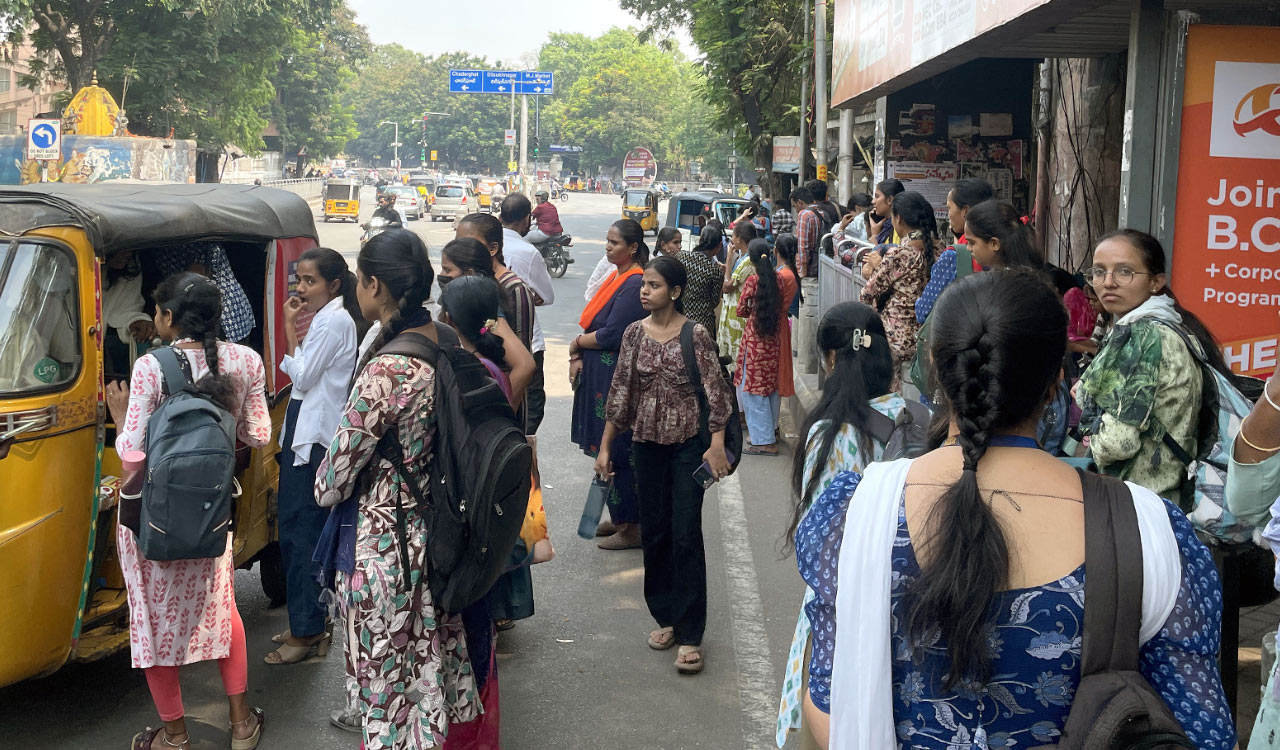


Hyderabad: The ongoing RTC strike intensified further for the third consecutive day on Friday, with widespread protests erupting at depots across Hyderabad and other parts of Telangana, severely impacting public transport and leaving lakhs of commuters stranded.
Demonstrations by employees were reported from Musheerabad, VST, and several other depots, where employees gathered in significant numbers, alleging that the government had failed to address their long-pending demands.
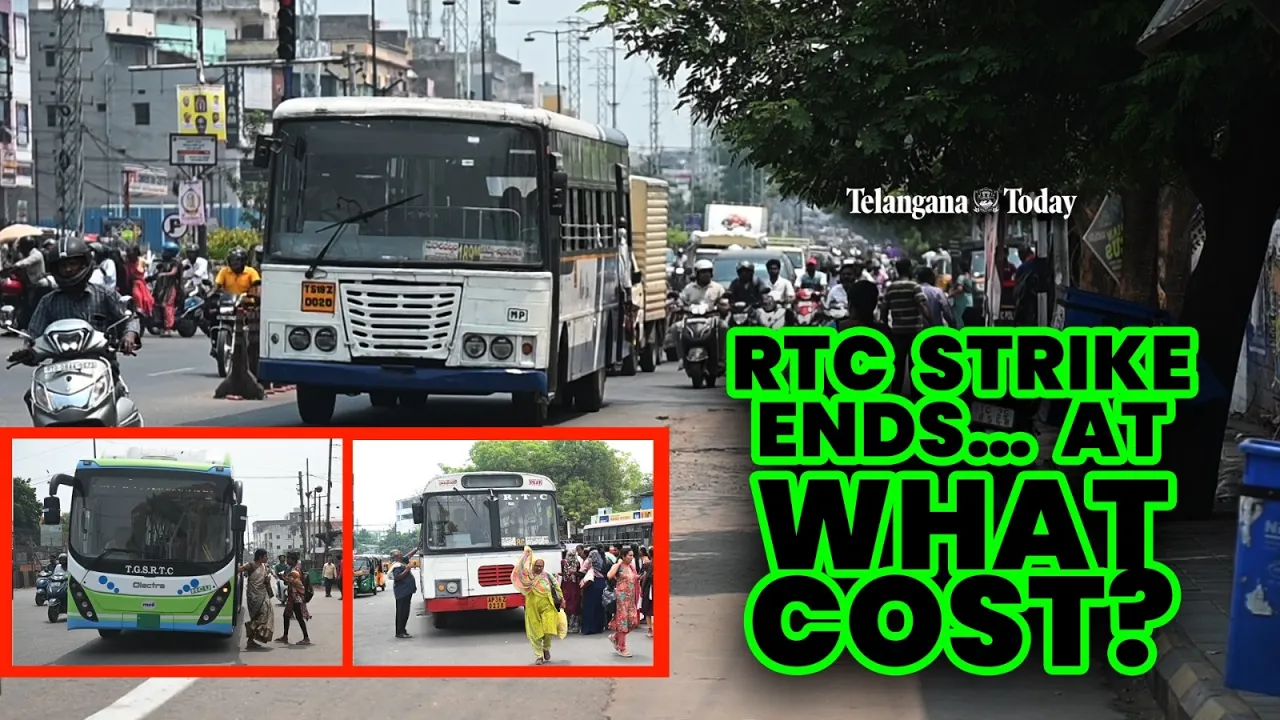
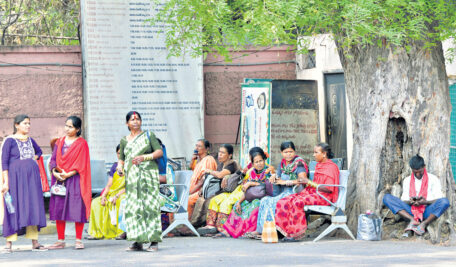
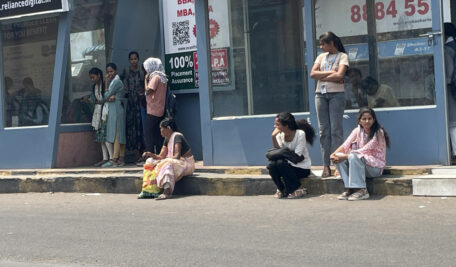
The impact of the strike was particularly severe in Hyderabad, where RTC buses form a crucial part of daily commuting. With a large number of buses off the roads, passengers were left waiting for long hours at bus stops across key junctions such as Secunderabad, Koti, Dilsukhnagar, and Kukatpally. Working professionals, IT employees, students and daily wage earners faced significant hardship as they struggled to find alternative transport.
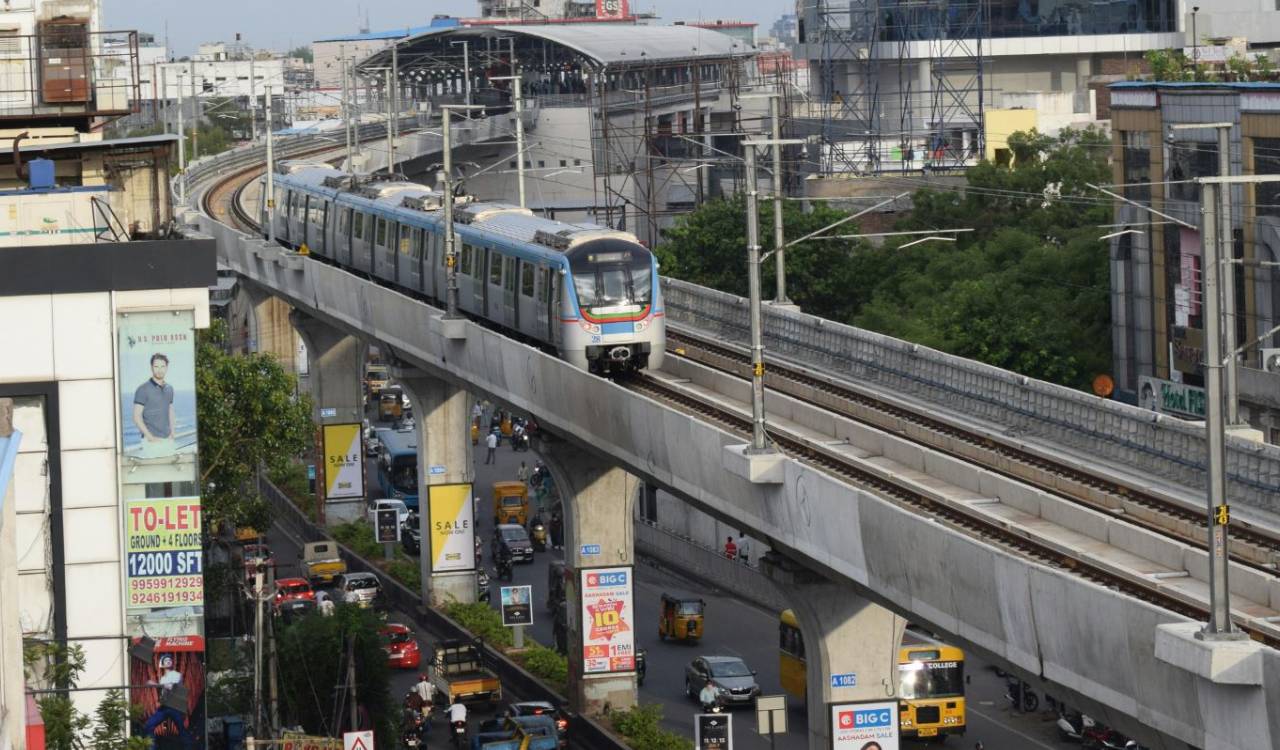
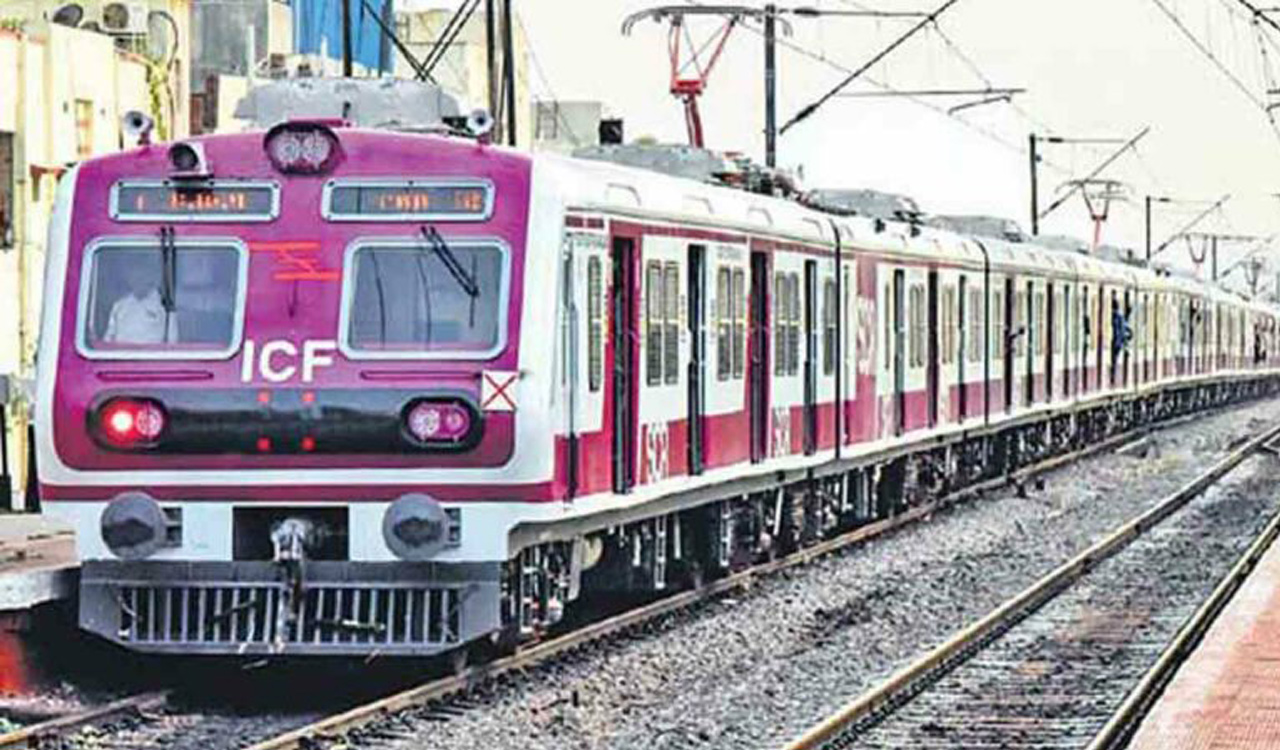
The shortage of RTC services led to overcrowding in MMTS and Metro Rail services, while auto-rickshaws and private transport operators continued to charge high fares, taking advantage of the situation. Many commuters were forced to depend on ride hailing services or carpooling, while others resorted to walking short distances to reach their destinations.
The RTC management pressed into service temporary drivers and conductors and operated a limited number of buses on select routes. However, these services remained sparse and irregular, failing to meet the overwhelming demand. In several instances, striking workers stopped such buses and appealed to temporary staff not to join duty.
At Ramnagar near VST, workers stopped a bus being operated with a temporary driver and counselled him to stay away from duties during the strike.
The strike also witnessed an emotional turn as employees paid tributes to Narsampet depot driver Shankar Goud (55), whose death gave a tragic turn to the protest. Workers garlanded his photograph and organised rallies in Secunderabad, calling for unity and urging employees not to resort to extreme steps. Leaders alleged that his death was a result of the government’s insensitive and negligent handling of workers’ problems.
The RTC Joint Action Committee (JAC) called for a bandh across the erstwhile Warangal region, covering Warangal, Hanamkonda, Jangaon, Mahabubabad, Bhupalpally and Mulugu districts. Normal life was partially affected in these areas, with shops remaining shut in some places and transport services disrupted. Police were deployed in large numbers to prevent untoward incidents.
Across Telangana, the strike has led to a drastic reduction in bus services, affecting rural and urban connectivity alike. In several districts, villagers and daily commuters reported difficulties in accessing markets, hospitals, and educational institutions due to the lack of transport.
Local MLA and BRS Legislature Party Whip K. P. Vivekanand visited the Jeedimetla depot and extended support to the striking workers. He termed the strike justified and squarely blamed the government for forcing employees onto the streets.
Holding the government responsible for Shankar Goud’s death, he said it reflected the deep distress among RTC workers and demanded immediate resolution of their legitimate demands.

Related News