SC says pollution boards cannot levy charges without rules
The Supreme Court of India ruled that pollution control boards cannot impose environmental compensation charges without subordinate legislation defining procedures and safeguards. The Centre informed the court that a new environmental law is currently under consideration
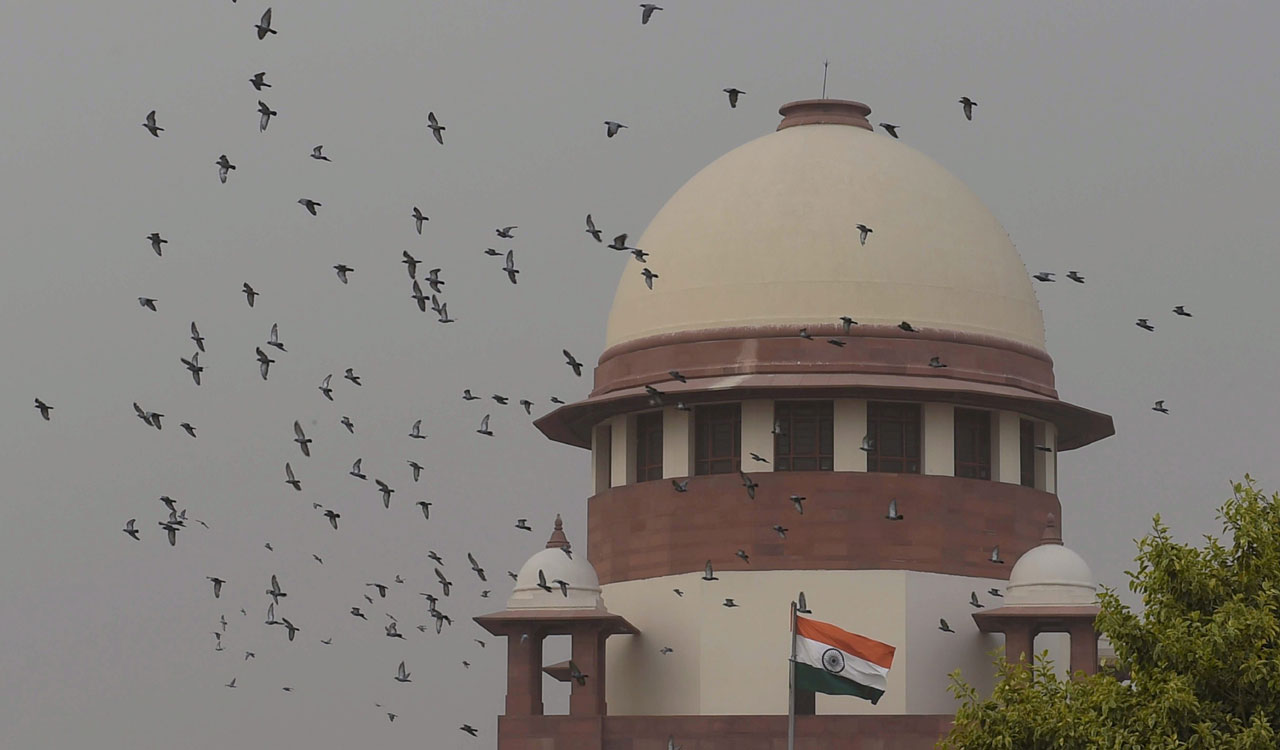


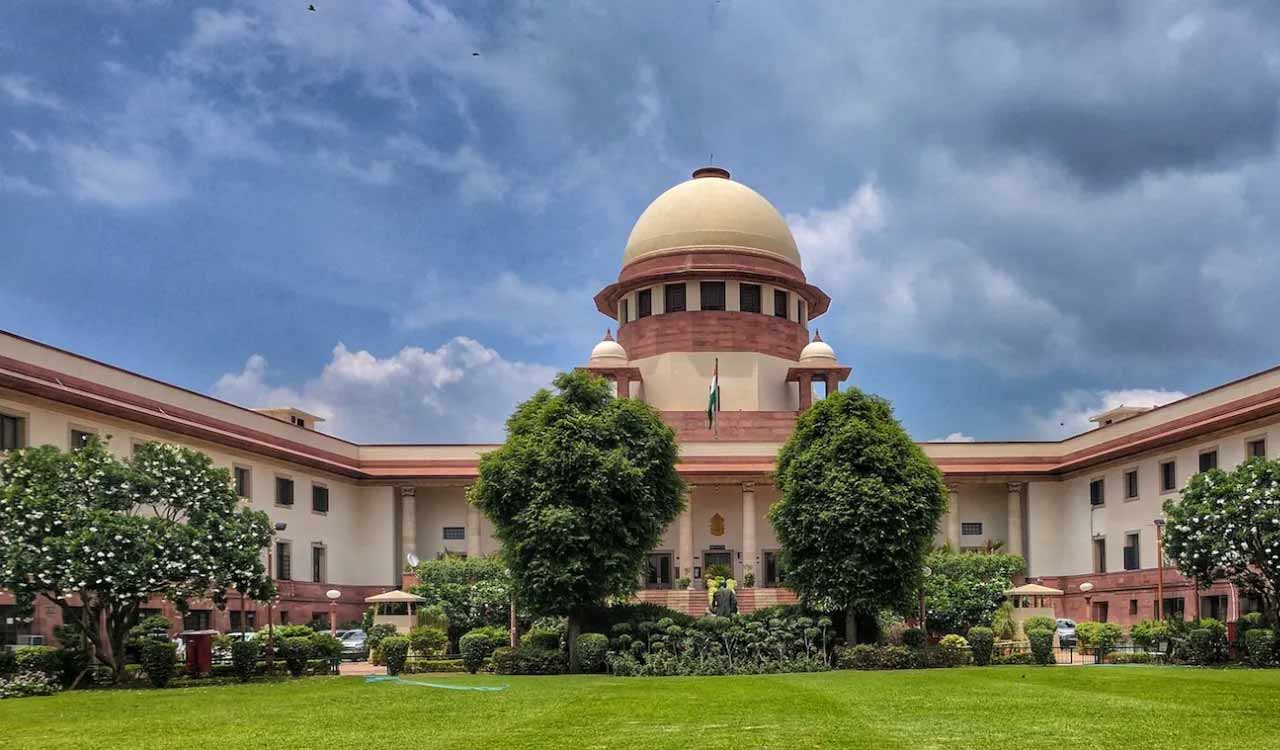
New Delhi: The Supreme Court on Thursday said that state pollution control boards cannot impose environmental compensation charges without the formulation of subordinate legislation. A bench of Justices P S Narasimha and Alok Aradhe issued the direction after the Centre said that a new law is being formulated while taking into account several other aspects related to environmental protection.
The bench said the clarification is necessary as several high courts have passed orders staying the collection of environmental compensation charges only on the ground of the formulation of subordinate legislation.
Additional Solicitor General Archana Pathak Dave, appearing for the environment ministry, submitted that deliberations are going on at the highest level and the government is contemplating enacting a new law. The counsel, appearing for petitioner Delhi Pollution Control Committee (DPCC), said that nobody should go scot-free in the absence of rules.
The bench posted the matter for further hearing on August 10 as it took into account the verdict of August 4 last year by which it held that the pollution control boards can impose and collect as restitutionary and compensatory damages fixed sums of money or require furnishing bank guarantees as an ex-ante measure towards potential environmental damage in the exercise of powers under Sections 33A and 31A of the Water and Air Acts.
On August 4 last year, the bench said the power to impose or collect restitutionary or compensatory damages or the requirement to furnish bank guarantees as an ex-ante measure under Sections 33A and 31A of the Water and Air Acts shall be enforced only after detailing the principle and procedure incorporating basic principles of natural justice in the subordinate legislation.
The top court had said that given their broad statutory mandate and the significant duty towards public health and environmental protection, the pollution control boards must have the power and discretion to decide the appropriate action against a polluting entity.
“It is essential that the Boards function effectively and efficiently by adopting such measures as are necessary in a given situation. The Boards can decide whether a polluting entity needs to be punished by imposition of a penalty or if the situation demands immediate restoration of the environmental damage by the polluter or both,” the top court had said last year.
The bench had said that since the boards have the power to direct the payment of environmental damages, this power must always be guided by two overarching principles the power cannot be exercised in an arbitrary manner and the process of exercising this power must be infused with transparency.
The top court had said that to ensure that the boards impose restitutionary and compensatory environmental damages in a fair, transparent and non-arbitrary manner with procedural certainty, necessary subordinate legislation in the form of rules and regulations must be notified.
“This shall include methods by which environmental damage is determined, and the consequent quantum of damages is assessed. They may also incorporate certain basic principles of natural justice for fairness in action,” the top court had said, while pointing out that at present, environmental damages are being levied by the boards on the basis of certain guidelines issued by the Central Pollution Control Board (CPCB) in December, 2022.
The top court had said it is important that these guidelines are reviewed thoroughly and issued in the form of rules and regulations as this will enable the declaration of a law that applies and ensures its recognition and easy implementation.

Related News
-

Supreme Court clarifies legal route for complaints against elected candidates
-
NEET-PG 2026: Plea seeks permanent copies of question papers and response sheets
-
SC issues notice to ECI on Rahul Gandhi-led plea against Special Intensive Revision exercise
-
Internet shutdown during October 10 CJP protest was necessary: Centre to SC