Strains in Australian met coal supply heighten energy security risks for India: IEEFA report
India’s reliance on Australian metallurgical coal for 90% of its steel sector exposes it to energy security risks. IEEFA urges accelerating alternative technologies like electric arc furnaces and green hydrogen to reduce dependence, ensure supply, and meet net-zero targets
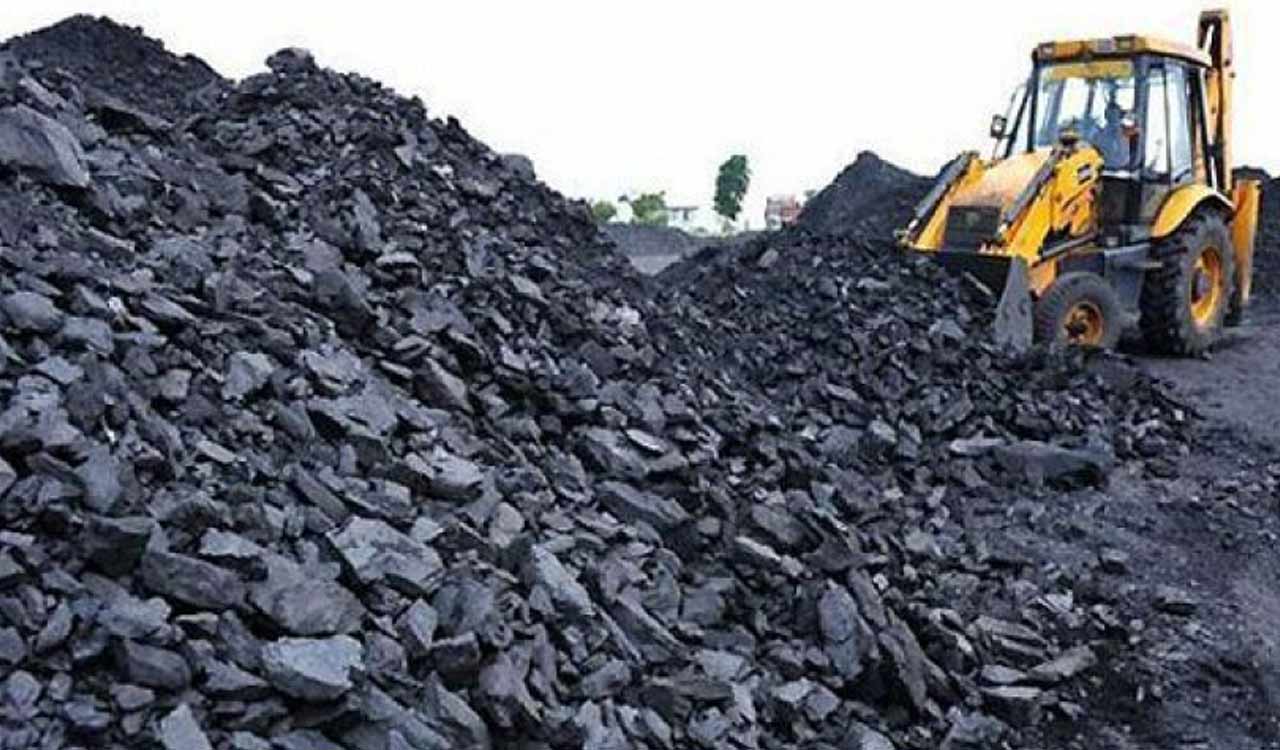


New Delhi: Strains in Australian metallurgical (met) coal supply has heightened energy security risks for India, which depends on imports for 90 pc of its needs, according to a new report by the Institute for Energy Economics and Financial Analysis (IEEFA).
The Indian government and steelmakers have begun reducing reliance on Australian met coal but India needs to go further to prevent India’s steel sector from being weighed down by long-term energy security challenges, it noted.
India aims to reach a crude steel production capacity of 300 million tonnes per annum by 2030. Much of this growth is driven by the blast furnace (BF) technology that uses met coal.
As a result, the Indian steel sector depends heavily on imported met coal since domestic met coal does not meet quality requirements due to its high ash and sulphur content.
India currently imports around 90 pc of its met coal, primarily from Australia.
However, concerns are mounting over the reliability of the future supply from Australia, the world’s largest exporter of met coal.
“Key risks include growing concern about the methane emissions associated with Australian met coal mining and legal challenges. Coal mine capacity expansions are now being successfully challenged in Australian courts on climate and emissions grounds,” said Simon Nicholas, Lead Analyst, Global Steel at IEEFA and co-author of the report.
“India has a 2070 net-zero emissions target, but is reliant on met coal imports from a country that has a 2050 target and will need to take emissions reduction actions sooner. During COP30 in November 2025, Australia was among the dozens of countries that signed the Belém Declaration which calls for a quick and just transition away from oil, gas and coal,” added Nicholas.
The report examined long-standing concerns over future coking coal supply, including rising mining costs, companies opting to acquire existing operations rather than opening new mines, the growing challenge of methane emissions and the withdrawal of finance for greenfield met coal projects by Australian banks.
“The combination of scrap-based electric arc furnaces (EAF) expansion, green hydrogen-based steelmaking and policy incentives for low-carbon technologies could gradually reduce India’s reliance on imported met coal.
“In doing so, India would not only enhance its energy security but also strengthen its competitiveness in global low-carbon steel markets,” said Saumya Nautiyal, Energy Finance Analyst, Steel at IEEFA and the co-author of the report.
The report noted that sector faces a series of risks that could leave Indian steelmakers exposed to supply shortfalls. These include over-optimistic met coal export forecasts by the Australian government; slowing mine development; rising financial, legal and regulatory constraints; escalating mining costs; and price volatility driven by climate impacts.
If India continues to develop blast furnaces requiring much more met coal, a supply shortfall could drive significant and structural price increases given the risks associated with developing new supply. The country now faces the urgent need to accelerate the move to alternative steelmaking technologies, the report said.

Related News