Telangana considers PRC system on Karnataka model: Shabbir Ali
State Government Advisor Mohammed Ali Shabbir said the Telangana government is likely to constitute a Cabinet sub-committee to examine introducing a Permanent Residence Certificate system. The proposal aims to help residents establish eligibility if required during the Special Intensive Revision of electoral rolls
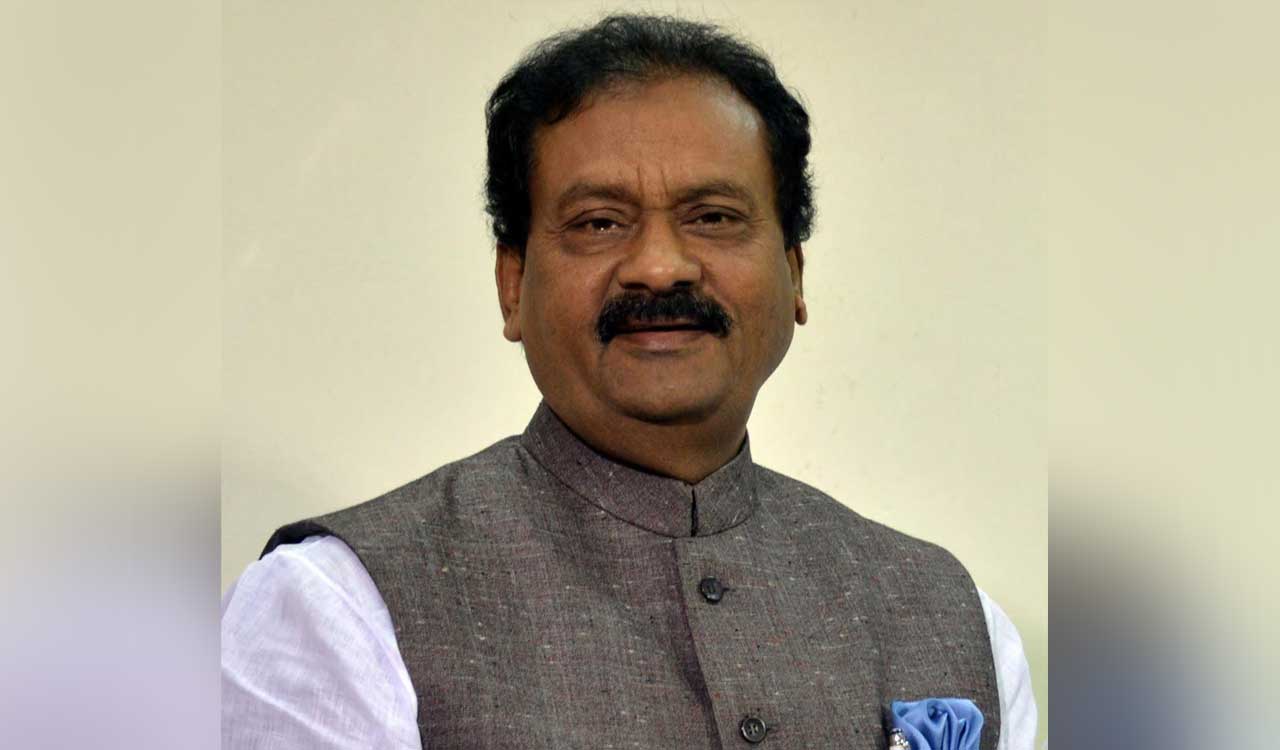


Hyderabad: State Government Advisor Mohammed Ali Shabbir on Monday said that the Telangana government was likely to constitute a Cabinet sub-committee to examine the feasibility of introducing a Permanent Residence Certificate (PRC) system on the lines of Karnataka.
Shabbir Ali said the proposal was being considered following a representation submitted by him to Chief Minister A Revanth Reddy.
He said the Chief Minister had discussed the proposal with senior officials.
The proposed certificate could provide an additional government-recognised document to residents who were unable to trace their names or those of their family members in the 2002 electoral rolls being used as a reference during the SIR exercise, he said.
The Election Commission’s indicative list of documents that may be considered during verification includes a Permanent Residence Certificate issued by a competent State authority. Therefore, a PRC issued after verification by the Telangana government could be produced as supporting evidence if an elector is subsequently asked to establish eligibility, he said.
Shabbir Ali clarified that documents were not being sought from voters while submitting the enumeration forms during the initial house-to-house exercise. However, electors whose names could not be linked to the 2002 electoral rolls might later be issued notices and asked to submit supporting documents before the electoral authorities.
He said the PRC could be particularly useful for people who were too young to be registered as voters in 2002, women whose names and addresses changed after marriage, families that shifted between constituencies or districts, and residents whose names could not be traced because of spelling or transliteration differences in old records.
It could also assist poor and elderly residents who did not possess old birth, school, property or employment records, as well as long-term residents whose documents were spread across different government departments, he added.

Related News