Vertigo and Nausea: Causes, Symptoms, and Relief Options
Here, we will discuss how these symptoms occur, treatment options like Stemetil MD and Emikind MD, and practical ways to find relief.
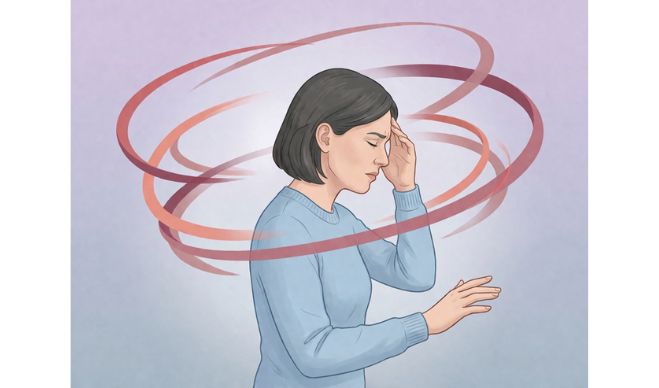


Vertigo and nausea are uncomfortable symptoms that can significantly affect daily life. Vertigo creates a sensation that you or your surroundings are spinning, even when you are still, making simple activities like standing or walking difficult. Along with this, nausea can cause a constant urge to vomit, leading to weakness and loss of appetite.
These symptoms often occur together and may be linked to issues in the inner ear, neurological conditions, infections, or lifestyle factors like stress, dehydration, and lack of sleep. Understanding the causes and recognising symptoms early can help in managing vertigo and nausea effectively. Here, we will discuss how these symptoms occur, treatment options like Stemetil MD and Emikind MD, and practical ways to find relief.
Understanding Vertigo and Nausea
Vertigo is a specific type of dizziness related to balance dysfunction. It is not simply feeling weak or light-headed; instead, it is a sensation that either the body or surroundings are moving when there is no actual movement. The inner ear contains delicate balance organs filled with fluid and tiny sensory structures that help detect body position. These organs constantly send information to the brain to help maintain posture and orientation.
When these signals become disturbed, the brain struggles to interpret movement correctly. This causes spinning sensations, imbalance and discomfort. In many cases, vertigo is triggered by a change in head position, such as turning in bed, bending down or looking upward. Some people experience only mild dizziness, while others feel severe spinning that prevents standing or walking normally.
Why Does Nausea Happen with Vertigo?
Nausea often develops because the brain receives mixed messages from the balance organs and visual system. For example, the eyes may see that the body is still, but the inner ear may incorrectly signal movement. This conflict activates nausea centres in the brain, which can lead to stomach discomfort, sweating and vomiting.
The stronger the spinning sensation, the more severe the nausea may become. In some individuals, nausea persists even after vertigo improves, especially if vomiting has caused dehydration or weakness.
Common Causes of Vertigo and Nausea
Several health conditions can lead to vertigo and nausea. Some causes are temporary and harmless, while others require medical evaluation.
- Benign Positional Vertigo: This is one of the most common causes. Tiny calcium particles in the inner ear move out of place and disturb balance signals when the head changes position.
- Inner Ear Infection: Inflammation of the inner ear, such as labyrinthitis or vestibular neuritis, may cause sudden vertigo, nausea and difficulty walking.
- Ménière’s Disease: This condition occurs due to fluid imbalance in the inner ear and often causes vertigo episodes with ringing in the ears and hearing changes.
- Motion Sickness: Travel by car, air or sea can trigger vertigo-like symptoms and nausea in sensitive individuals.
- Migraine-Related Vertigo: Some migraine sufferers experience dizziness even without severe headache.
- Low Blood Pressure or Dehydration: Reduced blood flow to the brain may trigger dizziness and nausea.
- Stress and Anxiety: Anxiety can intensify dizziness and create a sensation of instability.
Symptoms of Vertigo and Nausea
The severity of symptoms varies depending on the cause and duration of the episode. Symptoms may include:
- Sensation that the room is spinning
- Difficulty standing steadily
- Loss of balance while walking
- Nausea or vomiting
- Sweating
- Ringing in the ears
- Head pressure
- Blurred vision
- Sensitivity to movement
- Feeling worse when turning the head
In some people, symptoms appear suddenly and disappear quickly, while in others they continue for several hours.
Using Medications for Relief
Medications such as Stemetil MD and Emikind MD are commonly used to manage symptoms of vertigo and nausea. These medicines help control dizziness, reduce nausea, and improve comfort.
- Consult Your Doctor: Always consult a doctor before taking any medication. They can identify the underlying cause and recommend the appropriate treatment plan and dosage.
- Take Medicines as Prescribed: Follow the dosage instructions carefully. Taking medications regularly as advised helps in better symptom control and faster relief.
- Monitor Your Response: Observe how your symptoms respond to treatment. If dizziness or nausea persists or worsens, consult your doctor for further evaluation.
Other Measures to Manage Vertigo and Nausea Include:
In addition to medications, certain self-care practices can help reduce symptoms and improve balance:
- Rest in a Calm Environment: Lying down in a quiet, dark room can help reduce dizziness and discomfort.
- Stay Hydrated: Drinking enough fluids helps prevent dehydration, which can worsen symptoms.
- Move Slowly: Avoid sudden movements, especially when getting up or turning your head.
- Elevate Your Head While Sleeping: Using extra pillows can help reduce episodes of vertigo.
- Focus on a Fixed Point: Looking at a stable object can help ease the spinning sensation.
When to Seek Professional Help?
While vertigo and nausea can often be managed at home, certain symptoms require immediate medical attention. If you experience severe dizziness, difficulty speaking or walking, double vision, high fever, or persistent vomiting, consult a doctor immediately.
Early diagnosis helps identify serious underlying conditions and ensures appropriate treatment.
Conclusion
Vertigo and nausea can be distressing, but with proper understanding and timely management, they can be effectively controlled. Medications like Stemetil MD and Emikind MD, when used as prescribed, can help relieve symptoms and improve comfort.
By combining medical treatment with simple lifestyle changes and self-care practices, individuals can reduce episodes and regain normal daily functioning. If symptoms persist or worsen, seeking medical advice is essential for proper care and recovery.

Related News