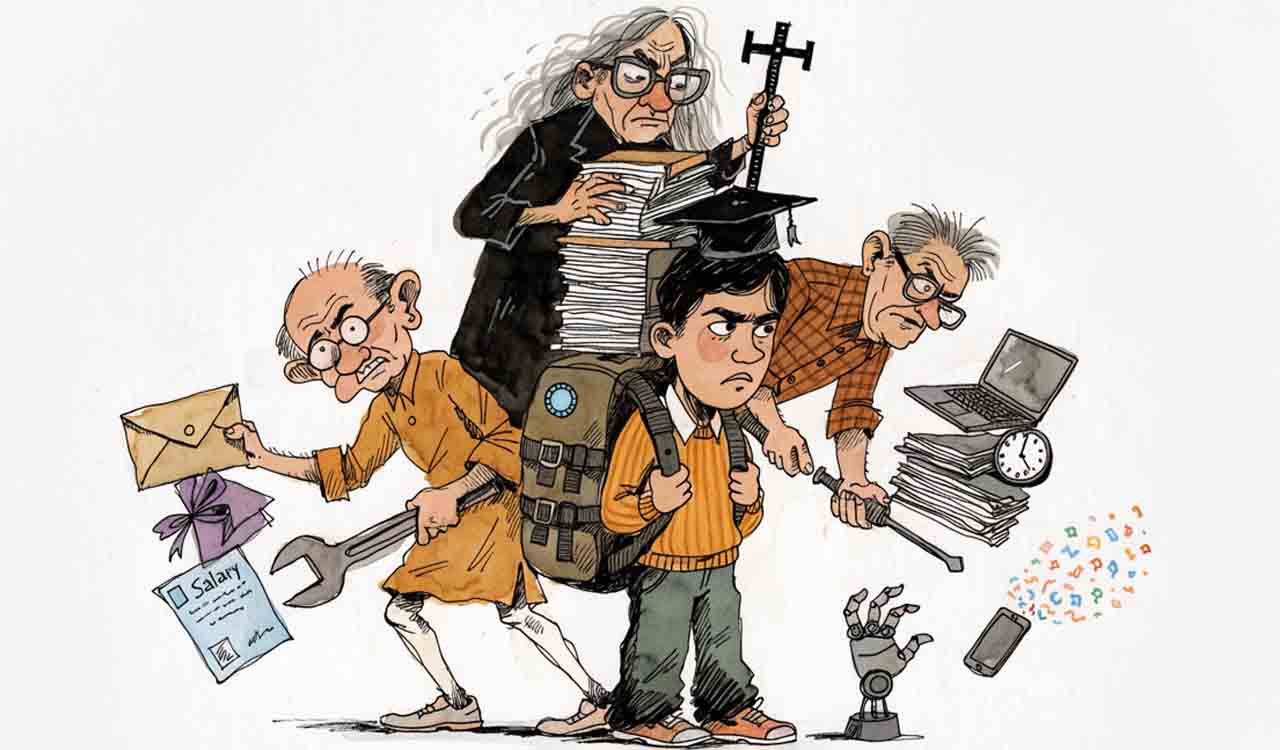
Why social media triggers FOMO and how to deal with it
Frequent social media use can trigger FOMO by promoting constant comparison and unrealistic perceptions of others’ lives. Experts suggest limiting screen time, focusing on offline experiences, and recognising curated content to maintain emotional balance and reduce stress.
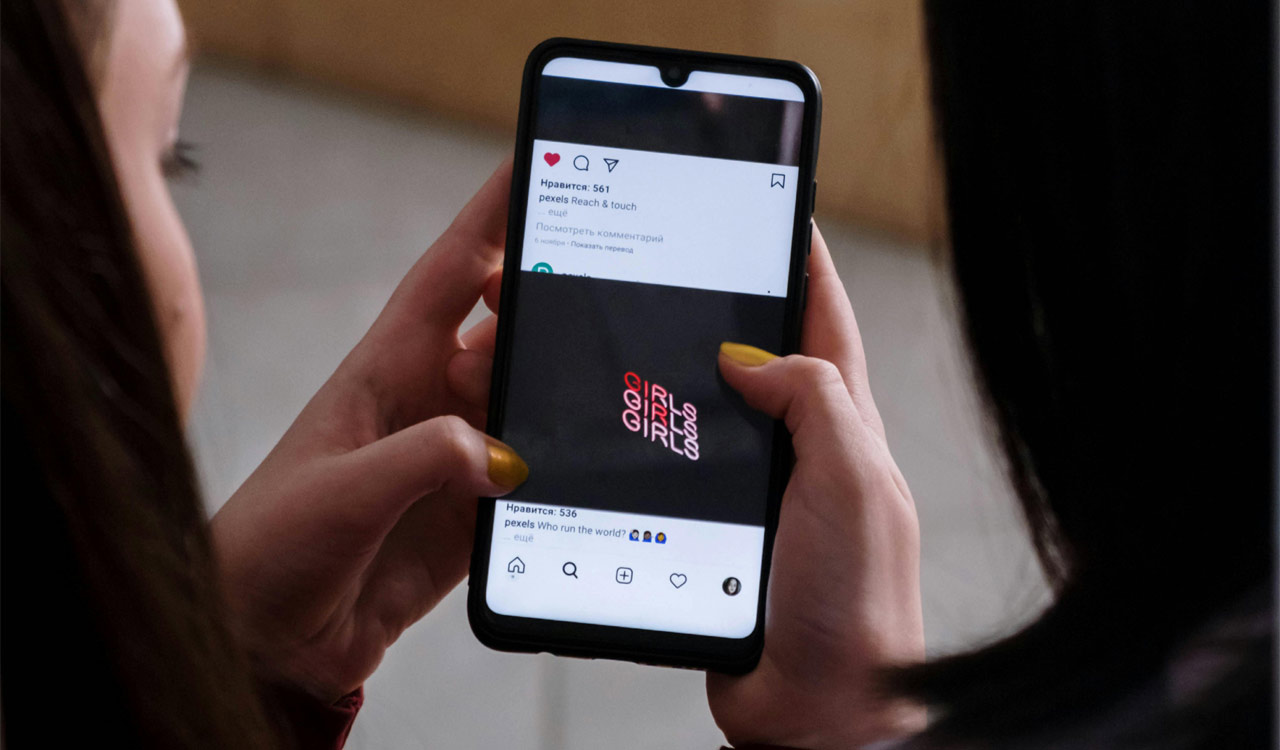


Hyderabad:Open your phone for five minutes, and suddenly it feels like everyone else is living a better life than you.
A quick scroll through social media can show friends at events, influencers travelling, or people achieving milestones, all within seconds. What starts as casual browsing often turns into comparison, leaving you with a strange feeling that you’re somehow behind.
This is what’s commonly known as FOMO, or the fear of missing out. And in the age of constant connectivity, it has become more common than ever.
FOMO doesn’t always show up in obvious ways. Sometimes it feels like restlessness when you’re offline, the urge to keep checking updates, or the discomfort of seeing others ‘doing more’ while your own day feels ordinary. Even simple downtime can start to feel unproductive when measured against what you see online.
A big reason behind this is how social media works. Platforms like Instagram and Facebook mostly show highlights of celebrations, trips, achievements and curated moments. What you rarely see is the routine, the boredom or the struggles behind those posts. This creates a distorted picture of reality where everyone else seems to be constantly ahead.
Over time, this constant comparison can affect how you view your own life. It can quietly build pressure to keep up, stay updated and not ‘fall behind,’ even when there is nothing wrong with your own pace.
The truth is, social media doesn’t show life as it is, only fragments of it. And those fragments are often the best moments, not the real ones in between.
FOMO fades when attention shifts back to real life. Limiting screen time, taking intentional breaks, and focusing on offline experiences can help reduce that constant feeling of comparison.
At the end of the day, you’re not missing out on life, you’re just seeing a carefully filtered version of someone else’s.

Related News