Badminton Injuries: Play Smart, Prevent Damage, and Stay on Court Longer
While the sport offers excellent cardiovascular and musculoskeletal benefits, it also places significant stress on the joints and soft tissues. As a result, badminton players—both recreational and competitive—are prone to specific sports injuries if proper precautions are not taken.



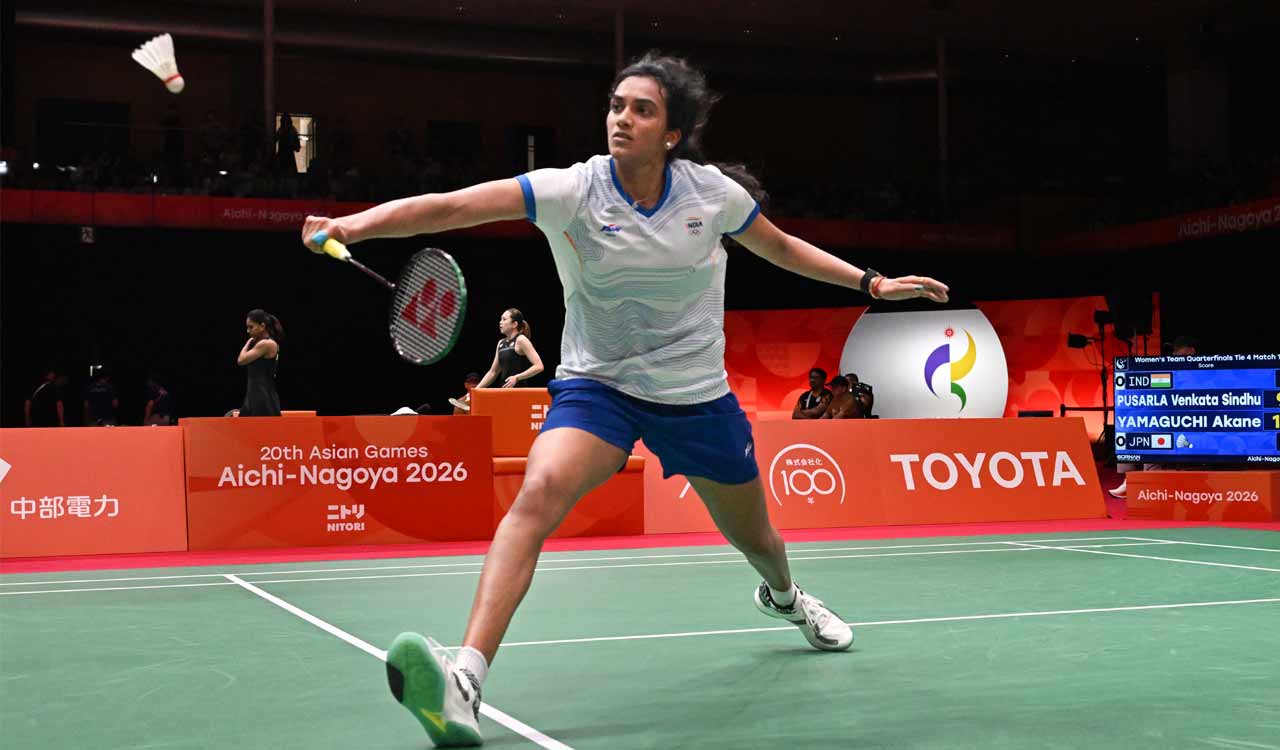
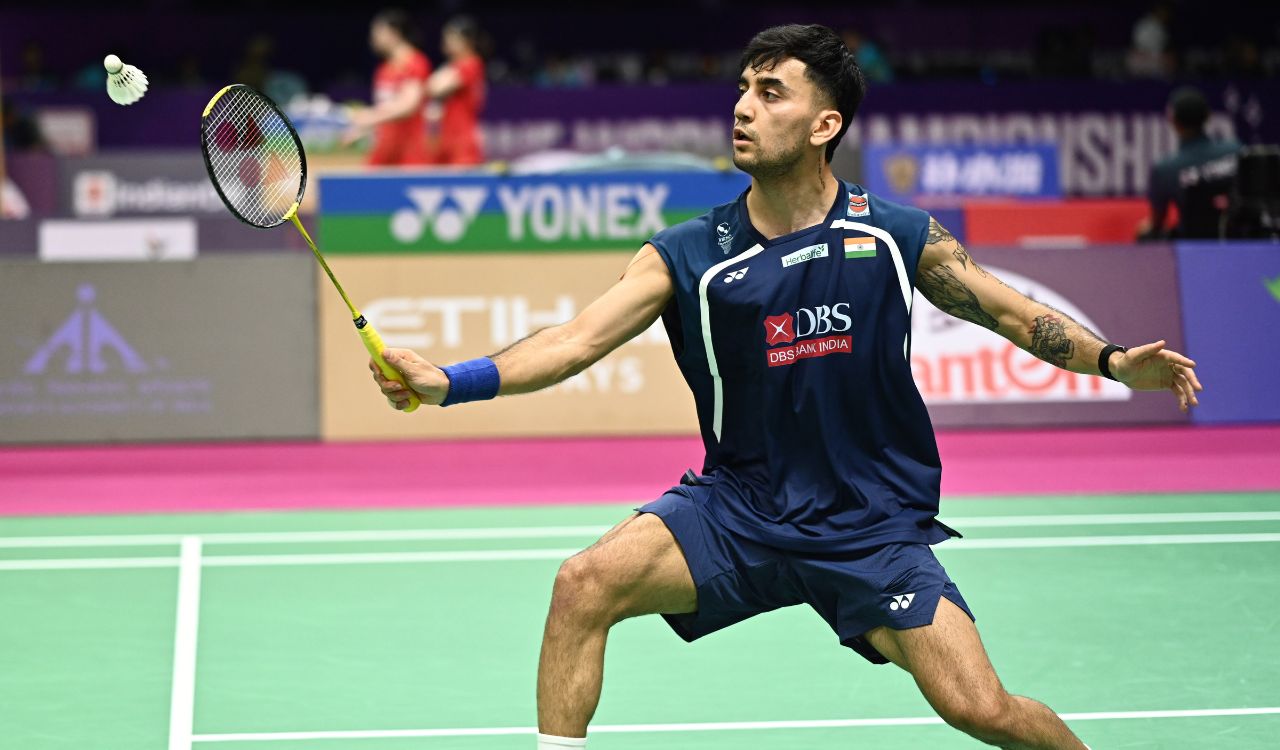
Badminton is among the fastest racket sports in the world. What looks graceful on court actually involves explosive movements—jump smashes, deep lunges, sudden changes in direction, and repeated overhead strokes. While the sport offers excellent cardiovascular and musculoskeletal benefits, it also places significant stress on the joints and soft tissues. As a result, badminton players—both recreational and competitive—are prone to specific sports injuries if proper precautions are not taken.
Common Injuries Seen in Badminton Players
Ankle injuries are the most frequent. Rapid lateral movements and improper landing after jump smashes often lead to ligament sprains, especially of the outer ankle. Repeated ankle twists can result in chronic instability if not treated early.
Knee injuries commonly occur during lunges and sudden stops. These range from patellar tendon pain and cartilage strain to meniscus or ligament injuries in more intense play. Knee pain that persists after games should not be ignored.
Shoulder injuries are increasingly seen due to repetitive overhead smashes. Poor technique and muscle imbalance can lead to rotator cuff problems, shoulder impingement, and reduced smash power over time.
Elbow and wrist problems arise from incorrect grip size, excessive string tension, and repetitive strokes. Conditions such as tennis elbow, wrist tendinitis, and ligament strain are common, especially among frequent players.
Back and core injuries result from repeated twisting, bending, and inadequate core strength. Lower back pain is often an early sign of poor movement control or overuse.
Why Do These Injuries Happen?
Most badminton injuries are preventable. Common contributing factors include inadequate warm-up and cool-down, poor landing mechanics after jump smashes, incorrect footwear, sudden increase in playing intensity, and ignoring early pain.
How to Prevent Badminton Injuries
A structured warm-up of 10–12 minutes before play is essential. Strength and conditioning, technique correction, and appropriate footwear significantly reduce injury risk.
Importance of Early Screening
Pain is not normal—it is an early warning sign. Early screening by a sports injury specialist helps prevent minor injuries from progressing into chronic conditions.
Rehabilitation: The Missing Link
Sports-specific rehabilitation involves phase-wise recovery, movement correction, strength rebuilding, and a structured return-to-play plan.
When Should a Player Seek Medical Advice?
Players should seek medical help if pain persists beyond a few days, swelling or instability occurs, or performance is affected.
The Takeaway
Badminton promotes fitness when played smartly. Proper training, early screening, and structured rehabilitation help players stay injury-free and enjoy the sport longer.
Dr. Sujit Kumar Vakati R
Senior Consultant –
Joints , Hand & Sports Injury Surgeon
Ms.ortho , MCh.ortho
Arthroscopy & Arthroplasty Fellowship
Shoulder & Elbow Fellowship ( japan) ,
Ao trauma fellowship – Hand , Wrist & Microsurgery ( Germany) ,
Hand , Wrist & wrist arthroscopy ( France )
Diploma in Football Medicine ( FIFA )

Related News