Chinese Manja is not always made in China — the hangman’s noose
Despite its misleading name, it is not necessarily imported from China. In India, the term broadly refers to any synthetic or glass-coated manja, including locally manufactured varieties


By Chada Rekha Rao
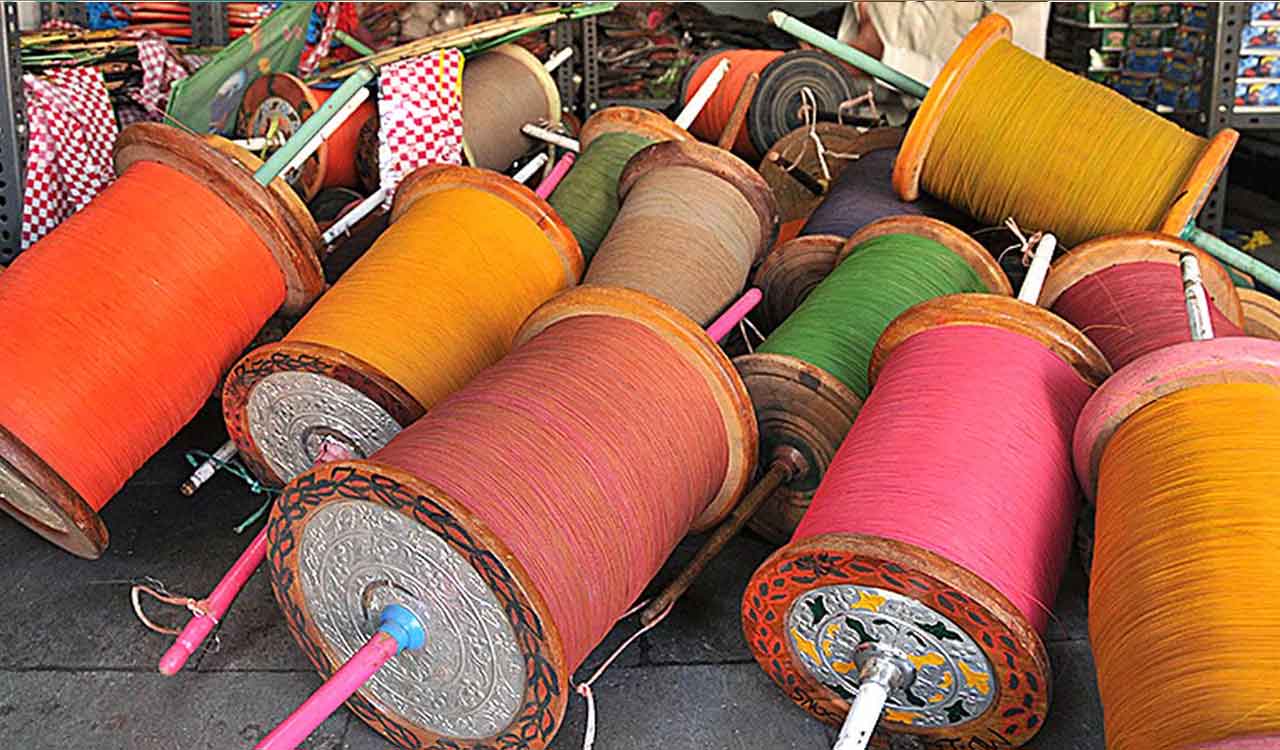
Chinese manja, the kite-flying string made of cotton or nylon coated with glass powder, metal dust, and industrial adhesives, has become no less than a hangman’s noose. What was once seen as a harmless recreational material has today emerged as a serious public safety hazard. A thin, almost invisible thread now has the power to cut flesh, sever arteries, and end lives in seconds. The danger lies not in its appearance but in its composition, which turns a festive object into a lethal weapon.
Also Read
Despite its misleading name, it is not necessarily imported from China. In India, the term broadly refers to any synthetic or glass-coated manja, including locally manufactured varieties. Over the years, this term has become generic, loosely applied to different forms of dangerous manja irrespective of their place of origin. This ambiguity has allowed manufacturers and sellers to escape responsibility by claiming local production, while the end product remains just as deadly. The name itself has become a convenient shield against accountability.
The sharp, abrasive coating cuts human skin like a blade. The glass powder and metal dust are deliberately added to give a competitive advantage in kite fighting, but this advantage comes at a deadly cost. When such manja comes in contact with human skin, especially at speed, it causes deep, clean cuts similar to those inflicted by sharp weapons. The neck, face, hands, and torso are particularly vulnerable. The injuries are often severe, sudden, and irreversible.
Two-wheeler riders are among the worst affected. Riding at normal speed, a loose strand of Chinese manja stretched across a road becomes almost impossible to detect. When it strikes the neck or face, it can cut through skin, muscles, and blood vessels instantly. Several fatal accidents have been reported where riders had no time to react. Even helmets and protective clothing often fail to prevent injury because the string strikes exposed areas like the throat.
Pedestrians are equally at risk. Elderly people, morning walkers, delivery personnel, and children walking to school or playing outdoors often fall victim to dangling or discarded manja. Children, because of their height, are especially vulnerable to neck injuries. Many suffer permanent scars, nerve damage, or life-threatening wounds. These are not rare or isolated incidents; they occur repeatedly every year, especially during festival seasons.
Children, who are supposed to enjoy kite flying safely, are often placed in danger by the very materials meant for entertainment. They handle the sharp thread without understanding its consequences. Cuts to fingers and palms are common, and in many cases, these injuries require stitches or surgery. What should be a joyful childhood memory turns into trauma, fear, and long-term injury.
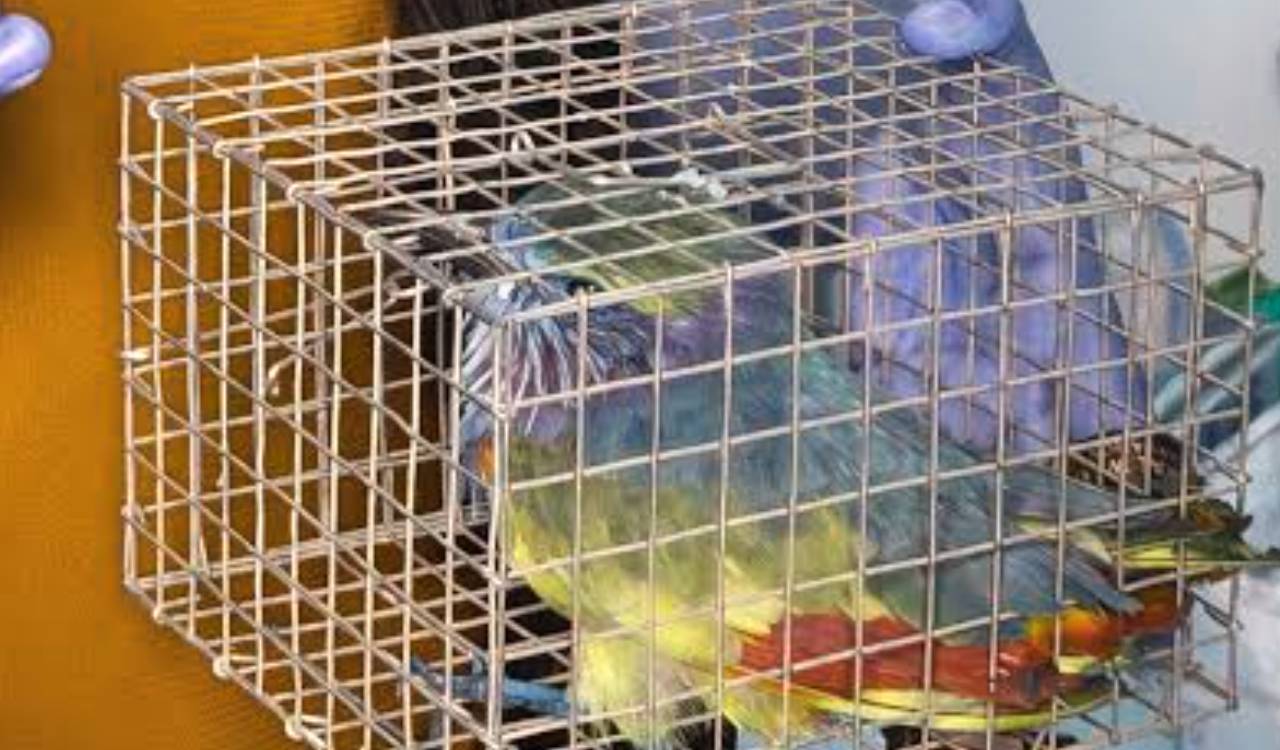
The danger does not end with humans. Chinese manja is equally lethal for birds, severing wings, legs, and throats of pigeons, kites, crows, and other birds that share urban skies. Birds in flight collide with the nearly invisible string and are cut mid-air. Many fall to the ground bleeding, while others remain trapped, hanging helplessly from trees, wires, or buildings.
For birds, these injuries are almost always fatal. A cut wing means loss of flight and eventual death. A cut leg prevents feeding and movement. A cut throat causes slow, painful suffocation. Rescue organisations report hundreds of cases every year, particularly during kite-flying seasons. Despite rescue efforts, many birds cannot be saved due to the severity of their injuries. Entire nesting cycles are disrupted when parent birds are killed or injured.
The cruelty inflicted on birds is not accidental; it is a direct and predictable result of using glass-coated and synthetic manja. Urban ecosystems, already under stress, suffer further damage. Birds play a crucial role in controlling pests, pollination, and maintaining ecological balance. Their loss has long-term environmental consequences that go unnoticed until the damage becomes irreversible.
Being conductive, Chinese manja poses a serious risk of electrocution when entangled in power lines. The metal dust and synthetic coating allow electricity to pass through the string. When it comes into contact with live wires, it can cause short circuits, power outages, sparks, and even fires. Electricity department workers face increased danger while removing entangled manja from lines.
There have been instances where manja caused transformer failures and power supply disruptions, affecting entire neighbourhoods. In densely populated areas, this can lead to fire hazards, panic, and damage to public property. Thus, Chinese manja is not only a personal safety issue but also a threat to public infrastructure and essential services.
The nylon content makes it non-biodegradable, leaving long-lasting environmental damage. Unlike traditional cotton manja, which decomposes naturally, synthetic manja remains in the environment for years. It gets wrapped around trees, clogs drainage systems, and accumulates in open spaces. During the rains, it contributes to waterlogging and blocks stormwater drains, creating additional civic problems.
Discarded manja remains long after festivals are over. Rooftops, parks, roadsides, and vacant plots become littered with dangerous strands. Animals, including dogs and cattle, also get entangled, suffering cuts and strangulation. Thus, the damage caused by Chinese manja is not limited to one season but continues silently throughout the year.
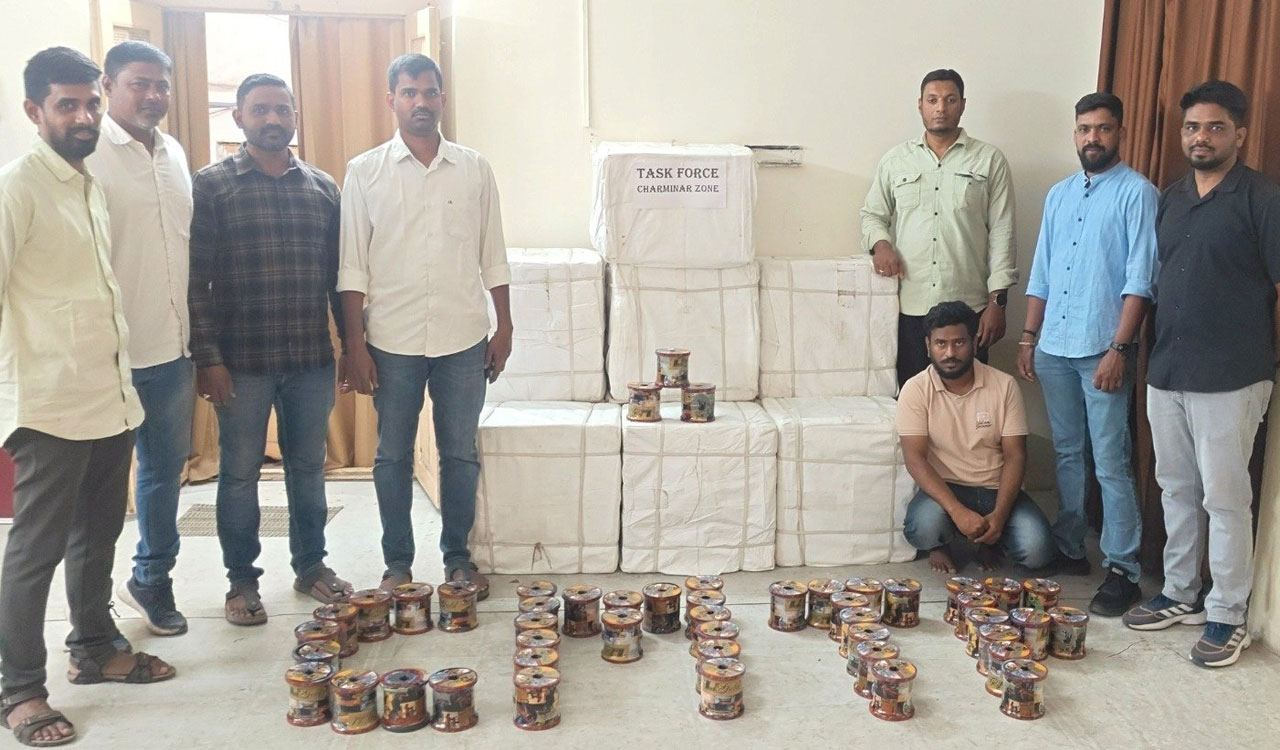
Although it is banned in many States, including Telangana, seasonal crackdowns have failed to curb its use. Enforcement often increases just before festivals, with raids and announcements, but fades soon after. This temporary approach lacks seriousness and consistency. People know that vigilance is short-lived and continue using the banned material with confidence.
Permanent elimination requires more than temporary bans. A strict, uniform national law must prohibit manufacture, sale, storage, transport, and online trade, with clear definitions to prevent loopholes. Without uniformity, banned manja continues to move across State borders and reach consumers through informal and online channels.
Criminal liability, not token fines, should apply to sellers, users, manufacturers, and organisers. When deaths occur, responsibility cannot stop at seizure of material or imposition of small penalties. Strong punishment is necessary to send a clear message that this is not a minor offence but a serious crime.
Supply chains must be dismantled through sustained enforcement. This includes identifying manufacturers, wholesalers, transporters, and retailers. Merely catching end users does not solve the problem. Police need to be on their toes to check what the public is using on the ground and catch them. Regular checks, surprise inspections, and strict action are essential.
Promoting safe cotton alternatives is equally important. Traditional cotton manja allows kite flying without causing harm. Supporting local production of safe manja can preserve cultural practices while ensuring safety. Availability and affordability of safe alternatives will reduce dependence on dangerous materials.
Involving schools and parents is crucial. Awareness must begin early. Schools can educate children about the dangers to humans, birds, and the environment. Parents must monitor what their children use and understand that safety is more important than competition or tradition.
Public accountability is essential. Accidents must not be dismissed as unfortunate incidents. Each injury or death linked to Chinese manja is preventable. Community participation, reporting violations, and social responsibility can support enforcement efforts.
Chinese manja is not a sport material—it is a weapon. A weapon that cuts without warning, kills silently, and leaves behind grief, loss, and environmental destruction. Treating it as tradition will continue to cost lives. Until it is completely eliminated and replaced with safe alternatives, festivals will continue to be shadowed by tragedy rather than joy.

(The author is an academician)

Related News