Digital-only gaming: What do consoles mean without discs?
The gaming industry's continued shift towards digital distribution has reignited concerns over ownership, game preservation and accessibility. Many gamers argue that eliminating physical discs would reduce consumer choice, weaken the second-hand market and fundamentally change the console gaming experience.
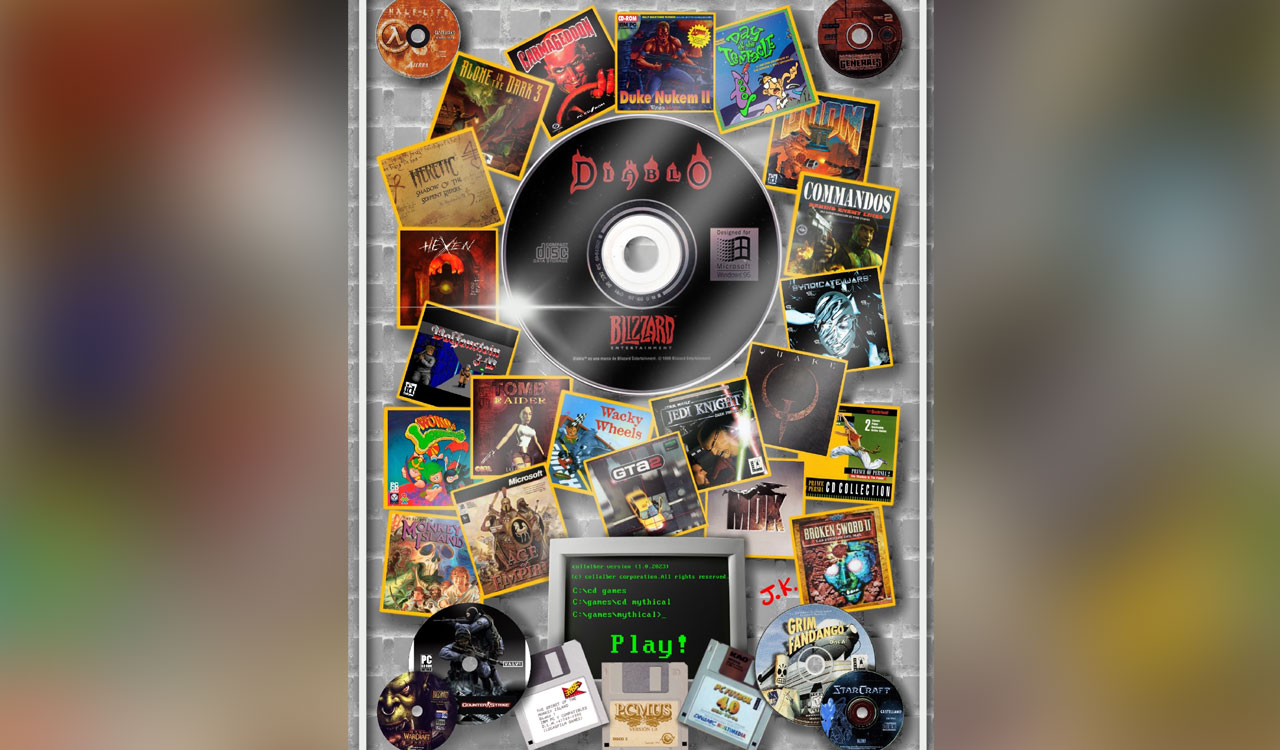


Hyderabad: It has been coming for a while, and the continuous decline in sales of physical games has only reemphasised that most gamers around the world prefer buying their games digitally and having them delivered via the cloud. But the optical disc for games has always been a big part of gaming culture worldwide, be it for PC gamers or console lovers, the journey from CDs to DVDs and Blu-ray discs has been one of steady progression and a million nostalgic memories.
Sony’s recent announcement to cease production of game discs has been met with near-unanimous furore from gamers all around the world. The decision, which has been largely viewed as the next step in taking away players’ control over the games they play, comes at a time when gaming hardware has never been more expensive. With game prices also steadily climbing, as witnessed by the price of the GTA VI pre-order, gaming as a practice has never seemed more undemocratic and inaccessible.
The decision leaves us gamers in a pickle, as we lose the ability to decide which games we prefer in digital form and which ones we would prefer to own in a tangible, material fashion.
While on the surface it seems efficient to own all your games digitally because it is more practical in terms of storage and while moving, some emotional decisions aren’t made by taking practicality and efficiency into account.
There are other problems to consider too: most popular older games are being revisited and either “remade,” “remastered,” or, in the case of next week’s Black Flag, “resynced,” and we have increasingly witnessed how the newer versions replace the originals on the cloud. This, in turn, means most players often find the newer version of the game rather than the original because the files are often overwritten. Considering that “newer” is not necessarily “better” in terms of experience, this is a major problem because players are being given a product they didn’t necessarily buy and denied the one they originally bought.
The decision also completely takes the second-hand market for games out of the picture and forces popular video game stores to reevaluate their futures. It also makes things a lot harder for gamers who share their games and rely on borrowing from friends to make the hobby affordable. There is also a loss of access to consider. Sometimes when a game is banned in a country or region, like Dragon Age: Inquisition was in India, the only way to play it on a console was to get a disc. With that no longer being an option, what alternative should one consider?
Most gamers around the world have called this decision Sony’s unforgivable mistake, and while the increase in game sizes and the declining sales of physical games make it seem like an efficient choice, these are the foundations of gaming that are being tampered with.
With the removal of physical discs, the difference between a console and playing on a computer is far less than ever before. A lot of people are likely to go the way of Steam and PCs if all their games are to be digital only. This is a decision that is likely to hurt Sony and PlayStation in the long run.

Related News