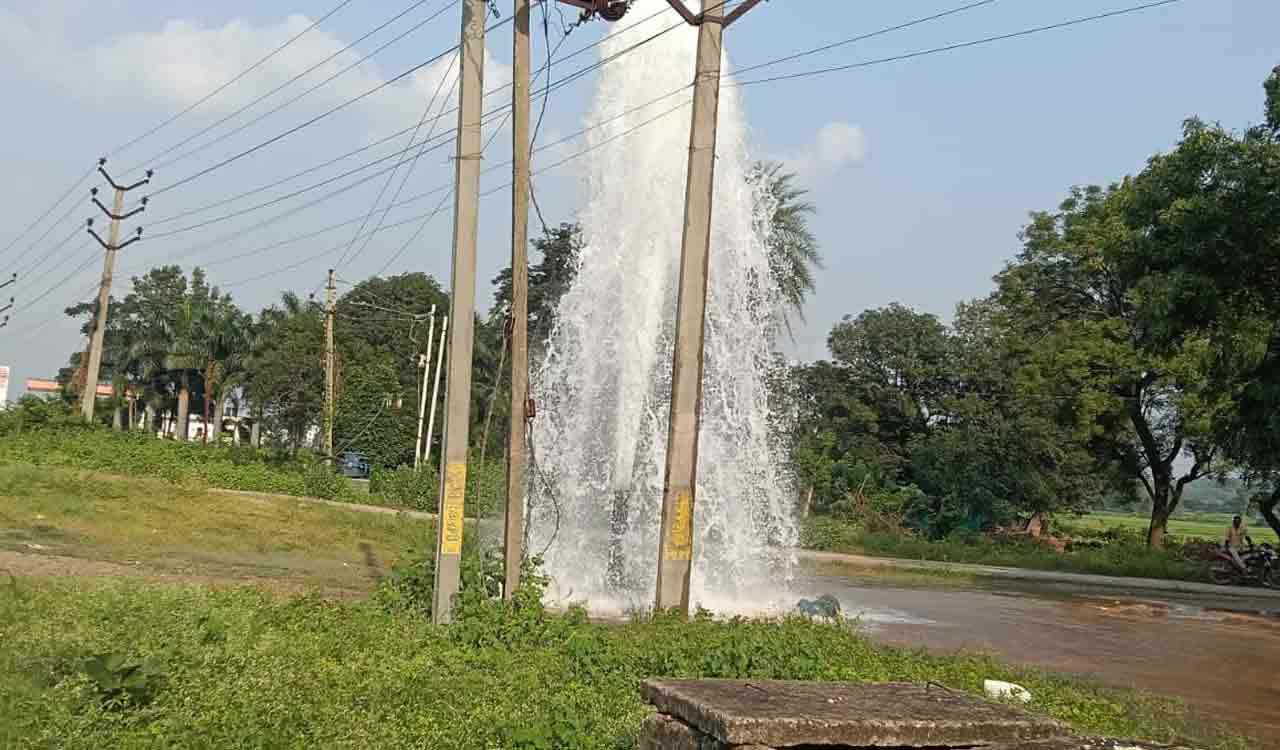
Drinking water crisis stares at 200 habitations in KB Asifabad, Adilabad
Nearly 200 habitations in Kumram Bheem Asifabad and Adilabad districts may face a drinking water crisis this summer. Officials have identified vulnerable villages and directed departments to take preventive steps, use alternative sources, and arrange tankers if required
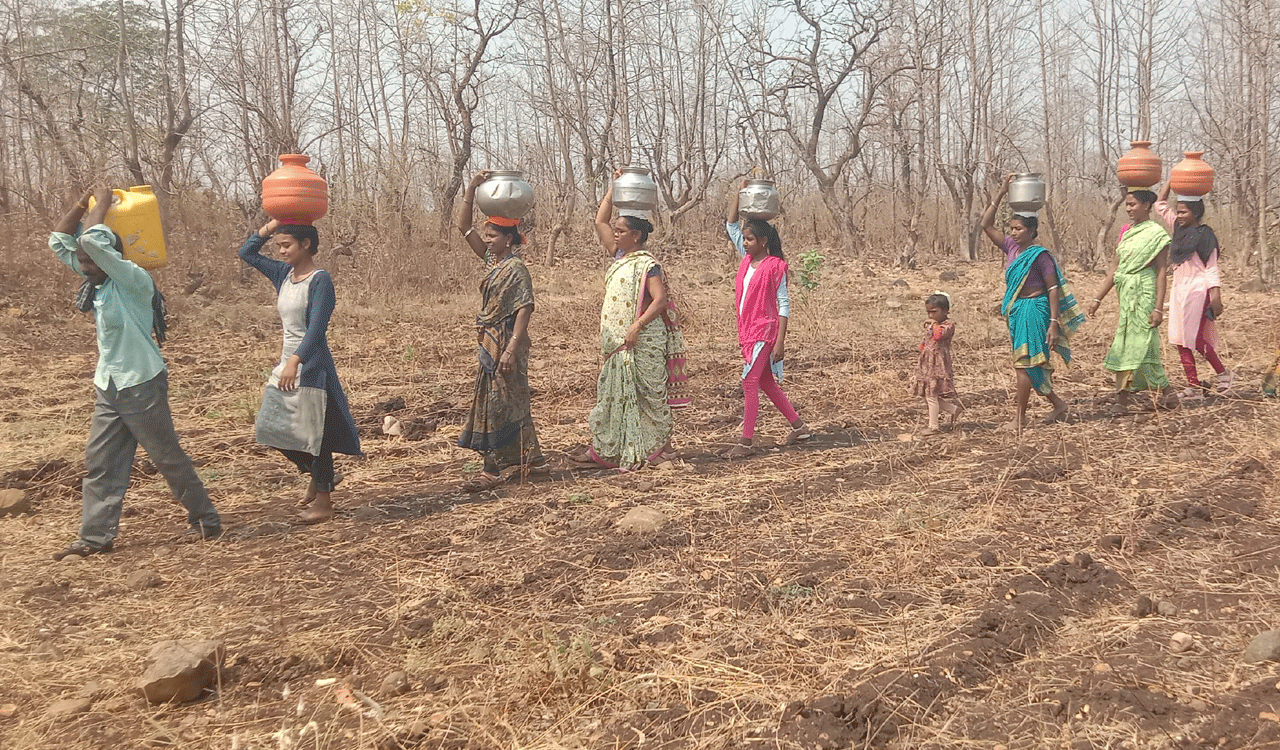


Kumram Bheem Asifabad/Adilabad: Nearly 200 habitations are likely to face a drinking water crisis in Kumram Bheem Asifabad district and Adilabad district this summer.
Officials said 141 habitations out of the total 1,152 habitations across 335 villages were identified as vulnerable to a drinking water crisis in Kumram Bheem Asifabad district. Twenty-eight habitations from Kerameri, 24 in Jainoor, 23 in Sirpur (U) and 13 belonging to Wankidi mandals were among vulnerable habitations. Five habitations in Penchikalpet and three each in Kagaznagar and Bejjur were found to be problematic settlements.
Similarly, about 30 villages were earmarked as vulnerable in Adilabad and Boath Assembly constituencies. They said that precautionary measures were being taken to avoid the crisis. Eight habitations in Utnoor and seven habitations from remote Gadiguda mandals in the Khanapur Assembly segment were included in the list of vulnerable habitations, according to Mission Bhagiratha (Grid) officials.
Collectors of the two districts have already convened meetings with Mandal Parishad Development Officers and the Mission Bhagiratha, formally known as the Rural Water Supply department. They instructed officials to be cautious about the drinking water crisis and called for steps to address the challenge by chalking out an action plan and taking preventive measures.
The officials were told to be alert and to avoid interruption in the supply of drinking water and power. They were asked to utilise local sources such as bore wells and agriculture wells if the bulk supply of drinking water was affected between March 15 and June 15, particularly during the peak of summer. Officials have been asked to use funds recently released by the Centre to rural civic bodies.
The authorities were advised to ensure drinking water to the vulnerable habitations by hiring tankers and drawing water from bore wells and agriculture wells, and to keep water tankers allocated to villages ready if required. They were ordered to be punctual while supplying bulk water from the treatment plants to habitations.

Related News