Editorial: A disappointing Supreme Court verdict
By denying bail to Umar Khalid and Sharjeel Imam even after more than five years in jail without trial in the 2020 Delhi riots conspiracy case, the apex court appears to contradict its own dictum
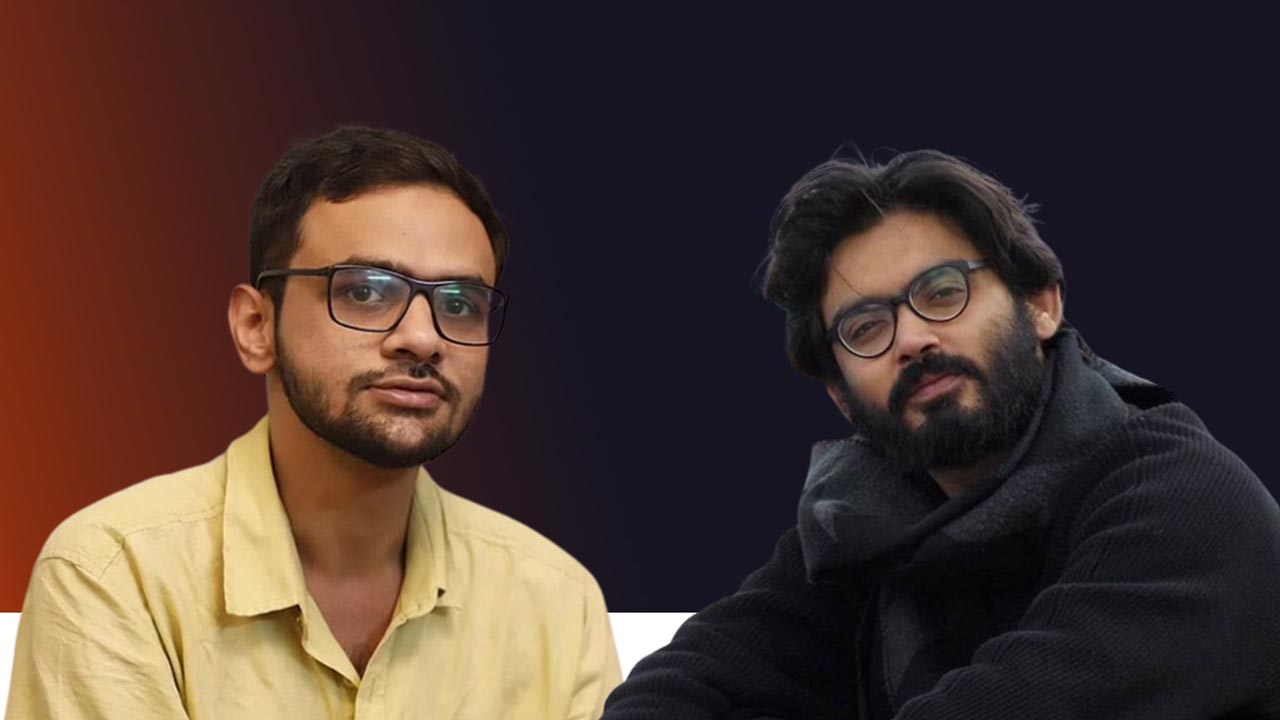


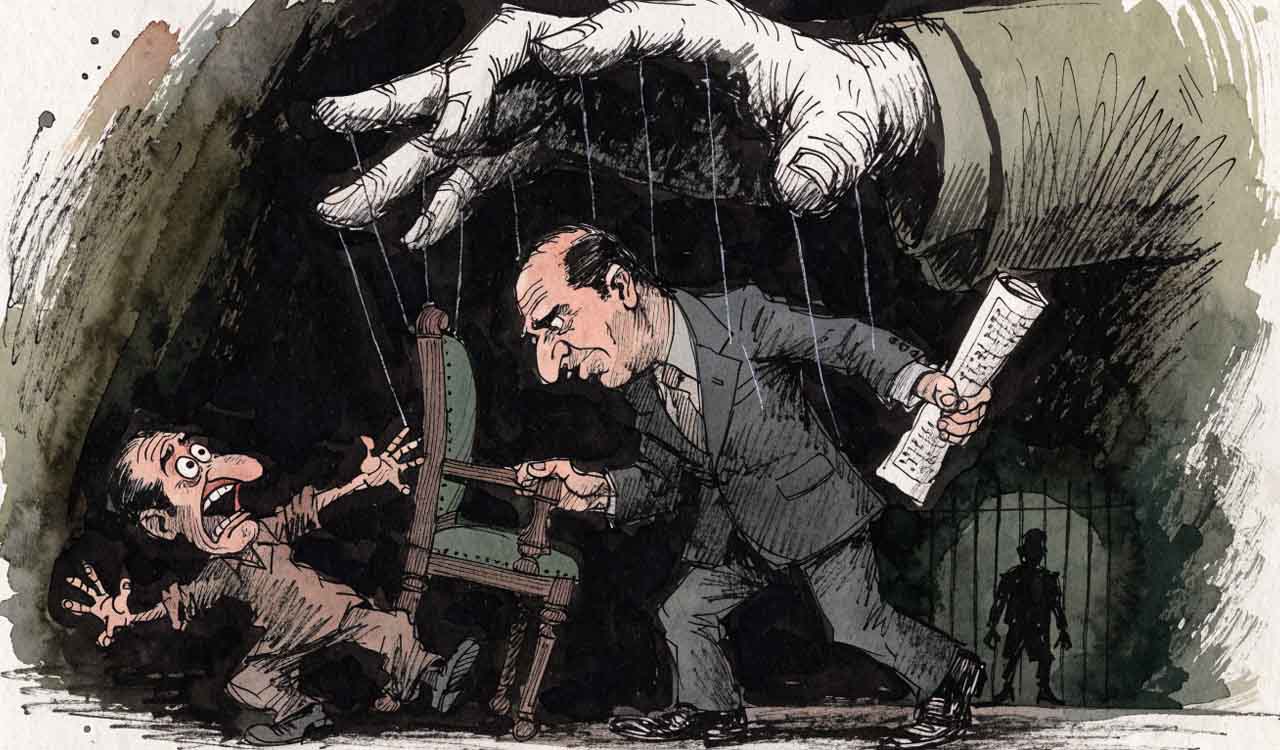
Bail is the rule and jail is an exception. This forms the core principle of the criminal justice system, a position advocated by the Supreme Court itself on several occasions in the past. However, the latest order denying bail to Umar Khalid and Sharjeel Imam—despite their having spent over five years in prison without trial in the 2020 Delhi riots conspiracy case—contradicts the apex court’s own dictum. This raises troubling questions about personal liberty, pre-trial detention, and due process. The SC has split the fate of seven people accused in the Delhi riots case registered under the stringent Unlawful Activities (Prevention) Act. It granted bail to five, while denying the same to activists Khalid and Imam on the basis of what it called a “hierarchy of participation”. Those who have been denied bail stand on a “qualitatively different footing” from the others, the bench, comprising Justice Aravind Kumar and Justice NV Anjaria, ruled. The apex court held that the statutory restrictions on bail must prevail in the case of these accused when the prosecution material is taken at its face value. However, the key question that arises here is whether it is not a violation of the fundamental right to life and liberty, guaranteed under Article 21, if an accused is allowed to languish in jail for five years without any trial. Unfortunately, the court chose to reject the argument that prolonged incarceration automatically entitled an accused to bail, warning against treating delay as a “trump card”.
If bail is denied because the accusations are serious, then the trial must proceed with urgency. Ironically, the trial is yet to commence. The trials, especially under extraordinary laws, must be conducted swiftly, because justice delayed is not only justice denied but also justice mocked. The charges against Khalid rest on a sweeping theory of conspiracy, tying together speeches, WhatsApp groups, and a set of witness statements that have repeatedly been challenged for their credibility. No act of violence has been attributed to him. Irrespective of whether one agrees with his political views, it is a national shame that a young doctoral student has been deprived of liberty for half a decade without trial, held under a law with a conviction rate of just two to three per cent, based on evidence that many seasoned jurists, scholars, and civil liberties groups have described as tenuous and speculative. The continued use of UAPA to target dissenting voices reflects a disturbing pattern of repression and selective justice. The denial of bail under such circumstances has justifiably evoked widespread outrage, with several opposition leaders and social activists arguing that it amounted to a violation of principles of natural justice. On the other hand, Dera Sacha Sauda chief Gurmeet Ram Rahim, a rape convict, has been granted parole 15 times since his conviction in 2017.
Also Read

Related News