Editorial: Gubernatorial actions under scanner
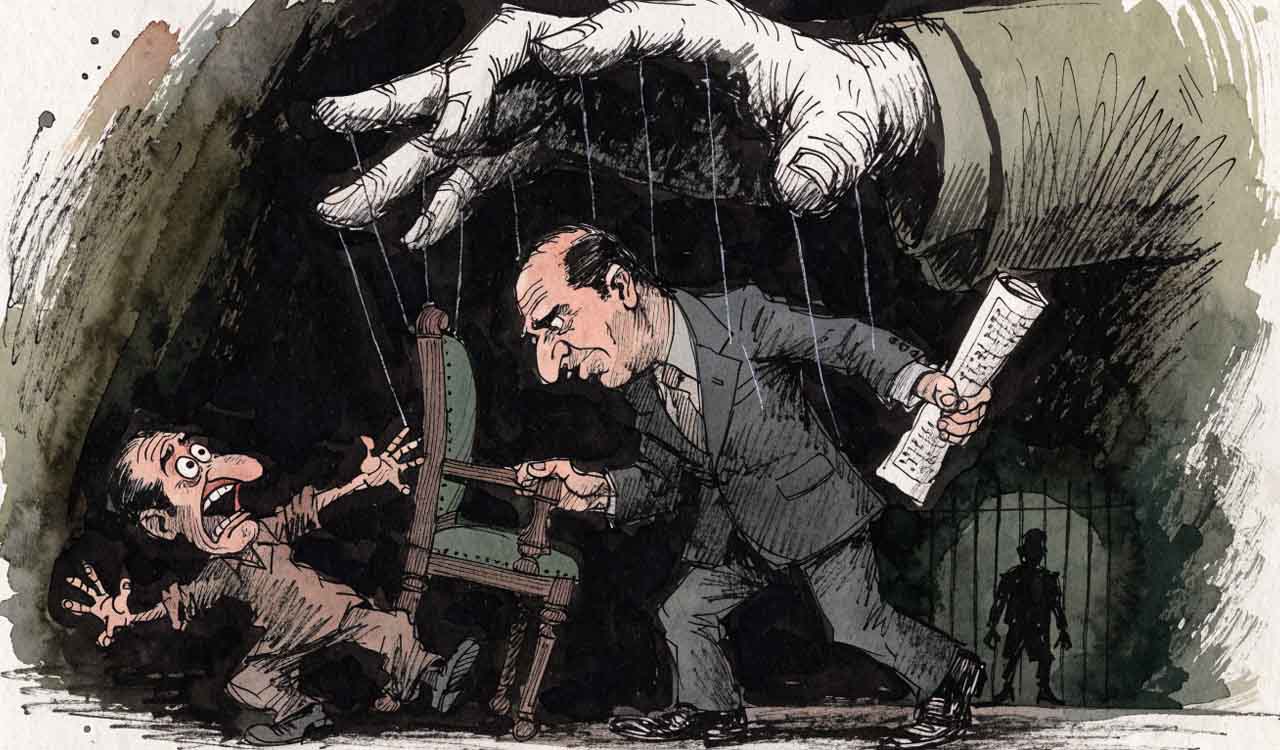
Floor test, not Lok Bhavan’s own arithmetic, is the proper instrument of democratic verification. The suspenseful drama in Tamil Nadu brings into focus the questionable role of Governor Rajendra Vishwanath Arleka in the entire episode
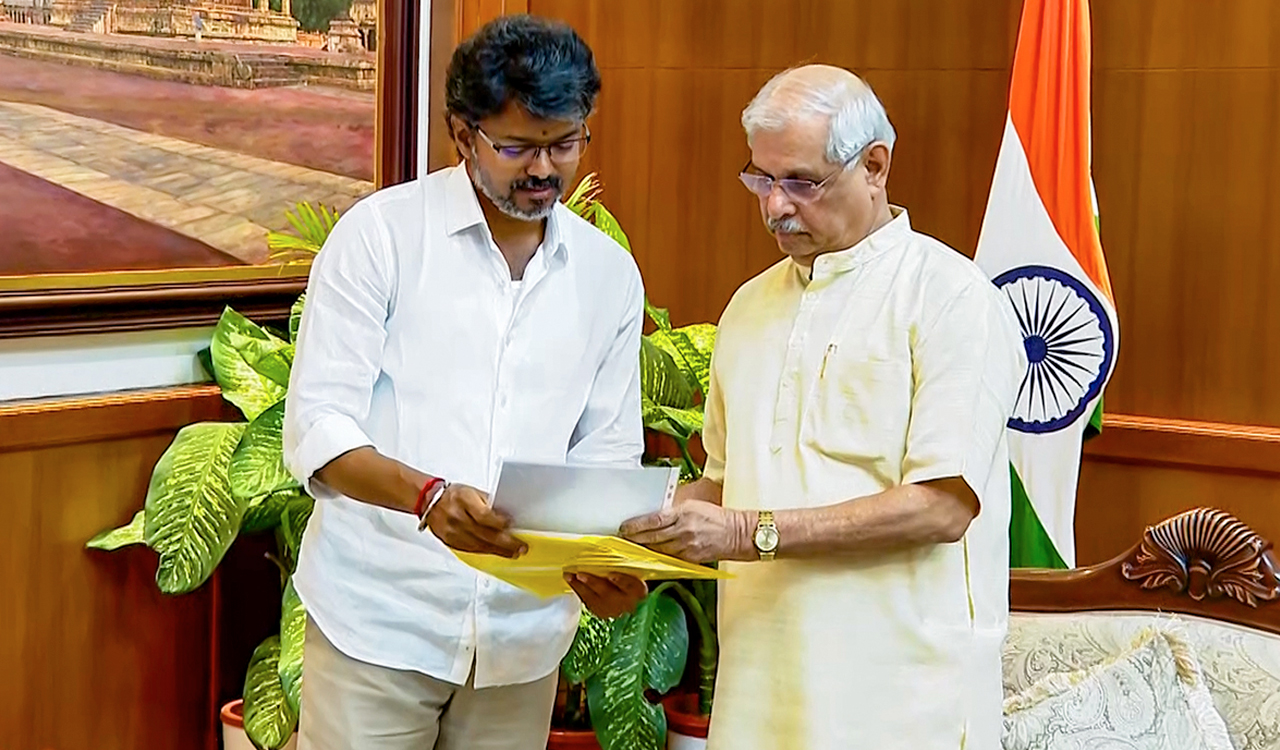


While the curtains have finally come down on the uncertainty over government formation in Tamil Nadu, providing much relief to the people of the State, the suspenseful drama has brought into focus the questionable role of Governor Rajendra Vishwanath Arleka in the entire episode. There was an unreasonable delay on his part in inviting the leader of the Tamilaga Vettri Kazhagam (TVK), Joseph Vijay—a popular film star who created history by dismantling the five-decade-long duopoly of the Dravidian parties—to form the government. The TVK emerged as the single largest party in the elections, bagging 108 seats in the 234-member Assembly, but fell ten short of the magic figure required to form the government. The Governor should have, without any hesitation, invited Vijay to form the government and prove the majority on the floor of the House at a later date. The constitutional position in the event of a hung verdict is very clear. Whether the government enjoys the support of the legislature should be decided on the floor of the Assembly, not in the Lok Bhavan. However, the Governor chose to insist on the numbers required to provide a stable government, triggering avoidable delay and unnecessary speculation. The fact that Vijay and his party leaders were made to run to the Lok Bhavan four times in the last few days to meet the Governor to stake claim to form the government shows an appalling lack of respect for constitutional propriety and procedures.
In the end, it turned out that the test of majority was virtually taken in the precincts of Lok Bhavan as Vijay was accompanied by representatives of the supporting parties during his fourth meeting with the Governor, where he handed over their letters of support. This finally ended the stalemate and prompted the Governor to permit Vijay to take oath as the Chief Minister. All this delay and drama could have been avoided if the Governor had adhered to the constitutional conventions. The Supreme Court has consistently held that the majority must be tested on the floor of the House and not the Lok Bhavan. In cases where no party gets the clear majority, the Governor has to simply satisfy himself as to whether the person staking a claim to chief ministership will be able to win the vote of confidence. He is to be guided by the constitutional conventions in cases of a fractured mandate. Floor test, not the Lok Bhavan’s own arithmetic, is the proper instrument of democratic verification. Governors must respect parliamentary conventions and allow the single largest party to demonstrate its majority in the Assembly rather than conducting a headcount in the corridors of Lok Bhavan. By not extending an invitation to the single largest party — while allowing confusion and alliance ambiguities to prevail–the Governor implicitly created space for an alternative alignment to emerge.

Related News