Editorial: Hantavirus, a global wake-up call
The hantavirus outbreak highlights rising zoonotic threats driven by climate change and human intrusion into wildlife habitats, raising urgent questions about global preparedness for future outbreaks
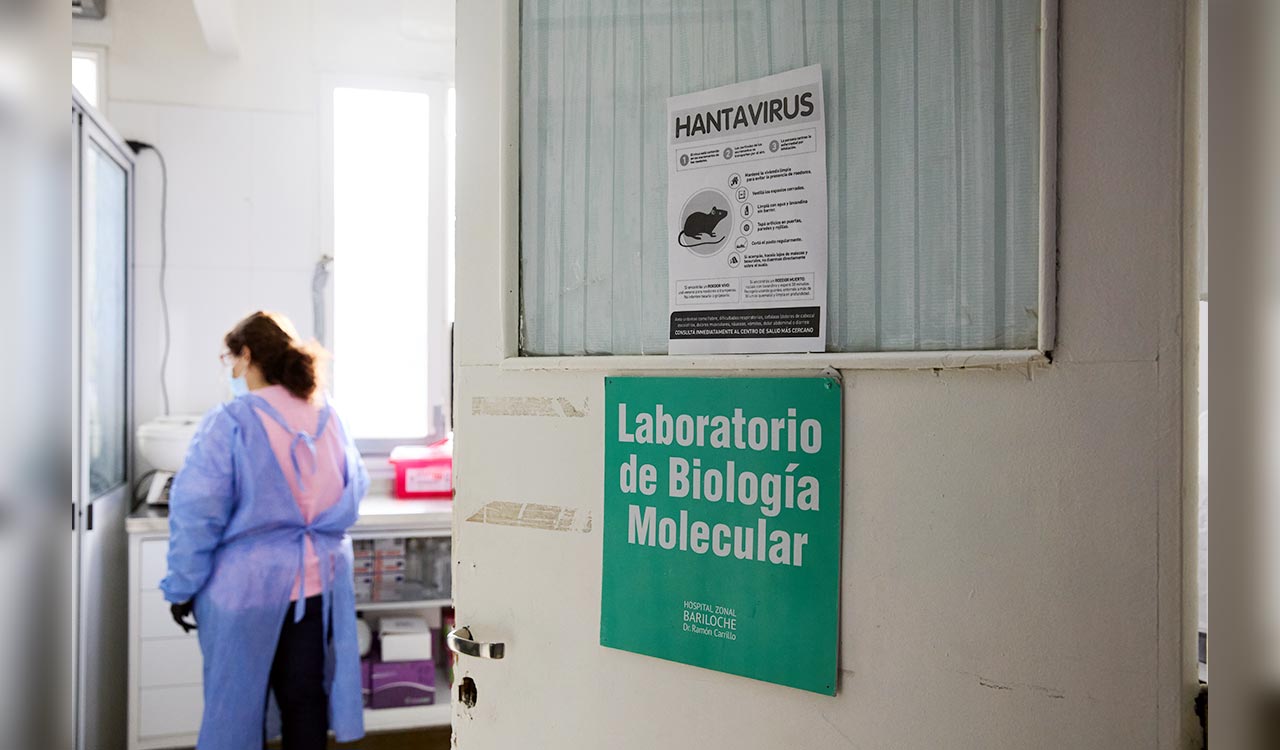


The recent hantavirus outbreak aboard the MV Hondius cruise ship has highlighted global vulnerabilities in interconnected travel networks and exposed gaps in international cooperation, particularly in the wake of the United States pulling out of agencies such as the World Health Organisation (WHO) and slashing funding for scientific research and infrastructure. While there is no need for panic, the question that needs to be asked is whether nations are adequately prepared to deal with such outbreaks. Fears of hantavirus — usually spread by wild rodents — turning into another Covid-19 pandemic are exaggerated, but it has a very high mortality rate. The outbreak on a trans-Atlantic cruise ship, which led to three deaths so far, is a wake-up call for scientists and health authorities across the world. This also comes as a warning that viruses will continue leaping from animals to humans, emphasising that the rarity of such diseases often leads to inadequate research and a lack of vaccines. There is neither a cure nor a vaccine for hantavirus, a zoonotic infection, meaning it originates in animals but can cause disease in humans. This virus, which causes fever, fatigue, nausea, and breathing difficulties, is typically contracted through rodent droppings and urine. Although infections are rare, the fatality rate ranges from 30% and 50%. The hantavirus strain involved in the current outbreak, the Andes strain, is the only known variant of the virus transmissible between humans. The WHO recommends strict isolation and six-week quarantine of those who may have contacted the virus.
Although the outbreak has been limited to the ship and the virus involved is not new, it has still raised global concern due to the fact that 147 passengers and crew members on board came from 23 countries, and 34 of them disembarked before the outbreak was identified. Outbreaks of infectious disease, such as hantavirus, remind us that in an interconnected world, we cannot erect walls high enough to keep every such disease out. The solution lies in global cooperation and transparent communication. This is particularly important at a time when international health agencies are coming under increasing pressure. Many grants focused on infectious diseases and pandemic preparedness have been cut in the United States. Alarmingly, the list of diseases that have jumped from animals to humans — including hantavirus, Ebola, avian influenza, and Covid-19 — grows longer every year. About three-quarters of all emerging infectious diseases are zoonotic. That is because humans are pushing deeper into wildlife habitats than in the past and because climate change is reshaping where animals live and breed. Given the way the world is changing and our populations are growing and moving, viruses will keep leaping from animals to humans.
Also Read

Related News