Editorial: India and UAE move ahead in bridging the Gulf
UAE President Sheikh Mohamed bin Zayed Al Nahyan’s surprise New Delhi visit, pledging deeper cooperation, underscores India’s rising strategic influence in the Gulf
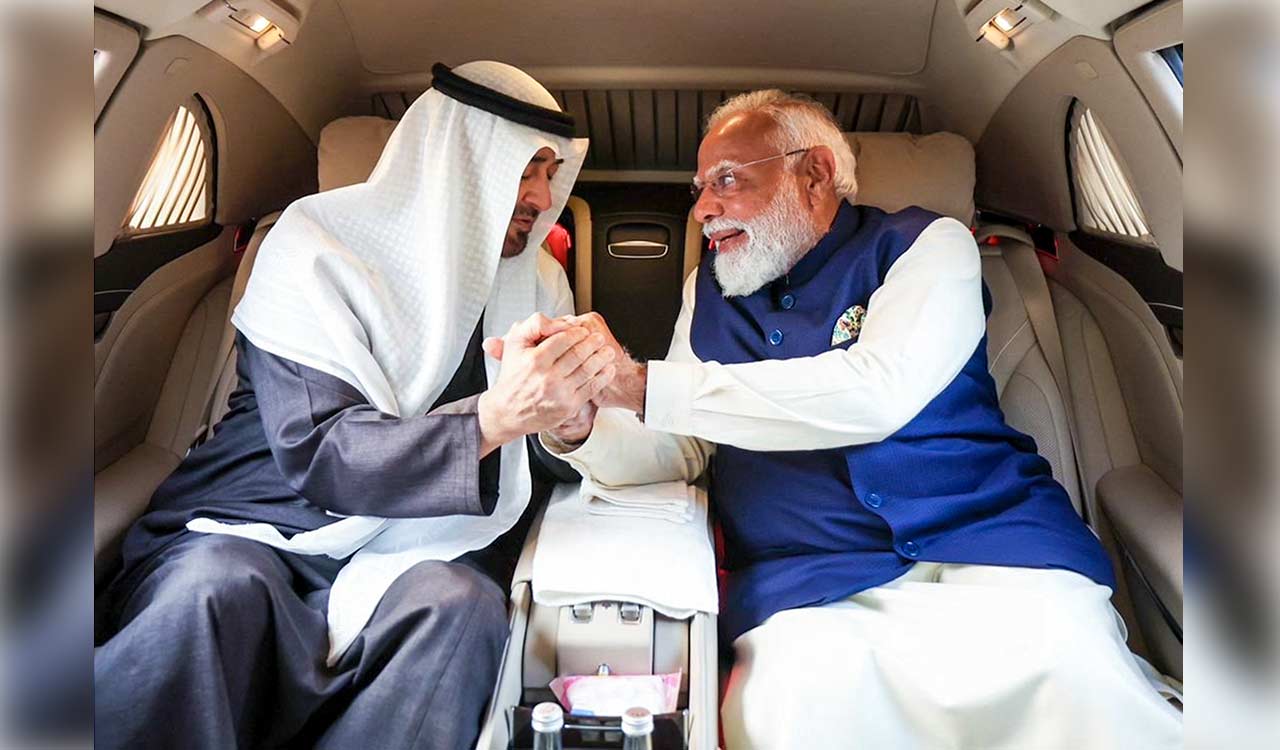


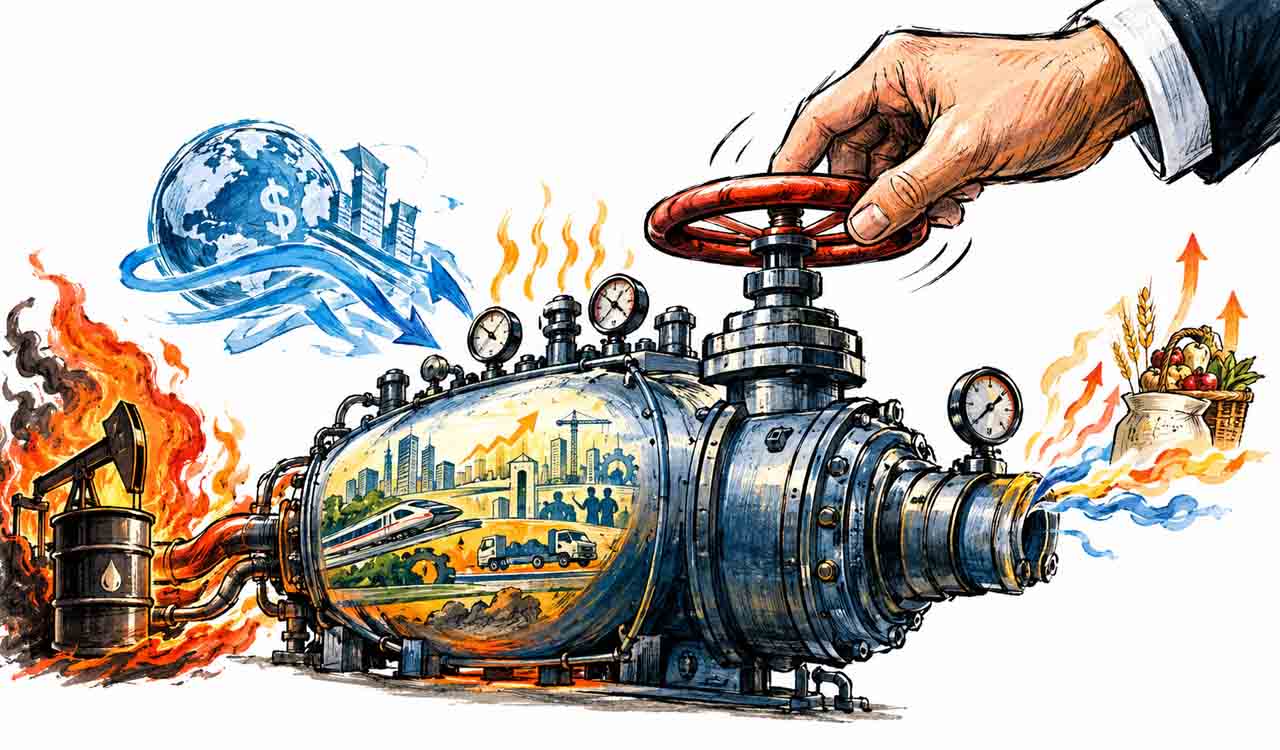
Given the increasing unpredictability of the global trade scenario, largely due to the maverick actions of United States President Donald Trump, India has been focusing on strategic hedging, expanding markets and accelerating free trade agreements with a number of countries. The outreach to Gulf countries to deepen the economic and cultural engagement is part of a wider diplomatic shift from transactional to strategic and from symbolism to substance. This elevated strategic partnership is also indicative of India’s growing influence in the Gulf, which is crucial for regional stability. A brief three-hour surprise visit to New Delhi by United Arab Emirates (UAE) President Sheikh Mohamed bin Zayed Al Nahyan and the extraordinary bonhomie that marked the engagements reflected the deepening friendship and expanding cooperation between the two nations. Prime Minister Narendra Modi broke protocol to greet him at the airport, and the two leaders exchanged a warm hug, a gesture that reinforced the close personal rapport that has come to define India-UAE ties in recent years. The visit, though brief, is being viewed as diplomatically significant, coming amid expanding cooperation between the two countries across defence, trade, energy, and regional security. It marks Al Nahyan’s third official visit to India since assuming office as UAE President and his fifth visit in the past decade. The two leaders also pledged to double the volume of bilateral trade from $100 billion to $200 billion by 2032.
Although the two sides signed several documents, the most important one is related to their intention to conclude a pact on defence partnership. The move is likely to send alarming signals to Pakistan, which considers itself a close defence ally of the UAE. The ‘Letter of Intent on defence’ came as the Gulf region is grappling with the repercussions of hostilities between the US-Israel and Iran over Tehran’s crackdown on protesters demanding the overthrow of the Islamic Republic government. Also, the pact comes at a time when the UAE is involved in a confrontation with Saudi Arabia over Yemen. The Saudi-Pakistan military alliance has been active in the Yemen theatre, which has increased pressure on the UAE, an erstwhile ally of Saudi Arabia in Yemen. The UAE, which lies directly across the Gulf from Iran, has consistently emphasised de-escalation and regional stability in its public messaging. India, which maintains diplomatic ties with Tehran and has strategic interests linked to connectivity, energy, and regional balance, has also been closely monitoring developments. The evolving situation in Iran forms part of the wider strategic context surrounding the UAE President’s visit. India and the UAE have significantly expanded cooperation across sectors in recent years, including trade, energy, artificial intelligence and super-computing, defence, technology, and strategic dialogue. The two countries signed a Comprehensive Economic Partnership Agreement in 2022, and senior leaders have maintained regular contact through visits and institutional mechanisms
Also Read

Related News