Editorial: Iran on edge
Iran's protests reflect broader discontent over repression, isolation, and the state’s inability to deliver stability or reform
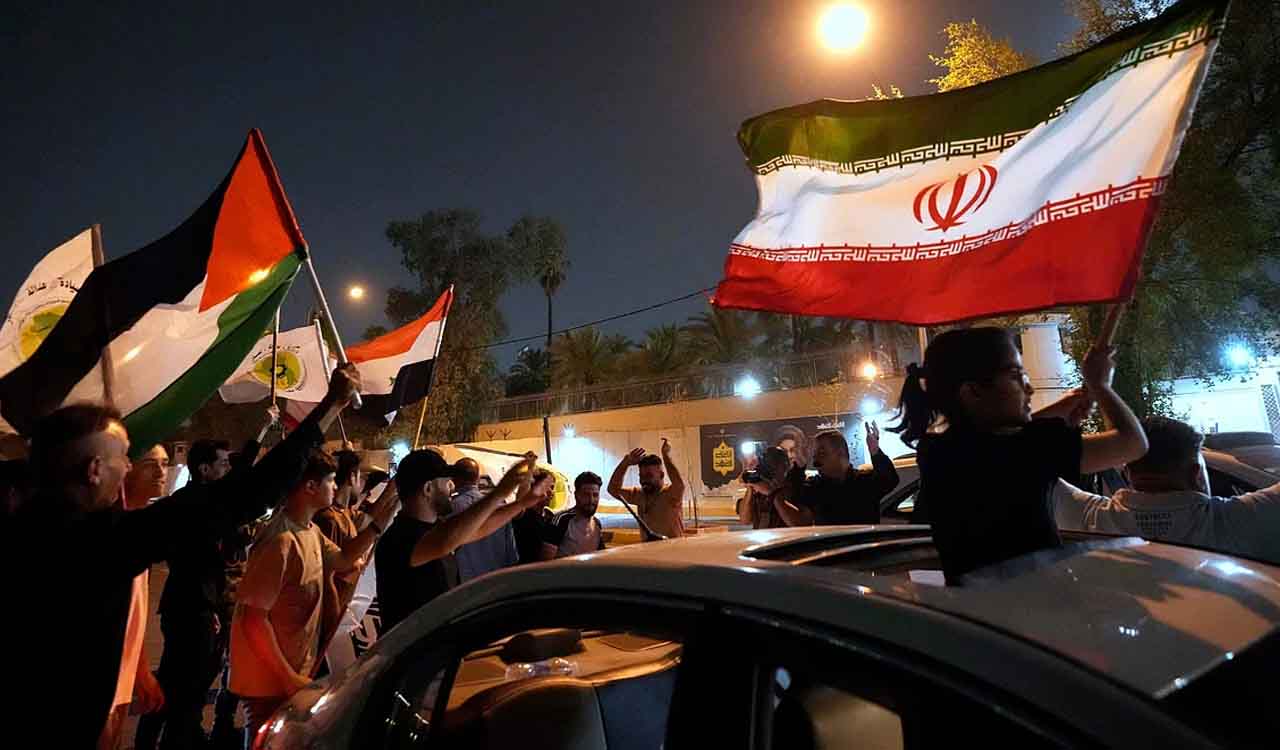


Iran is in the grip of turmoil, reminiscent of the massive nationwide anti-hijab agitation nearly four years ago. What began as a strike by shopkeepers in Tehran soon snowballed into countrywide unrest over the spiralling economic crisis. Years of corruption, ideological policymaking, and international isolation have produced cascading breakdowns. Economic distress has reached such an acute level that it now affects nearly every household. The collapse of the country’s currency, rial, has erased savings, while inflation has made basic food and medicines unaffordable. Yet what sustains the protests is not economic hardship alone; it is a widening perception of state failure, as basic services and household stability continue to erode. The systemic failure is a result of policies that prioritised ideology, regional ambition, and regime survival over competent governance. Iran has witnessed recurring mass protests, each triggered by different immediate causes but rooted in the same structural failures. Some were explicitly political, such as the 2009 Green Movement that followed disputed presidential election results and questioned the legitimacy of the system itself. Others were driven primarily by rights-based grievances, most notably the protests following the killing of a young woman, Mahsa Amini, which centred on women’s rights, personal freedoms, and state violence. Over the last decade, Iranians have repeatedly taken to the streets to protest against worsening living conditions, corruption, and repression. Over time, Iran’s rulers have failed to resolve the underlying problems, choosing instead to postpone reforms and rely on suppression. Across protest movements over different periods, economic concerns have consistently featured alongside demands for greater social freedom.
However, no fundamental reforms have been undertaken by successive governments. Economic legislations failed to keep pace with global developments. As a result, Iran became increasingly isolated from international markets, compounding internal crises and amplifying the impact of sanctions across nearly all sectors. It has suffered from longstanding structural problems that have not been addressed since 1980, as priorities linked to revolutionary ideology and its associated costs have taken precedence over building a resilient state economy. The current round of protests is primarily economic in origin, though it intersects with political and social issues. Economic distress has begun to affect nearly every family, every shopkeeper, and every worker. Mass protests in Iran arrive in cycles, each appearing more intense than the last, reflecting accumulated grievances rather than isolated incidents. Without meaningful economic reform and political accountability, Iran’s cycles of protest will not end; they will only return with greater intensity, broader participation, and deeper consequences. At the heart of the economic crisis lies the steady collapse of the national currency. The Iranian rial has been weakening for years, but the pace of decline in recent years has been devastating. The collapse has made imported goods, raw materials, spare parts, medicine, and even basic food items prohibitively expensive.
Also Read

Related News