Editorial: Mecca pact comes a cropper
Houthi attacks have cast doubt on the alliance’s value, with neither Islamabad nor Ankara showing any inclination to provide military assistance to Riyadh
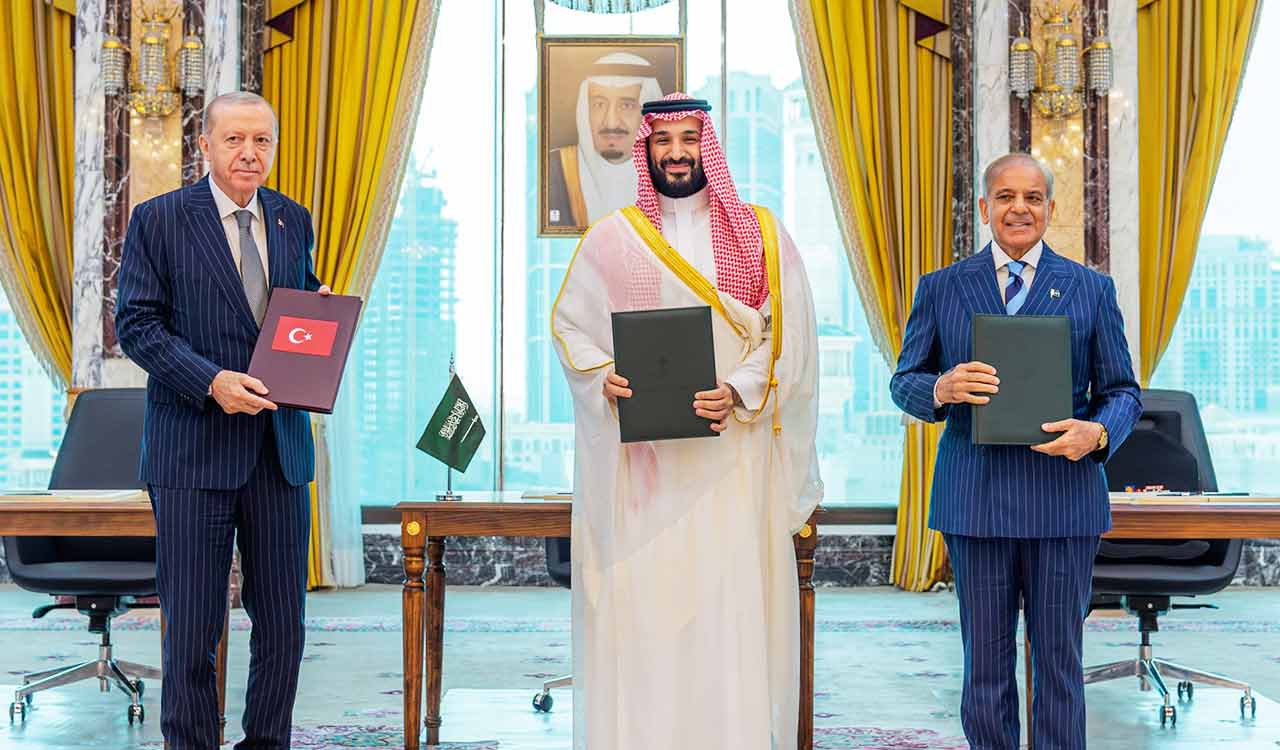


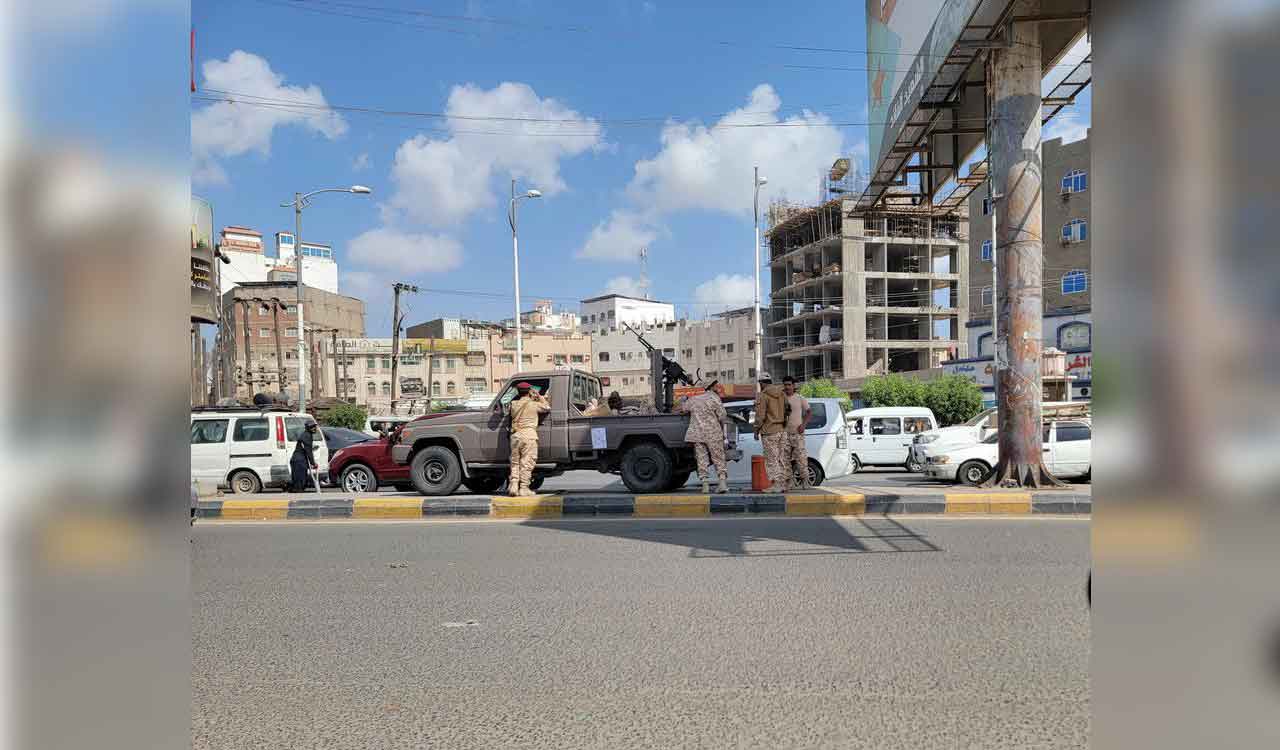
Though touted as “Islamic NATO” and brandished as a testimony to Islamabad’s growing international clout, the trilateral defence pact between Pakistan, Turkey and Saudi Arabia has come a cropper. Its efficacy and relevance have come under serious doubt amid escalating tensions in the region following a drone attack near the holy city of Mecca by Iran-backed Houthi militants. As per the terms of the defence agreement, aggression against one member would be treated as aggression against all three nations and responded to appropriately. However, what happened following the daredevilry attack by the Houthis was a meek condemnation statement from Pakistan. As a feeble and weak ally, Islamabad can only offer solidarity through statements but does not have the capability to provide any meaningful security assistance. This exposes the hollowness of the pact signed last month in Mecca by Saudi Crown Prince Mohammed bin Salman, Turkish President Recep Tayyip Erdogan and Pakistani Prime Minister Shehbaz Sharif. Modelled on NATO, it is based on the understanding that Saudi Arabia would finance defence projects, Turkey would provide advanced defence technology, and Pakistan would provide manpower. However, when put under stress, it performed poorly in operational terms. The Houthi attacks have put the alliance’s value into doubt, with neither Islamabad nor Ankara showing any inclination to militarily assist Riyadh. Earlier this month, Pakistan had warned the Houthis that an attack on Saudi Arabia could bring the pact’s collective defence clause into play, only to subsequently clarify that military action was not actually under discussion, thereby exposing the central ambiguity of the arrangement.
Pakistan’s cautious response is consistent with ordinary diplomatic posture; but if it is meant to function as genuine collective defence, the absence of any announced military contribution raises real questions about how the commitment would actually work in a serious conflict. This is the exact ambiguity nobody has resolved even after a strike near Islam’s holiest city. The Mecca Pact has, so far, functioned more as a political and diplomatic signalling mechanism — marking a symbolic step away from reliance on Washington — than as an operational military alliance. Its first real test produced statements of solidarity and legal ambiguity rather than any joint military action, exposing the gap between its NATO-style rhetoric and its unclear, untested implementation mechanics. The Saudi-Houthi conflict traces back to Yemen’s civil war, which escalated when the Houthis seized the capital Sanaa in 2014-15, prompting a Saudi-led military coalition to intervene in support of Yemen’s internationally recognised government. What followed was nearly a decade of brutal war, missile exchanges into Saudi territory, and a devastating humanitarian crisis in Yemen. A UN-brokered truce in April 2022 largely halted Houthi attacks on Saudi territory, bringing a period of relative calm. However, hostilities have escalated again recently after the Houthis launched ballistic missiles and drones at several Saudi cities.
Also Read

Related News