Editorial: Mecca pact — shifting sands, moving goalposts
India cannot afford to view the Mecca defence pact as mere symbolism; it could strengthen Pakistan’s strategic position and require sustained diplomatic engagement with Riyadh and Ankara
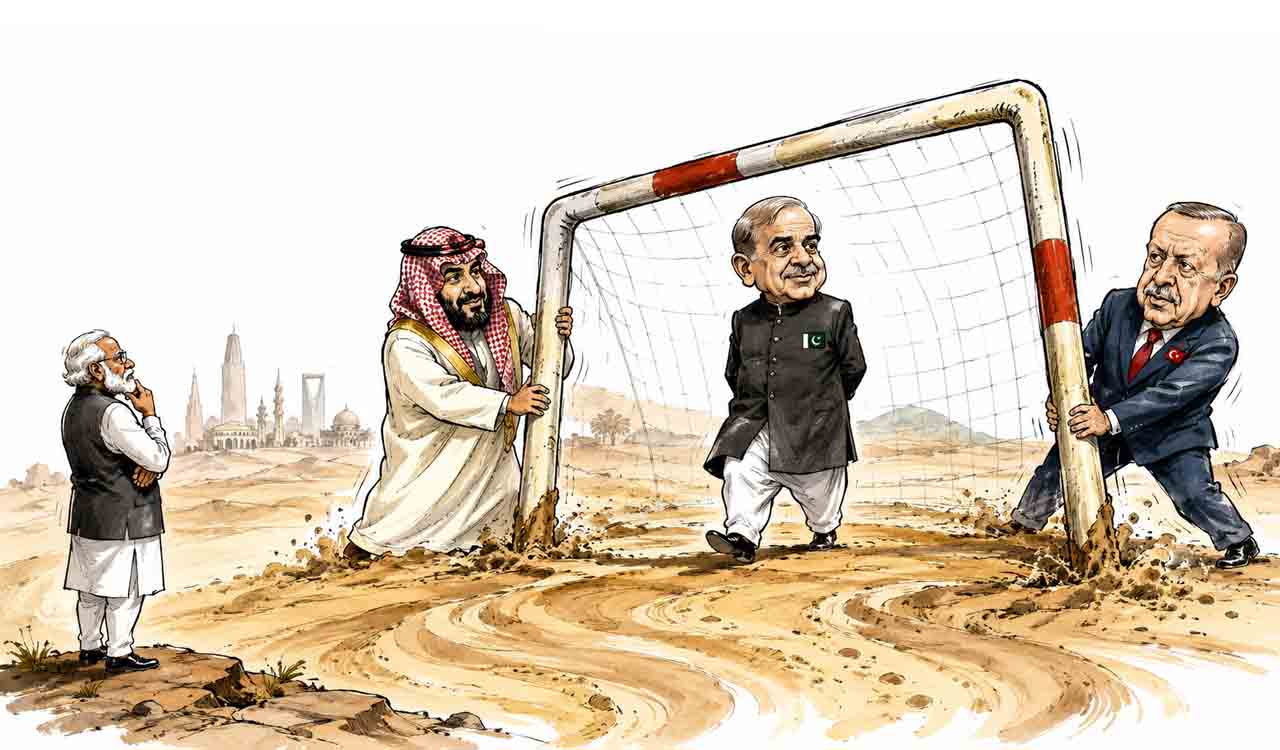


The timing and context of the NATO-style defence agreement between Saudi Arabia, Turkey and Pakistan raise curiosity among geopolitical observers. Though touted in some circles as “Islamic NATO”, it should be seen less as an ideological grouping and more as a pragmatic risk-pooling exercise by states that no longer take American reliability for granted. The pact reflects the changing security scenario in turbulent West Asia and the growing anxieties of nations impacted by the conflicts. Faced with the prospect of a reduced American strategic presence in West Asia, regional powers have begun looking beyond the traditional American security umbrella for new partnerships. In September 2025, a few weeks after Israel bombed Qatar, Pakistan and Saudi Arabia announced a bilateral defence agreement. The war on Iran, which saw Tehran retaliating by striking American bases across the Persian Gulf, and Israel’s wars in its neighbourhood, have further deepened the security concerns of Saudi Arabia and Turkey. The trilateral defence agreement, signed in the holy city of Mecca by Saudi Crown Prince Mohammed bin Salman, Turkish President Recep Tayyip Erdogan. and Pakistani Prime Minister Shehbaz Sharif, has security implications that go beyond the region. For India, the most consequential piece of this pact is not Saudi Arabia or Turkey individually but what it does for Pakistan’s strategic position. Islamabad now sits inside a formal collective defence arrangement. Even without a confirmed nuclear umbrella, the pact gives Pakistan diplomatic cover, potential access to Gulf financing and Turkish military hardware, and a psychological sense of insulation.
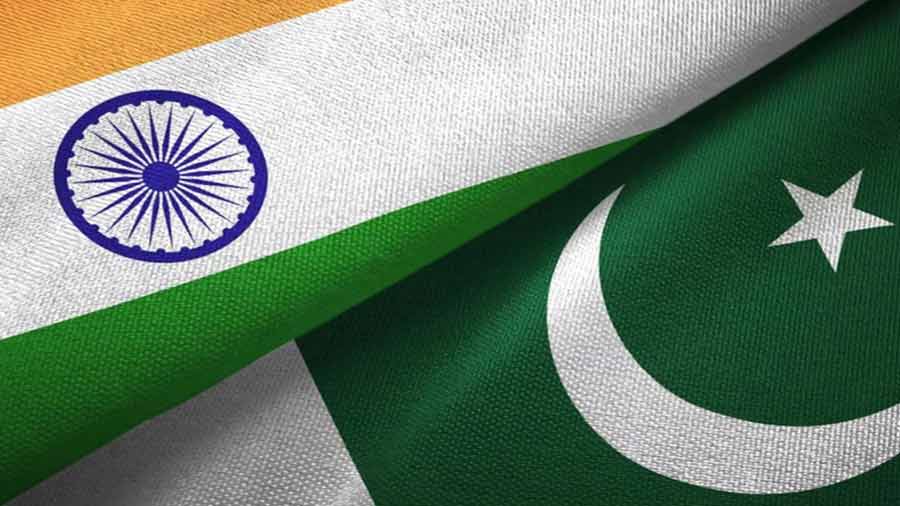
If Islamabad calculates that escalation with India now carries lower diplomatic costs — because it has powerful friends who will speak up, or apply pressure on its behalf — the threshold for provocation along the Line of Control or in a future crisis could shift. That poses a planning problem for the Indian military, not merely a talking point for diplomats. Turkey’s defence relationship with Pakistan already runs deep. It has also been one of the more vocal international critics of India’s position on Kashmir. Formalising Ankara’s military commitment to Islamabad through a mutual-defence clause deepens a partnership India already views warily, and gives Turkish drone and defence-export diplomacy an even larger footprint in South Asia. The Mecca Agreement is unlikely to translate into an immediate operational threat for India, as its architects themselves describe it as a framework for closer coordination rather than a binding war-fighting alliance. But India cannot afford to read it only as symbolism because Islamabad now has a formal defence relationship with two militarily significant countries outside South Asia. A sustained diplomatic engagement with Riyadh and Ankara is necessary to ensure the pact’s ambiguous edges — particularly around any future crisis with Pakistan — do not harden into automatic positions against India. India’s substantial economic leverage with Saudi Arabia gives it real room to shape how Riyadh calibrates its role.
Also Read

Related News
-

Saudi-led coalition vows firm response to Houthi attack on Riyadh airport
-
‘Unacceptable’: India condemns attack on Saudi airport, calls for immediate cessation
-
12 killed, 309 injured in attack on Riyadh airport as Houthis, Saudi Arabia trade strikes
-
India warns of fitting response to any terror attack by Pakistan