Opinion: Iran on the brink—Why escalation in West Asia will cost India dearly
Iran’s crisis is a stress test for global restraint—and for India’s ability to navigate a fractured world order


By Brig Advitya Madan (retd)
Iran today stands at a precarious crossroads where external pressure intersects with deep internal economic and political stress, creating conditions ripe for regional instability. What is unfolding is not simply a confrontation over nuclear facilities or military deterrence; it is a wider crisis with implications for global energy markets, West Asian security, and India’s strategic interests.
Also Read
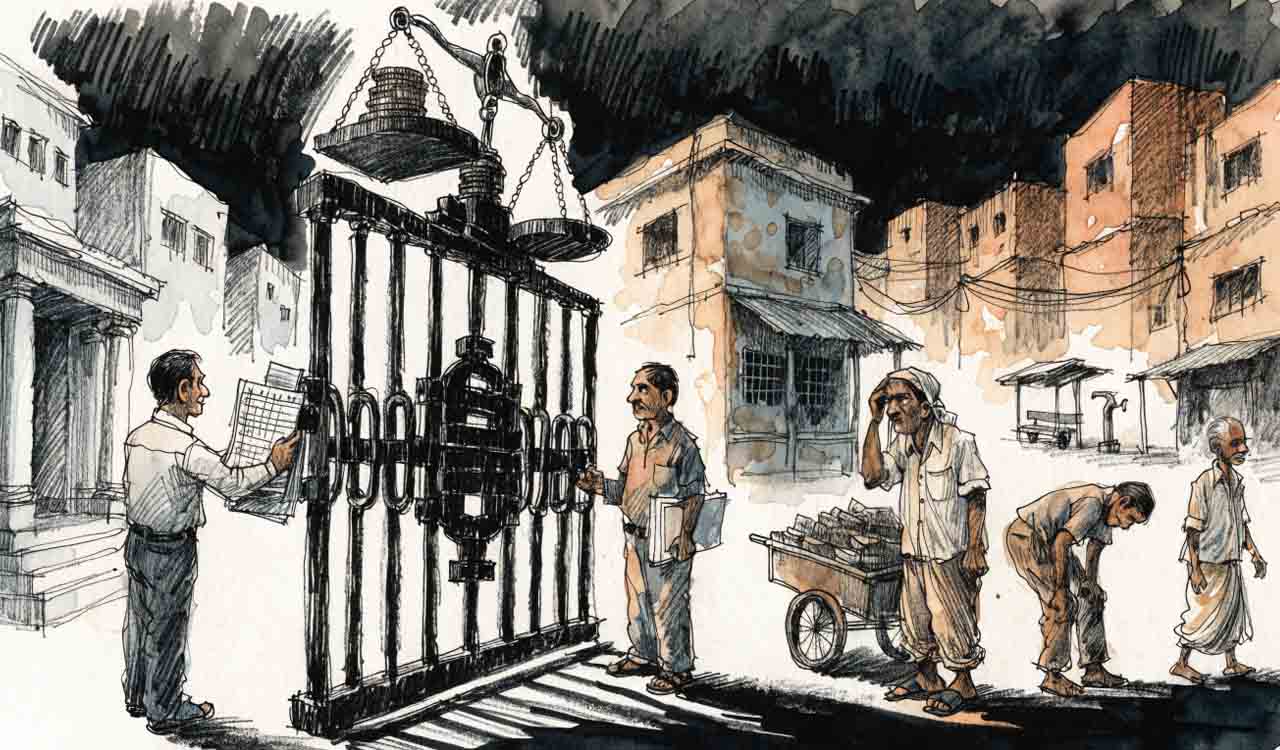
The roots of Iran’s vulnerability lie in its economic deterioration following the US withdrawal from the Joint Comprehensive Plan of Action (JCPOA) in 2018. The reimposition of stringent sanctions severed Iran from global financial systems and oil markets, triggering runaway inflation, high unemployment, and a sharp depreciation of the rial (or toman). Everyday life for Iranians has been marked by rising food prices, fuel shortages, and declining purchasing power. These pressures have been compounded by endemic corruption and chronic shortages of water and electricity, particularly in urban centres.
1979 Islamic Revolution
What began as localised labour strikes gradually escalated into the largest wave of unrest since the 1979 Islamic Revolution. The Mahsa Amini protests transformed economic grievances into a broader challenge to Iran’s social restrictions and political repression, especially those affecting women. Yet power remains tightly concentrated within a theocratic structure dominated by the Supreme Leader, Ayatollah Ali Khamenei, leaving little institutional space for reform. The state’s reliance on repression has contained dissent but deepened societal fractures.
Externally, Iran’s strategic environment has deteriorated. The erosion of its regional influence—through setbacks to Hezbollah, Hamas, and the Houthis, and reversals in Syria—has weakened Tehran’s deterrence architecture. Reports of degradation to Iranian nuclear and military infrastructure in June 2025 further exposed vulnerabilities. For regional rivals such as Israel, Saudi Arabia, and the UAE, this moment appears to offer an opportunity to constrain Iran decisively, increasing the risk of escalation.
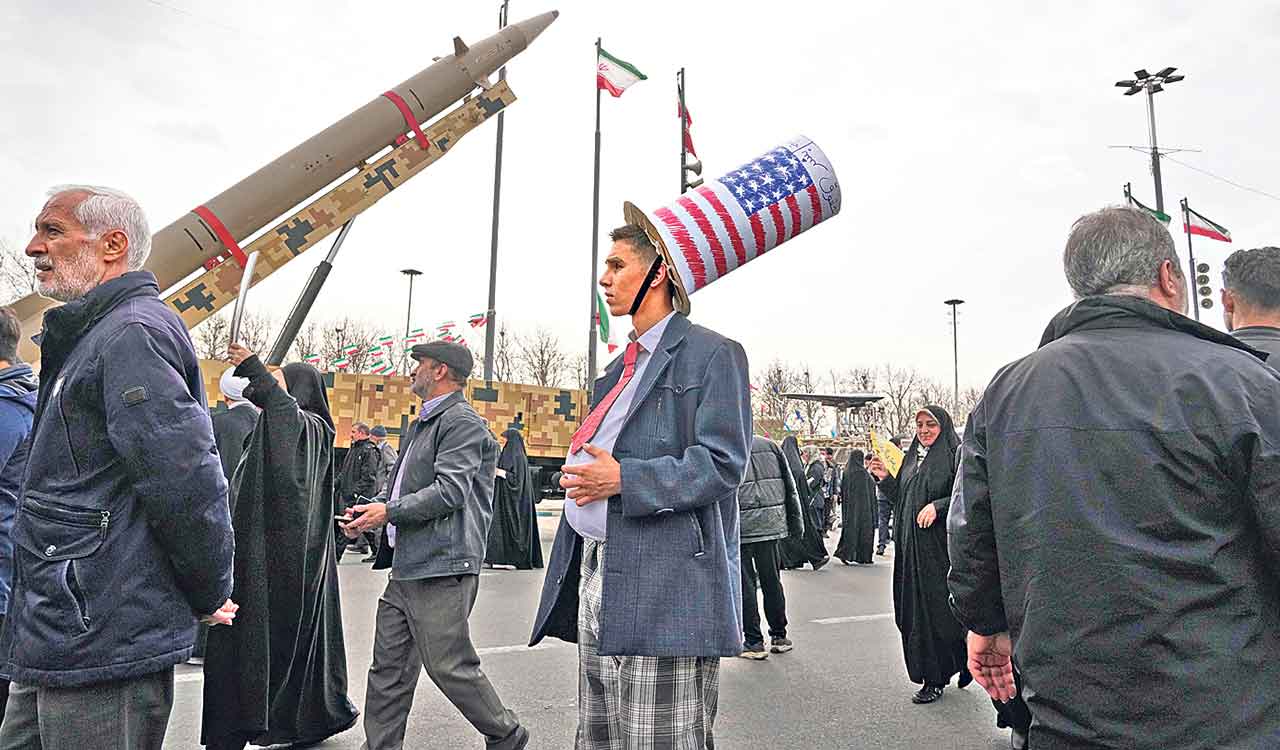
Iran’s extensive missile arsenal acts as a powerful deterrent, capable of overwhelming air defences and inflicting significant damage on US bases and allied infrastructure
Any such escalation, however, would have grave regional and global consequences, particularly for energy security. Nearly 20% of the world’s oil supply transits the Strait of Hormuz, a narrow maritime chokepoint where even limited disruption could trigger a surge in oil prices, rerouting of shipping, higher insurance premiums, and global inflationary pressures. For India, a major energy importer, such a shock would directly affect growth, inflation, and fiscal stability.
India’s stakes extend well beyond energy. New Delhi has invested Rs 370 crore in Iran’s Chabahar port, a strategic project that underpins India’s connectivity to Afghanistan and Central Asia while bypassing Pakistan. Indian Basmati rice exporters rely heavily on Iranian markets, and nearly 10,000 Indian nationals reside in Iran. A destabilised Iran could also undermine India’s development projects in Afghanistan if instability spills across borders. Managing these interests while maintaining balanced relations with Iran, Israel, the United States, and Gulf partners will test Indian diplomacy.
The danger of escalation is heightened by the likelihood of proxy warfare. Hamas, Hezbollah, and the Houthis remain instruments through which Iran can impose costs without a direct confrontation. A proxy-driven conflict could spread across Gaza, Lebanon, Iraq, Syria, the Red Sea, and the Gulf, destabilising the entire Middle East. Refugee flows into Iraq, Turkey, Afghanistan, and Pakistan would further strain fragile states and exacerbate regional insecurity.
No ‘Clean strike’ Option
Despite visible military posturing—US jets, destroyers, and aircraft carrier groups deployed across Jordan, Bahrain, Qatar, and near the Strait of Hormuz—a full-scale war remains unlikely. US domestic politics does not favour a prolonged conflict, particularly one with no clear endgame. Iran’s extensive missile arsenal acts as a powerful deterrent, capable of overwhelming air defences and inflicting significant damage on US bases and allied infrastructure. Compounding this is the high cost of missile defence: the United States is reportedly running low on expensive interceptors, making sustained defence against saturation attacks economically unsustainable.
Crucially, there is no “clean strike” option against Iran. Unlike smaller or isolated adversaries, Iran’s geography, population size, and regional entanglements mean that any military action risks devolving into a prolonged, multi-front conflict. High retaliation costs—especially through proxies—make escalation unattractive even for Iran’s adversaries.
This strategic reality explains renewed diplomatic efforts, with Oman once again playing a quiet mediating role. Yet negotiations remain constrained by incompatible objectives: Iran seeks talks limited strictly to its nuclear programme, while the United States insists on addressing Iran’s missile capabilities and regional proxy networks. This mismatch renders diplomacy fragile but indispensable.
Ultimately, the crisis around Iran is being driven by strategic competition over energy routes, regional dominance, and nuclear capability. While the United States and Israel seek to degrade Iran’s strategic assets without triggering war, Iran relies on deterrence, ambiguity, and proxy leverage to survive under pressure.
The Indian Imperative
For India, the lesson is clear. New Delhi must prioritise de-escalation, energy security, and strategic autonomy. This requires sustained engagement with all sides, protection of Indian investments and diaspora interests, diversification of energy sources, and support for diplomatic initiatives that prevent a wider regional war. A conflict involving Iran would produce no winners—only prolonged instability with severe consequences for West Asia and the global economy.
Iran’s crisis is no longer a regional issue alone; it is a stress test for global restraint—and for India’s ability to navigate a fractured world order with prudence and purpose.
(The author is a retired Army officer)

Related News