Editorial: New political era, new challenges
Immediate challenges before the new administration are the restoration of the rule of law, economic recovery and resetting the strained ties with India
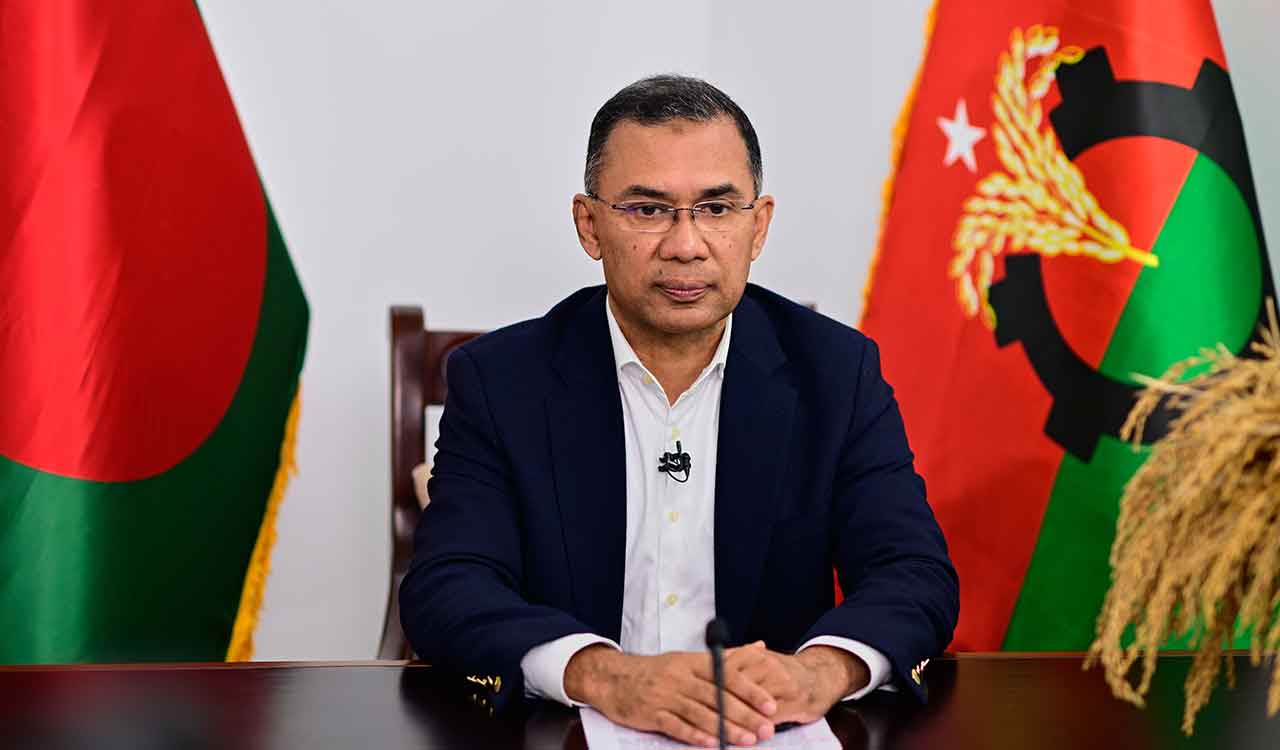


After securing a sweeping mandate in the national elections that barred his main challenger — the Awami League — from contesting, Tarique Rahman of the Bangladesh Nationalist Party (BNP) is all set to steer the destiny of the strife-torn nation, promising a new era of stability and reforms. Returning to the country after a prolonged exile in London, it’s a trial by fire for the son of former Prime Minister Khaleda Zia as the election marks the dawn of a new era for a nation that has witnessed turbulence for the better part of its existence. His leadership skills will be tested from day one. Bangladesh has remained in limbo for a year and a half after the ignominious end of Sheikh Hasina’s 15-year rule. Political unrest, attacks on minorities and economic disruption have left deep scars. The immediate challenges before the new administration are the restoration of the rule of law, economic recovery, resetting the strained ties with India, reining in the growing activities of the Islamist groups, ensuring the safety and security of the Hindus and restoring internal party discipline. A major disquieting feature of this election was that one of the nation’s founding forces—the Awami League—was absent from the ballot, robbing the poll process of its legitimacy. The mainstreaming of Jamaat-e-Islami (JEI), an ally turned rival of the BNP, is a cause of concern for those who want the country to remain secular and pluralistic.
The JeI, which was banned twice in the past, has now won a significant number of Parliament seats. Its website clearly states that Jamaat “performs in the political arena because Islamic law can’t be implemented without political force”. Already, there is a clamour from a motley group of extreme right-wing outfits to declare Bangladesh an Islamic nation. Founded by a military leader and President, Ziaur Rahman, and later led by his widow, Khaleda Zia, the BNP has long advocated a nationalist ideology focused on sovereignty, identity, and strategic distance from India. Under Tarique Rahman, these core principles would be put to the test under changed circumstances. Decades in exile appear to have moderated the tone and tenor of his worldview as his statements suggest a greater focus on institutional building, economic stability and calibrated foreign engagement. The landslide win gives the BNP ample parliamentary strength to make decisions that can shape Bangladesh’s future. It would be in its own interest that the party avoids triumphalism and instead prioritises reconciliation as well as justice. Its appeal to supporters to refrain from large-scale celebrations was a prudent first step. Beyond domestic concerns lies the delicate balancing act of foreign policy. Dhaka’s relations with Delhi have deteriorated sharply over the vexed issue of Hasina’s extradition, even as its ties with Islamabad are on the upswing. The formation of an elected government offers India an opportunity to rebuild ties rooted in a shared history and economic interdependence.

Related News