Editorial: Punjab anti-sacrilege Bill — Throwback to colonial-era legislative vigilantism
The Jagat Jot Sri Guru Granth Sahib Satkar (Amendment) Bill, 2026, raises concerns over vague definitions, misuse, and threats to free speech
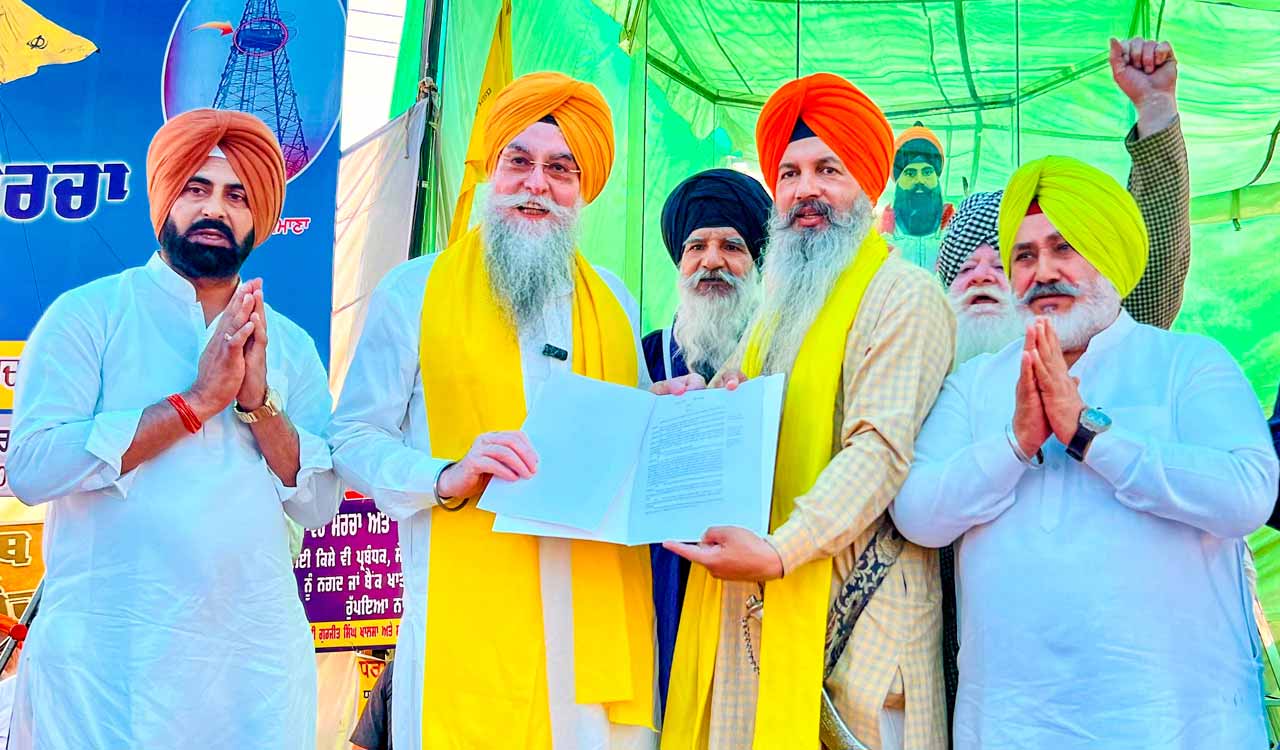


There is no place for blasphemy laws in a secular country like India, where free speech and religious diversity are celebrated. An anti-sacrilege legislation, passed by the Punjab Assembly recently, is an incongruous move that risks endangering free speech and could even embolden religious fundamentalism. The Jagat Jot Sri Guru Granth Sahib Satkar (Amendment) Bill, 2026, seeks to impose stricter punishment, including life imprisonment along with a fine of up to Rs 25 lakh, for any person found guilty of desecrating the Guru Granth Sahib. The sweeping definition of what amounts to hurting the religious sentiments leaves enough scope for potential misuse of the law. More alarmingly, it could grant a licence to those who would invoke the fig leaf of “hurt sentiments” to target and silence others. While seeking to put in place a deterrence to curb the incidence of “sacrilege of Holy Scriptures”, it leaves the term sacrilege undefined. This amounts to abandoning the basic jurisprudential safeguards of criminal justice. There are genuine concerns over its potential misuse by law enforcement agencies when applied to non-Sikhs who are unfamiliar with Sikh religious tenets. There is a possibility that fabricated evidence could be used by police to falsely implicate individuals. It is unfortunate that the AAP government has pushed the legislation, disregarding the objections and concerns voiced by former bureaucrats, civil society organisations and rights activists. With an eye on the Assembly elections next year, the AAP government appears keen on placating a vocal section of the electorate.
Asserting authority over the Shiromani Gurdwara Parbandhak Committee (SGPC) appears to be the other unspoken objective of the government. Historically, the SGPC has controlled gurdwara affairs by mandating stricter oversight over the publication of the Sikh holy book. The Bill, the third such attempt, is the most stringent. The first, tabled in 2016 by the Akali-BJP government, was rejected by the Centre for discriminating against other religions, while the second, brought in during the Congress government in 2018, did not receive the Governor’s assent. The latest comes more than a decade after a series of sacrilege incidents rocked the State. On June 1, 2015, the Guru Granth Sahib was stolen from a gurdwara in Burj Jawahar Singh Wala village in Faridkot. Four months later, its torn pages were found in neighbouring Bargari village, along with anonymous posters claiming the act was retribution for alleged disrespect to the head of the Sirsa-based Dera Sacha Sauda. The protests that followed were seen to be the final nail in the coffin of the then Akali government. In a State that takes pride in its secular ethos, despite the intricate interplay of religion and politics in its public life, there is no place for special anti-sacrilege legislation, as the existing laws are adequate in punishing insults to religion and scriptures. Blasphemy laws go against the very grain of a secular polity.
Also Read

Related News