Editorial: RBI tightens the belt for tough days ahead
The central bank's decision to maintain the status quo signals a careful balancing act between controlling inflation and supporting economic growth in an increasingly uncertain global environment
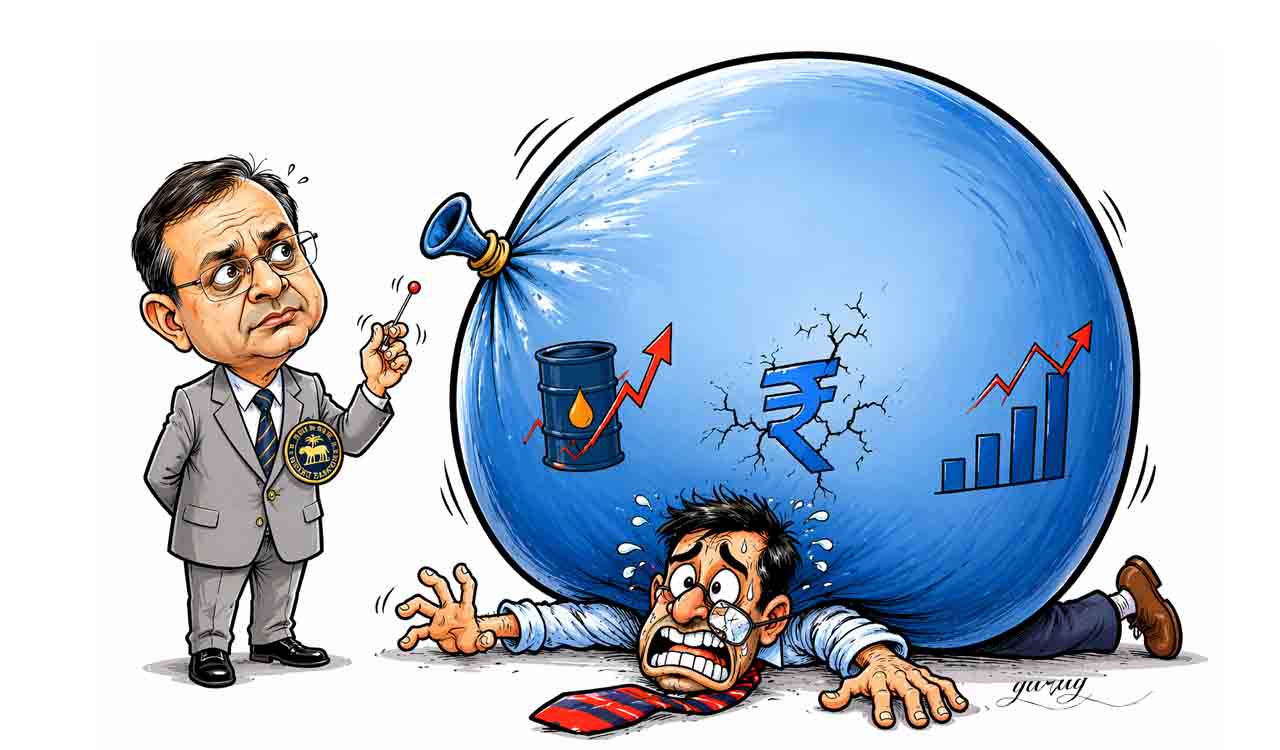


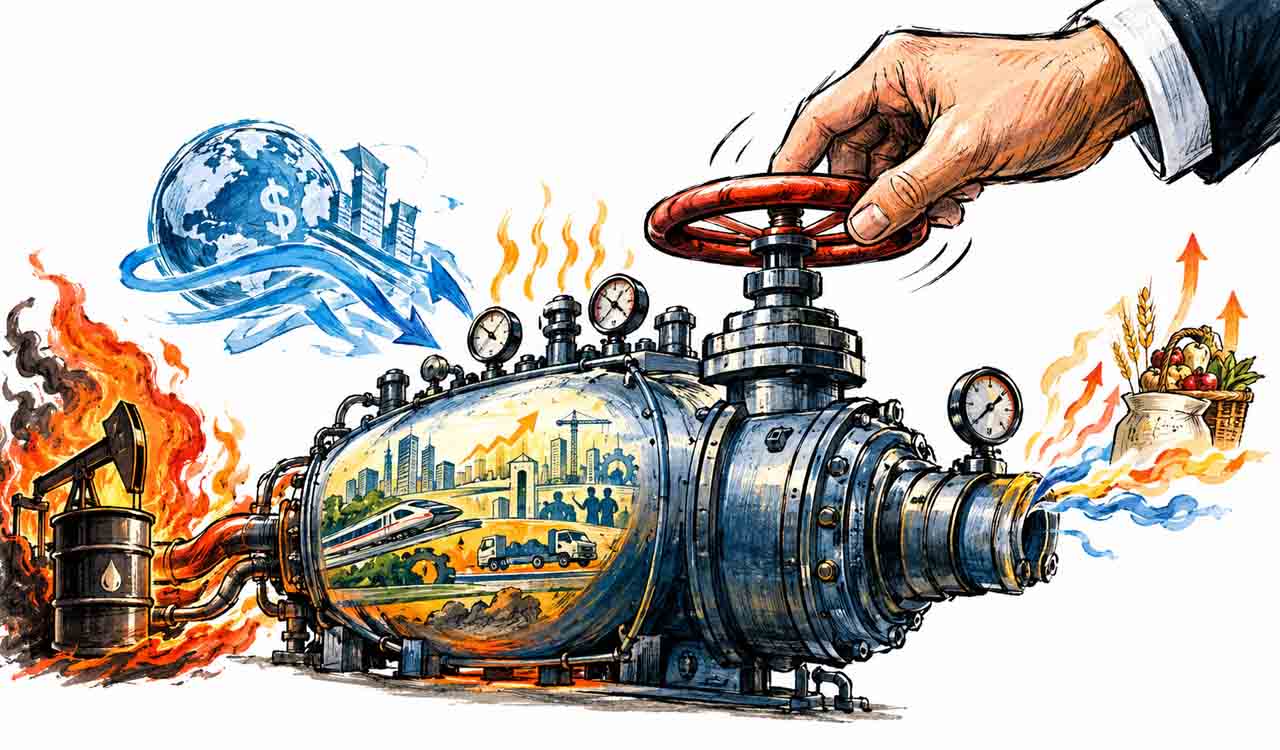
For years, the Indian economy was largely seen as being comfortably placed in a “Goldilocks” zone — an ideal combination of strong growth and low inflation. This may well change now because of a rude reality check. The external shocks stemming from rising political tensions have jolted the country out of its comfort zone. The Reserve Bank of India’s latest decision to keep the benchmark repo rate unchanged at 5.25% reflects this realisation and a clear shift from confidence to cautious vigilance. The unanimous decision by the six-member Monetary Policy Committee (MPC) signals a careful balancing act between controlling inflation and supporting economic growth in an increasingly uncertain global environment. The MPC voted to maintain the status quo, acknowledging rising external risks. Retaining its “neutral” policy stance means that the central bank is open to either raising or cutting rates in the future, depending on emerging economic conditions. The decision comes at a time when both domestic and global factors are pulling the economy in different directions. A major factor influencing the cautious approach is the ongoing war in West Asia, notwithstanding a fragile two-week ceasefire currently underway. Since India is highly dependent on oil imports to meet its energy needs, rising crude oil prices pose a direct risk to both inflation and growth. While inflation has remained relatively stable and close to the RBI’s target of around 4%, policymakers are wary of higher fuel costs pushing up prices across sectors. The last repo rate cut was in June 2025.
Though India’s economic fundamentals remain strong, global shocks could slow this trajectory, prompting the RBI to adopt a wait-and-watch approach. If inflation rises due to oil prices or global shocks, rate hikes may follow. If, on the other hand, growth slows significantly, rate cuts could be an option. For now, the central bank prefers policy stability over aggressive action while navigating a complex economic landscape marked by a weakening rupee and raging global conflicts. The rupee’s slide since the start of the conflict has emerged as the RBI’s primary concern and drawn much of its focus in recent days. Since the last policy meeting in February, there have been growing geopolitical uncertainties. While inflation remains in check, upside risks have risen. India’s economy was forecast to grow by more than 7% in the current fiscal, while inflation was expected to remain close to the RBI’s target of 4%. But a sharp rise in oil prices since the outbreak of the Iran war is expected to bring down growth sharply and spur inflationary pressures. For borrowers, investors, and businesses alike, this pause offers short-term clarity, but the road ahead remains closely tied to global developments. For home and personal loan borrowers, the unchanged repo rate means EMIs are likely to remain stable for now. Deposit rates offered by banks are also expected to stay largely steady.
Also Read

Related News