Fuel prices may surge as OMCs face Rs 30,000 core debt
Fuel prices may likely increase with OMC's facing severe financial strain and no sign of lowering demands.


By Harikrishnan R
Hyderabad: Fuel prices are expected to be hiked before May 15, as Oil Marketing Companies (OMCs) in India face severe losses amidst rising global crude prices.
Early in March of 2026, fuel prices jumped from $70 per barrel to over $100 per barrel following the intensification of the conflict in West Asia.
The conflict involving the US, Iran, and Israel has heavily impacted the Strait of Hromuz, a critical waterway that carries about 20% of the world’s oil supply.
Despite the global crude oil supply crunch, India managed to keep its fuel prices stable with the government and OMCs absorbing most of the burden on prices.
At the peak of the surge, the government and OMCs were absorbing losses of up to Rs 24 per litre on petrol and Rs 30 per litre on diesel.
Domestic LPG production was ramped up from 36,000 tonnes per day to 54,000 tonnes per day, while the government reduced excise duties on petrol and diesel.
India also diversified its imports, sourcing crude from Russia, the US, and West Africa while keeping its refineries running at 100% capacity.
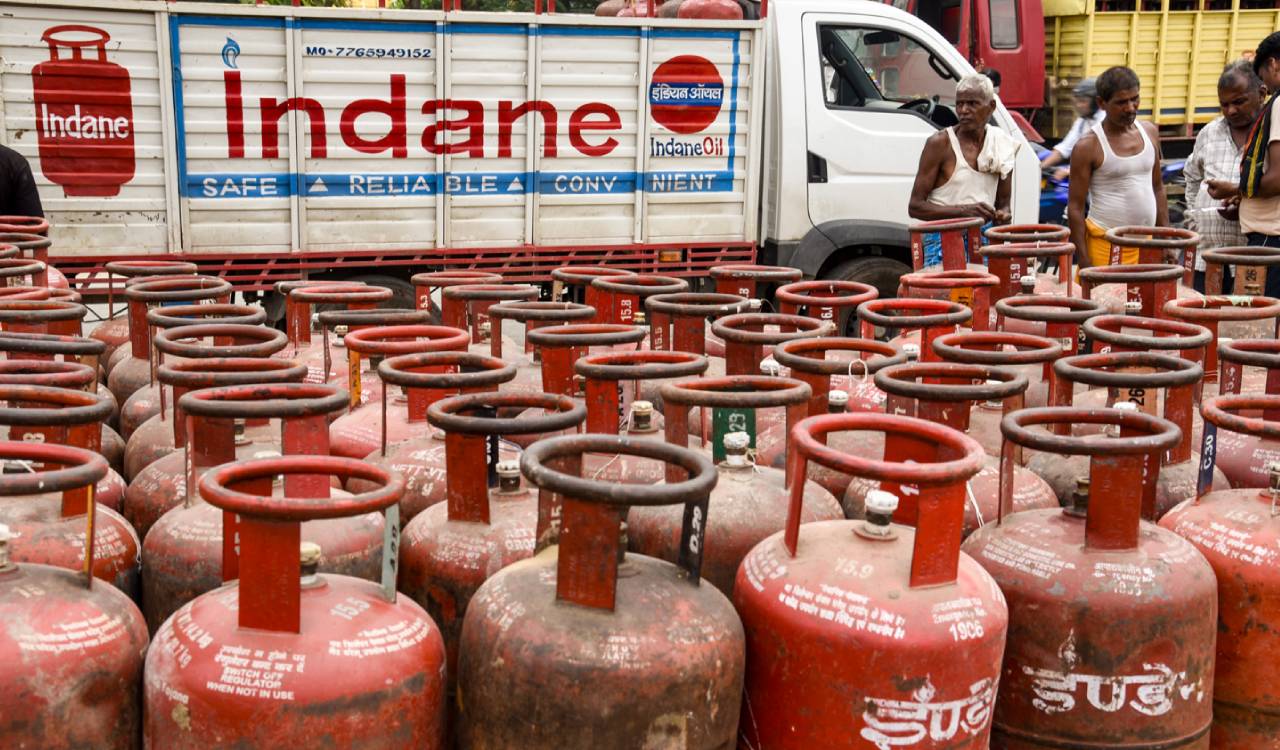
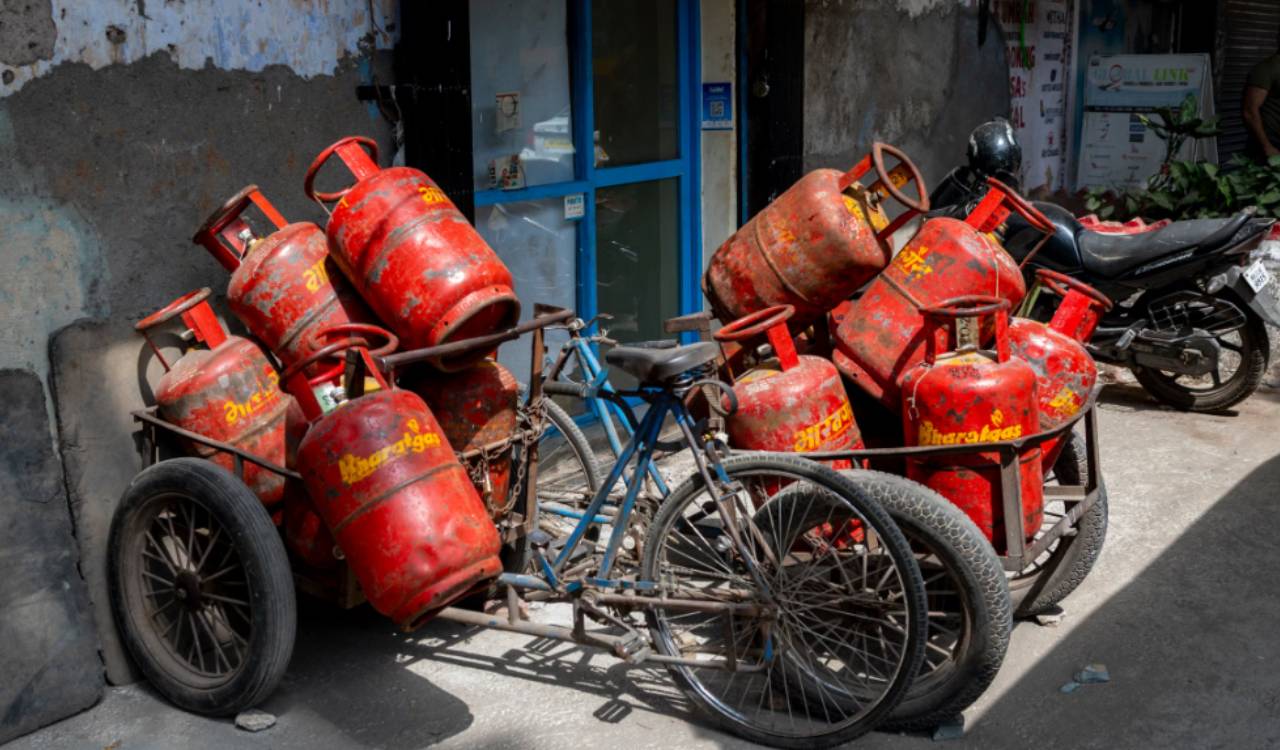
If approved, the hike would result in an increase of Rs 4 to Rs 5 per litre on petrol and diesel while LPG cylinder rates may increase by Rs 50.
This would also signal the first significant increase since 2022, when petrol and diesel prices rose by Rs 10 due to the Russia-Ukraine war.
The IMF has suggested that governments pass on the higher fuel prices to consumers to temper demand at a time when countries were facing supply constraints.
Reports suggest that the government is closely observing the situation in West Asia, and evaluating multiple options regarding fuel revisions.
Crude supply constraints have led Sri Lanka and Pakistan to shift to a 4 day work week to conserve fuel reserves, while South Korea has introduced fuel price caps to prevent consumers from price shocks.
Though the war had disputed India’s imports of over 40% crude oil, 90% LPG, and 65% natural gas, State owned fuel companies had managed to maintain uninterrupted fuel supplies for the past ten weeks.
Officials stated India’s expanding energy infrastructure was a key factor in making this possible.

Related News