
ICRISAT study shows transplantation of pigeonpea enhances productvity
ICRISAT research shows that transplanting pigeonpea instead of direct sowing can significantly improve yields, reduce climate risks and shorten crop duration. Field trials found stronger plants and better productivity under rainfed conditions, helping farmers narrow the existing yield gap sustainably
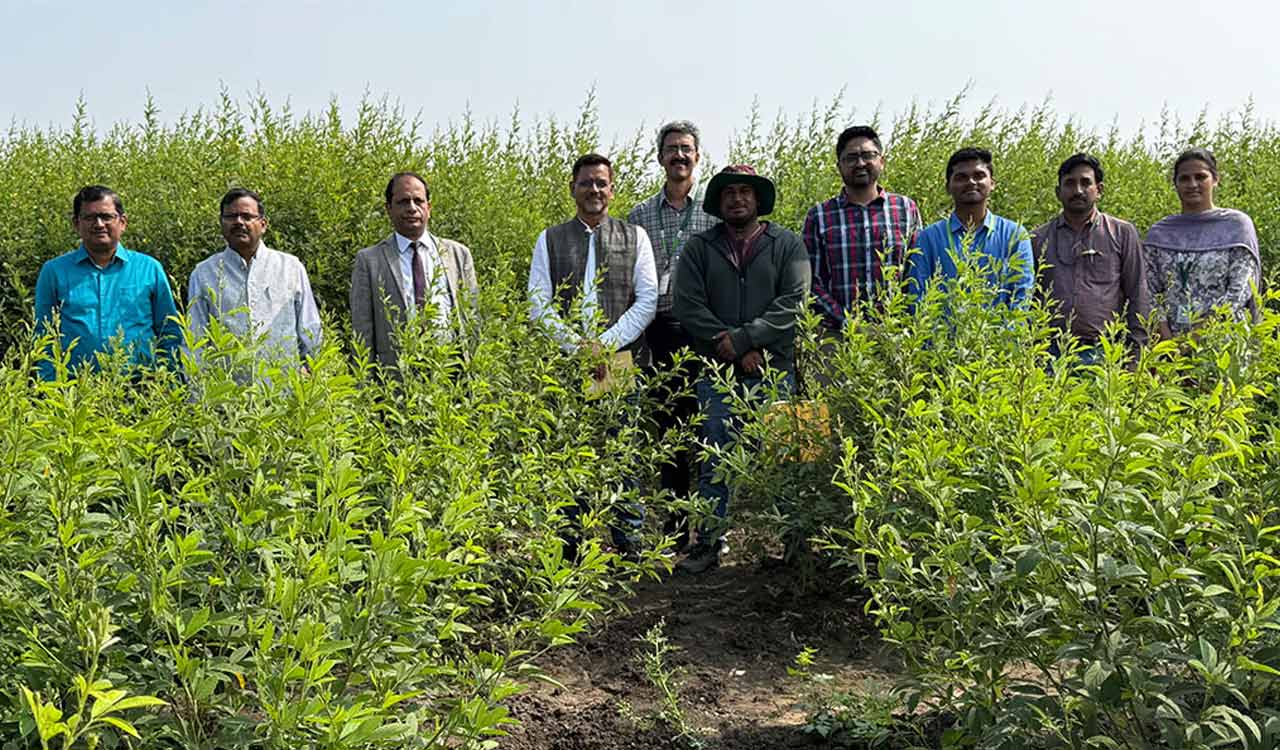


Sangareddy: New research by ICRISAT shows that transplanting pigeonpea can increase yields by nearly 20 percent, raising productivity from about 2.5 tonnes per hectare to 3 tonnes per hectare, while reducing climate risk and shortening crop duration. Instead of sowing seeds directly into the field, as traditionally followed across the globe, transplanting involves first raising pigeonpea plants in a small nursery and then moving healthy seedlings into the main field at the right time. This enables farmers to establish stronger plants earlier in the season, make better use of available soil moisture, and protect crops from early-season drought and uneven rainfall.
Pigeonpea is predominantly grown under rainfed conditions, yet productivity remains low, typically 0.8 to 0.9 tonnes per hectare, against a potential of 1.8 to 2.5 tonnes per hectare. This gap exists largely because current farming practices do not fully support the crop’s potential. ICRISAT’s research shows that transplanting pigeonpea can sustainably narrow this yield gap while strengthening climate resilience.
Emphasising the significance of the advance, ICRISAT Director General Dr Himanshu Pathak said transplanting is an age-old practice that has transformed irrigated crops such as rice. “Our research has now shown that it can do the same for crops like pigeonpea, unlocking the crop’s full commercial productivity potential under rainfed conditions,” he said.
Field trials at ICRISAT demonstrated a clear productivity advantage for transplanted crops, which consistently outperformed direct-seeded crops across varying climatic conditions. The gains are largely attributed to stronger and better-developed root systems.
