IMD warns of below-normal July rainfall as El Niño strengthens
The India Meteorological Department has forecast below-normal rainfall across the country in July as El Niño conditions strengthen. The weak monsoon could affect Kharif crops, water resources and hydropower generation, while above-normal temperatures are expected in most regions of India.
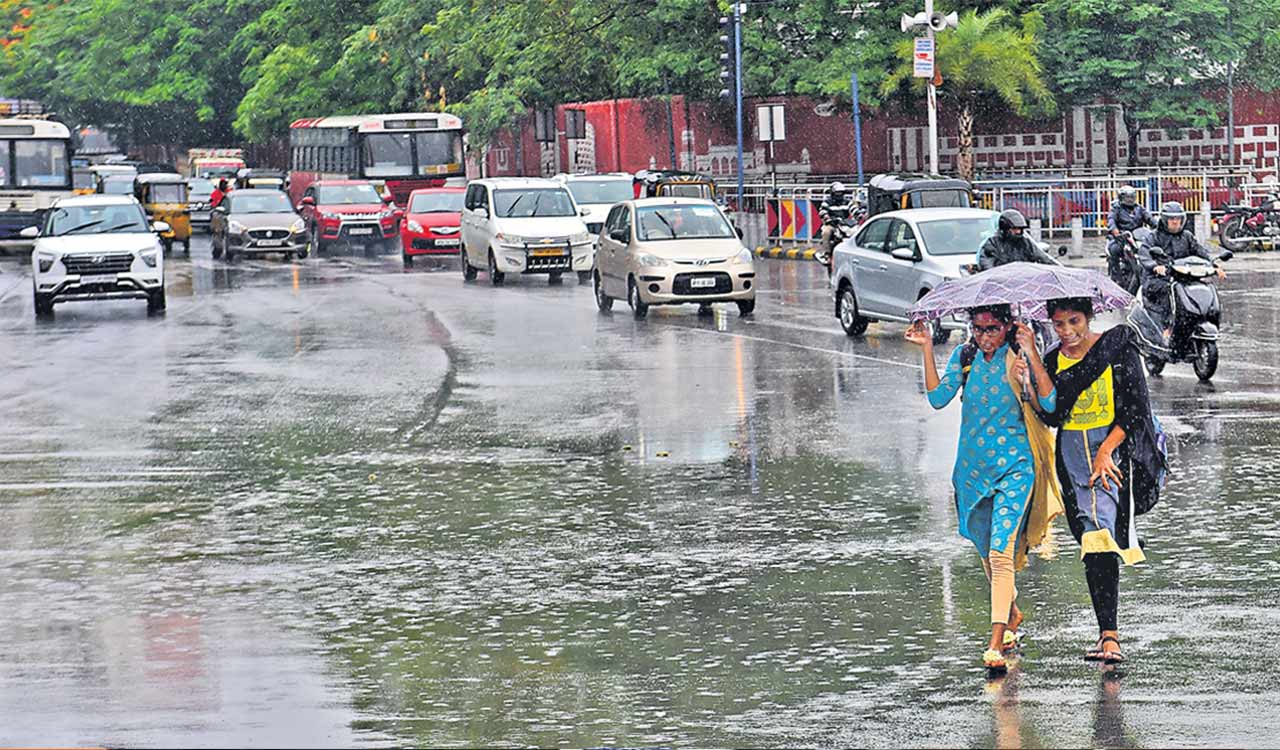


Hyderabad: The India Meteorological Department (IMD) has warned that strengthening El Niño conditions will push July rainfall below normal nationwide, threatening the critical make-or-break Kharif season.
In its monthly report, the IMD, New Delhi, said that the country is facing a significant rainfall deficit this July. Historically (between 1971 and 2020), the entire country averages about 280 mm of rain during the crucial month of July. However, this year’s rainfall is expected to drop below 94 per cent of that normal mark, creating a lot of strain on drinking water supplies and a tough start for agricultural operations.
In its report, the IMD, New Delhi, has made it clear that El Niño conditions are expected to intensify further as the Southwest monsoon season progresses.
“Simulations from the Monsoon Mission Climate Forecast System (MMCFS) and other global climate models indicate that these El Niño conditions are expected to intensify as the Southwest Monsoon season progresses,” IMD said.
Compounding the problem, the Indian Ocean Dipole (IOD), a phenomenon that can sometimes mitigate El Niño’s drying effects, is currently neutral and is projected to remain neutral throughout the monsoon season, offering no additional moisture boost to the subcontinent, IMD made it clear.
While the majority of India will grapple with dry conditions, the IMD said that there will be a few regional exceptions. Normal to above-normal rainfall is expected in isolated pockets of Northwest, Northeast, East-Central, and eastern peninsular regions of the country.
Along with the dry spell in July, the daytime temperatures are set to surge, IMD said, pointing out that monthly maximum (day) temperatures will remain above normal across most of the country.
“A few isolated areas in West-Central India may escape the heat. The nighttime (minimum) temperatures will stay above normal nationwide, except for select pockets in Central and Northeast India,” IMD report said.
In its report, the IMD highlighted heightened risks to agriculture, water resources, hydropower generation, and drinking water availability, alongside an increased threat of regional heat stress.
“To reduce potential impacts, timely planning and preparedness measures, including water conservation, efficient management of available water resources, and suitable agricultural contingency measures, may be considered by the concerned agencies,” the IMD stated.
The IMD will issue its next major update, covering the forecast for the second half of the season (August and September), toward the end of July.

Related News