Low-sodium salt substitutes emerge as healthier alternative amid rising hypertension concerns
Researchers and public health experts are promoting potassium-enriched low-sodium salt substitutes as healthier alternatives amid rising hypertension and cardiovascular disease risks in India. Studies indicate the substitutes can significantly reduce blood pressure without altering the taste of traditional Indian cuisine.
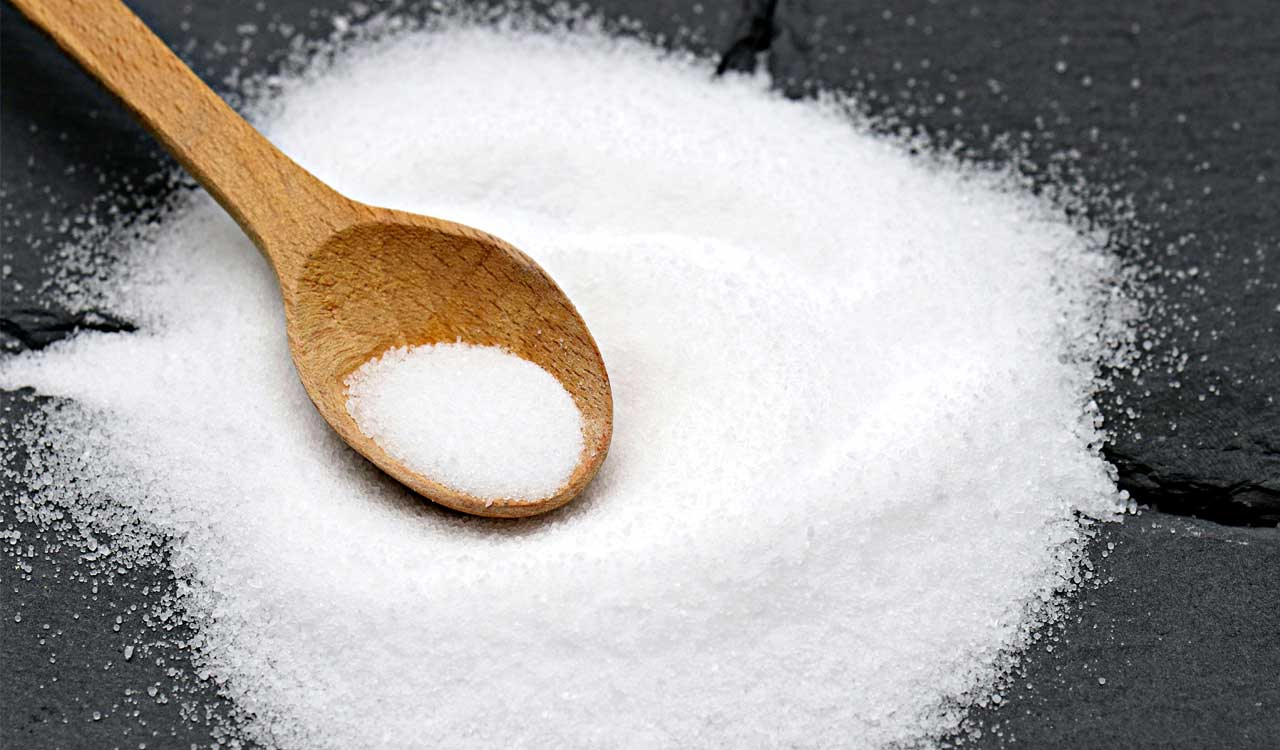


Hyderabad: With chronic overload of dietary Sodium in salt becoming a common phenomenon among Indians, which also is a primary reason for driving hypertension and cardiovascular diseases (CVD), researchers and public health experts are now pushing for safer alternatives for common salt into the Indian kitchens.
While the World Health Organization (WHO) and Hyderabad-based National Institute of Nutrition (NIN) explicitly cap safe daily salt intake at under 5 grams, which is equivalent to 2,000 milligrams of sodium, it is safe to say that the average Hyderabadi routinely consumes more than double that amount.
Recognising that simple advisories on reducing salt intake is receiving a lot of behavioural resistance from the general public, public health experts, especially food researchers from NIN and other top Indian research institutions have launched concerted efforts to explore alternatives like Potassium-Enriched Low-Sodium Salt Substitutes (LSSS), which tends to have far less health impact than Sodium based salts.
Recently, a novel study conducted by researchers from the George Institute for Global Health in Siddipet district, has indicated the impact of salt alternatives. The randomized controlled trial replaced standard table salt (100 percent sodium chloride) with a blend containing 70 percent sodium chloride and 30 percent potassium chloride in the daily diets of hypertensive patients.
Within three months, the study said that participants recorded an average drop of 4.6 mmHg in systolic blood pressure. The participants in the trial also reported no perceptible difference in taste or palatability, indicating that the new blend could seamlessly integrate into traditional, spice-heavy regional cooking without altering the flavour.
On their part, the researchers at NIN have launched an initiative to spread awareness on the effectiveness of low-sodium salt substitutes, in reducing blood pressure and heart diseases.
A concerted effort has been also launched by researchers and policy makers to explore policy and find ways and means to promote low-sodium salt substitutes as a part of India’s sodium reduction strategies. Efforts are also on to identify opportunities to integrate salt substitutes in public health programmes and food-based initiatives like mid-day meals schemes.
Researchers have pointed out that in India, where a significant proportion of dietary salt/sodium is added during cooking or at the table, potassium-enriched low-sodium salt substitutes have the potential to support the national goal of achieving a 30 percent population-level salt/sodium reduction.
· Efforts are on to remove Sodium from salt by exploring for alternatives
· Potassium-Enriched Low-Sodium Salt Substitute (LSSS) is fast emerging as an ideal alternative
· Blood pressure among people who consumed LSSS instead of sodium based salt decreased significantly
· Potassium-based salt does not change taste or flavour of the Indian food
· Evidence shows low sodium and high potassium-based salts reduce risks of blood pressure and cardiovascular diseases, including stroke and heart attack.
· Challenge now is to convert the promise into a practice through awareness

Related News